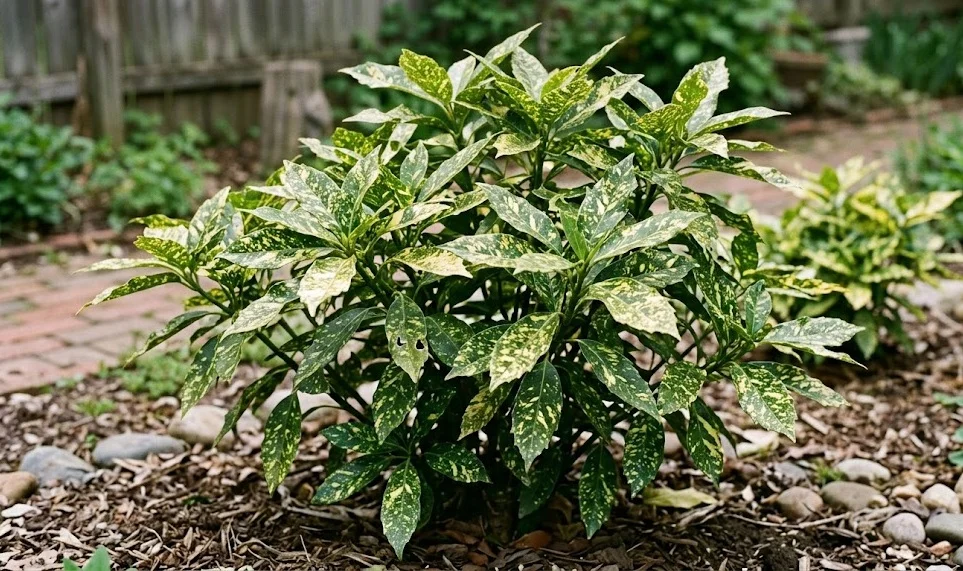

Successful establishment of the Japanese laurel begins with a meticulous planting process that respects its biological requirements. This evergreen shrub is highly valued for its adaptability, but its initial transition into the soil is a critical phase. One must consider the timing, site preparation, and post-planting care to ensure the specimen thrives for decades. A well-planted laurel serves as a permanent anchor in the landscape, providing year-round color and structure.
The ideal time for planting is during the dormant or semi-dormant periods of early spring or late autumn. During these windows, the cooler temperatures and increased rainfall facilitate root development without the stress of summer heat. Planting in the spring allows the roots to establish themselves before the intense growth of the summer months. Conversely, autumn planting takes advantage of the soil’s residual warmth, which encourages root activity even as the air cools.
Site selection is the most influential factor in the long-term health of the Japanese laurel. It is essential to find a location that offers protection from the direct, scorching rays of the midday sun. Dappled shade under the canopy of larger trees or the shadow of a north-facing wall is often perfect. One should also consider the wind patterns, as cold, drying winds can damage the broad evergreen leaves.
Soil preparation should be thorough and extend well beyond the size of the initial planting hole. Digging a hole that is twice as wide as the root ball allows the new roots to expand into loosened soil easily. Incorporating organic matter, such as composted bark or leaf mold, improves both the fertility and the texture of the earth. This preparation ensures that the plant has immediate access to the oxygen and moisture it needs to recover from transplant shock.
Technical steps for successful planting
Before placing the plant in the ground, it is beneficial to soak the root ball in a bucket of water. This ensures that the core of the roots is fully hydrated and ready for the transition. If the plant is pot-bound, one should gently loosen the outer roots to encourage them to grow outward. Avoid cutting the main roots, as this can create entry points for pathogens and delay establishment.
More articles on this topic
The depth at which the laurel is planted is a vital technical detail that should not be overlooked. The top of the root ball must be level with the surrounding soil surface, as planting too deep can lead to stem rot. Conversely, planting too shallow can cause the roots to dry out and leave the plant unstable. Firm the soil gently around the base to remove large air pockets without compacting the ground too tightly.
Once the plant is in position, a thorough watering is required to settle the soil around the roots. This initial irrigation should be deep and slow to ensure the moisture reaches the bottom of the planting hole. Creating a small soil berm around the edge of the planting area can help direct water toward the root zone. This simple earthwork is particularly useful during the first few months when the plant is most vulnerable.
Applying a layer of mulch immediately after planting provides several benefits for the young shrub. A three-inch layer of organic material helps to retain soil moisture and suppress the growth of weeds. Care should be taken to keep the mulch a few inches away from the actual stem of the plant to prevent moisture-related bark issues. This protective layer also insulates the soil, providing a more stable environment for the developing root system.
Propagation through semi-ripe cuttings
Propagation by cuttings is the most effective way to produce new plants that are identical to the parent. Semi-ripe cuttings are typically taken in late summer or early autumn when the new growth has begun to harden. These cuttings should be about six inches long and taken from healthy, disease-free stems. Using a sharp, sterilized knife or pruning shears ensures a clean cut that heals quickly.
More articles on this topic
The preparation of the cutting involves removing the lower leaves to expose the nodes where roots will form. It is often helpful to dip the base of the cutting into a rooting hormone powder to stimulate faster development. The cuttings should then be inserted into a well-draining propagation mix, such as a blend of peat and perlite. Maintaining a humid environment by covering the tray with a clear plastic dome can prevent the foliage from wilting.
Rooting typically occurs within six to eight weeks, depending on the ambient temperature and humidity. One can check for progress by very gently tugging on the cuttings to feel for resistance from new roots. Once a strong root system has formed, the young plants can be moved into individual pots with standard potting soil. It is important to keep these young specimens in a sheltered, shady spot as they continue to mature.
Overwintering the new cuttings in a frost-free environment is essential for their survival during the first year. A cold frame or an unheated greenhouse provides enough protection from the worst of the elements. Gradually acclimating them to outdoor conditions in the following spring will prepare them for permanent planting. This method allows the gardener to cost-effectively increase their collection of these beautiful variegated shrubs.
Alternative propagation and young plant care
While cuttings are the preferred method, the Japanese laurel can also be propagated through layering. This technique involves bending a flexible, low-growing branch down to the ground and wounding a small section of the bark. The wounded part is then buried in the soil and held in place with a heavy stone or a landscape staple. Over several months, roots will form at the site of the wound while the branch is still attached to the parent.
Once the layered branch has developed a substantial root system of its own, it can be severed from the main plant. This usually takes a full growing season to ensure the new plant is self-sufficient enough to survive the separation. Layering is a very reliable method because the offspring continues to receive nutrients and water from the parent during the rooting process. It is an excellent choice for home gardeners who only need a few additional plants.
Seed propagation is possible but much less common because the resulting plants may not retain the variegation of the parent. The seeds must be extracted from the ripe red berries and cleaned thoroughly of any pulp. They often require a period of cold stratification to break dormancy before they will germinate in the spring. This process is slow, and it can take several years for a seedling to reach a size suitable for the landscape.
Caring for young plants during their first two years in the garden requires extra attention and patience. They are more susceptible to drought and extreme temperatures than established specimens with deep root systems. Regular watering and the maintenance of a thick mulch layer are the best ways to support their early growth. With proper care during this formative period, the Japanese laurel will grow into a robust and stunning feature of the garden.