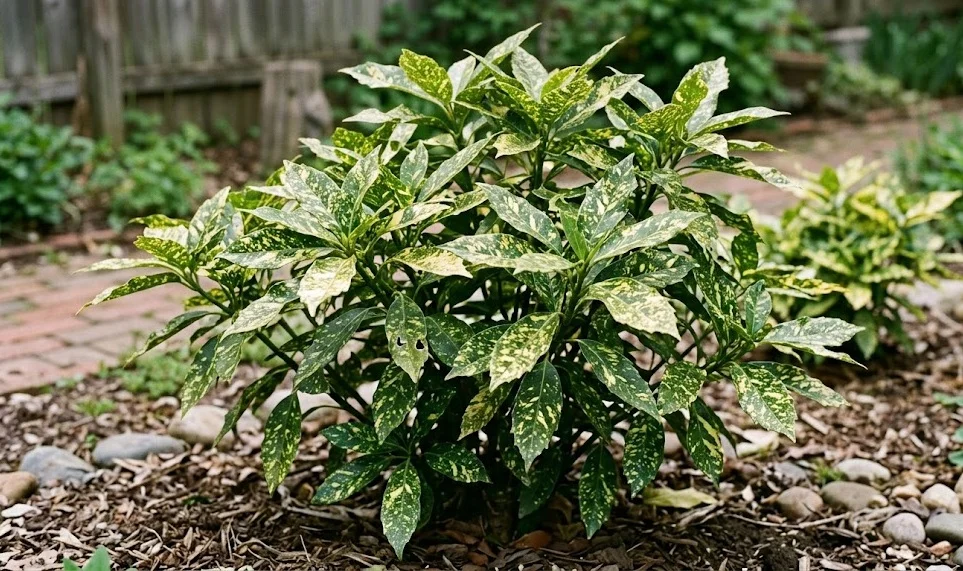

The Japanese laurel is famously known as one of the most shade-tolerant evergreen shrubs in the horticultural world. This characteristic makes it an invaluable asset for those difficult corners of the garden where other plants struggle to survive. However, understanding the nuances of its light requirements is essential for maintaining the vibrant yellow variegation of the ‘Variegata’ cultivar. Finding the perfect balance between too much sun and too much shade is the secret to a spectacular specimen.
In its native woodland habitats of East Asia, this plant grows under the dense canopy of larger trees. This natural environment provides a constant supply of dappled, indirect light that protects the leaves from direct solar radiation. Recreating these conditions in a garden setting is the primary goal for any successful planting project. When the light levels are just right, the leaves appear glossy, thick, and brightly spotted with yellow.
Direct afternoon sun is the primary enemy of the Japanese laurel, particularly during the peak of summer. The broad, variegated leaves lack the protective pigments found in many sun-loving species and can burn easily. This damage appears as bleached or brown patches that can ruin the plant’s appearance for an entire season. If your garden only has sunny spots, providing a trellis or planting it on the north side of a building can offer the necessary protection.
Deep shade is tolerated by the Japanese laurel, but it may come with some trade-offs in terms of growth and appearance. While the plant will survive in very dark corners, its growth rate will be significantly slower than in brighter spots. The yellow variegation may also become less pronounced, as the plant produces more chlorophyll to compensate for the lower light levels. A site with “bright shade” or filtered light is usually the best compromise for achieving both health and beauty.
Evaluating your garden’s light profile
Before planting, it is highly recommended to observe your garden’s light patterns throughout a full day. A spot that seems shady in the morning might be blasted by intense sun during the heat of the afternoon. Note how the shadows move and how the surrounding trees or structures influence the light quality. This simple observation period can save you the trouble of moving a stressed plant later on.
More articles on this topic
Light quality also changes significantly with the seasons as the sun’s path across the sky shifts. A location that is perfectly shaded in the spring might become too sunny in the height of the summer when the sun is higher. Conversely, deciduous trees that provide shade in the summer may leave the plant exposed during the winter months. Understanding these seasonal dynamics is a hallmark of professional garden planning and maintenance.
The reflection of light from nearby surfaces can also impact the Japanese laurel’s health. Light-colored walls or large windows can bounce significant amounts of solar energy onto a plant, even if it is technically in the shade. This “indirect” sun can be surprisingly intense and can lead to leaf scorch just as easily as direct rays. Always consider the entire environment surrounding the plant to ensure it is not being hit by reflected heat.
If you notice your plant’s leaves turning a solid dark green, it may be a sign that the light levels are too low. While the plant is still healthy, it is prioritizing energy production over the aesthetic of variegation. If you prefer the spotted look, you might consider lightly thinning the canopy of overhanging trees to let in more light. This subtle adjustment can often bring back the bright yellow patterns without exposing the plant to dangerous direct sun.
Managing light for indoor specimens
Growing the Japanese laurel as a houseplant requires a different approach to light management than outdoor cultivation. Indoor light is naturally much weaker than outdoor light, even when placed near a window. A position near a north-facing window is often ideal, as it provides consistent but gentle light throughout the day. East-facing windows can also work well, provided the plant is protected from the strongest morning rays.
More articles on this topic
Avoid placing the laurel in south-facing windows unless they are filtered by sheer curtains or are several feet away from the glass. The heat and light intensity of a southern exposure can quickly stress the plant and dry out its soil. Artificial lighting, such as LED grow lights, can be used to supplement natural light in darker rooms. These lights should be positioned to mimic the dappled effect of a forest canopy for the best results.
Rotation is a simple but effective technique for ensuring that all sides of an indoor plant receive equal light. Every week or so, give the pot a quarter turn to prevent the plant from leaning toward the light source. This encourages a more balanced and symmetrical growth habit, which is essential for a decorative indoor specimen. It also ensures that the variegation remains consistent across the entire canopy of the shrub.
Dust accumulation on the leaves can significantly reduce the amount of light the plant is able to absorb. In an indoor environment, a layer of fine dust can build up quite quickly on the broad leaf surfaces. Wiping the leaves regularly with a soft, damp cloth keeps the “solar panels” of the plant working at peak efficiency. This small task not only improves the plant’s health but also keeps it looking its best as a piece of living decor.
Expert light management techniques
Professional landscapers often use “companion planting” to create the perfect light environment for the Japanese laurel. Planting taller, more sun-hardy shrubs nearby can provide a natural shield against the afternoon sun. This layered approach to planting creates a microclimate that is more stable and hospitable for shade-loving species. It also mimics the natural complexity of a forest, which often results in a more resilient garden.
When moving a plant from a shady nursery to a brighter garden spot, a period of acclimation is absolutely necessary. Suddenly exposing a “soft” plant to higher light levels will almost certainly result in severe leaf damage. Start by placing the plant in its new location for just an hour or two a day, gradually increasing the time over two weeks. This slow transition allows the leaf tissues to harden and adapt to the change in energy.
The use of shade cloth is a practical solution for protecting valuable specimens during extreme heatwaves or if a shade-providing tree is lost. These fabrics are available in various densities and can be easily draped over a simple frame to provide temporary relief. While not a permanent aesthetic solution, they can be a lifesaver during a record-breaking summer. This proactive measure is often used in professional nurseries to maintain the quality of their stock.
Ultimately, the Japanese laurel is a flexible plant that will tell you what it needs through its appearance. A happy plant will have vibrant colors, firm leaves, and steady growth that fills its space in the garden. By paying close attention to its light requirements, you can ensure that this evergreen gem remains a highlight of your landscape. Your role as a gardener is to be the steward of its environment, ensuring it has everything it needs to shine.