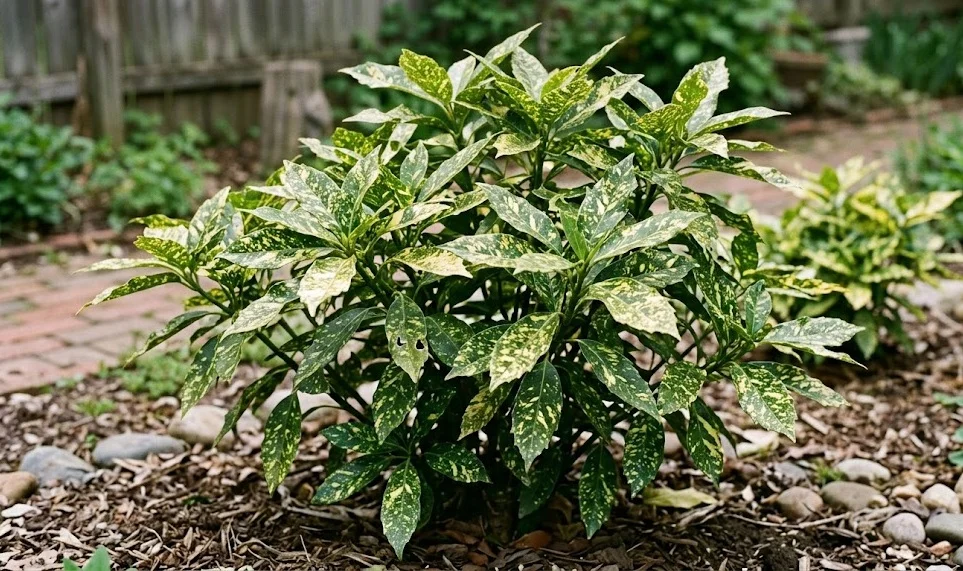

Maintaining a healthy Japanese laurel requires a nuanced understanding of its specific ecological preferences and growth habits. This evergreen shrub is celebrated for its striking variegated foliage and its ability to thrive in challenging garden corners. To ensure the plant reaches its full potential, one must provide a stable environment that mimics its native woodland habitat. Consistency in care is the fundamental pillar for achieving a vibrant and resilient specimen.
The foundational aspect of success involves selecting the right location within the garden landscape. This shrub prefers a spot that offers protection from harsh afternoon sun and drying winds. One should observe the garden’s microclimate throughout the day before committing to a permanent site. If the plant is placed in too much direct light, the beautiful yellow variegation may scorch or turn brown.
Soil preparation plays a critical role in the long-term health of the root system. The ground should be rich in organic matter and possess excellent drainage capabilities to prevent root rot. Incorporating well-rotted compost or leaf mold into the planting hole enhances the soil structure significantly. A slightly acidic to neutral soil pH is generally considered the ideal range for this species.
Establishing a routine for monitoring growth helps in detecting early signs of environmental stress. While the Japanese laurel is known for its durability, it still benefits from regular observation during the growing season. New growth should appear robust and maintain the characteristic spotted patterns that define the cultivar. Any sudden leaf drop or discoloration usually indicates an issue with either water levels or temperature fluctuations.
Optimizing the growing environment
Creating a stable environment involves more than just selecting the right patch of ground. One must consider the surrounding vegetation and how it interacts with the laurel over time. Larger trees can provide the necessary dappled shade, but they also compete for moisture and nutrients in the soil. Balancing these factors requires a thoughtful approach to garden design and maintenance.
More articles on this topic
Temperature stability is another factor that significantly influences the appearance of the foliage. This plant prefers moderate temperatures and can struggle during extreme summer heatwaves without adequate protection. Providing a thick layer of organic mulch helps to insulate the roots and maintain a cooler soil temperature. During periods of intense heat, increasing the local humidity through light misting can be highly beneficial.
Air circulation is often overlooked but remains vital for preventing various fungal infections. While the shrub enjoys a sheltered spot, it should not be crowded by other plants to the point where air becomes stagnant. Proper spacing allows the leaves to dry quickly after rainfall or morning dew. This proactive measure reduces the likelihood of leaf spot diseases taking hold in the dense foliage.
Seasonal adjustments are necessary to align care routines with the plant’s natural dormancy and growth cycles. In the spring, focus should shift toward supporting new shoots and preparing for the active season. Summer requires a focus on hydration and heat management to preserve the integrity of the leaves. As autumn approaches, reducing interventions allows the plant to naturally harden off before the winter chill sets in.
Soil management and nutrition
The complexity of the soil ecosystem directly impacts the availability of essential micronutrients for the laurel. Healthy soil is teeming with beneficial microorganisms that break down organic matter into usable forms. Adding a top dressing of organic compost every spring replenishes these vital resources naturally. This method avoids the sudden spikes in nutrient levels that can sometimes occur with synthetic products.
More articles on this topic
Drainage is perhaps the most critical physical property of the soil for this particular shrub. If the roots sit in waterlogged earth for extended periods, they will quickly succumb to anaerobic conditions. One can test drainage by digging a small hole and filling it with water to see how quickly it disappears. If the water lingers for hours, the site may need modification or a different plant selection.
The physical texture of the soil should be loose enough to allow for easy root penetration and oxygen exchange. Heavy clay soils can be improved by adding coarse sand or grit along with organic amendments. This process increases the pore space within the ground, which is essential for healthy respiration at the root level. Conversely, very sandy soils benefit from added humus to improve their water-retaining capacity.
Nutritional deficiencies often manifest as changes in leaf color or stunted growth patterns. While the ‘Variegata’ cultivar has natural yellow spots, an overall yellowing of the green sections might suggest a lack of nitrogen. Iron or magnesium deficiencies can also occur if the soil pH is not within the optimal range for uptake. Regular soil testing every few years provides a clear roadmap for any necessary chemical or organic corrections.
Monitoring leaf health and aesthetics
The variegated leaves are the primary attraction of this plant, making their health a top priority for gardeners. Each leaf serves as a miniature solar panel, and any damage reduces the plant’s overall energy production. Dust can accumulate on the broad surfaces, especially when the plant is grown in sheltered or indoor environments. Gently wiping the leaves with a damp cloth or spraying them with water keeps the stomata clear.
Sunburn is a common issue that manifests as large, dry brown patches on the most exposed leaves. This usually happens when a plant is moved from a shady spot to a brighter one without proper acclimation. If damage occurs, it is best to leave the foliage until new growth covers the affected areas. Shifting the plant or providing temporary shade can prevent further aesthetic degradation during peak summer months.
The density of the foliage is a good indicator of the plant’s overall vigor and success. A sparse appearance might suggest that the plant is not receiving enough nutrients or is struggling with light levels. Healthy specimens should have a lush, full look with leaves appearing at regular intervals along the stems. Encouraging branch development through light pruning can help maintain a compact and attractive form.
Berries provide an additional layer of visual interest, though they only appear on female plants when a male is nearby. These bright red fruits contrast beautifully against the yellow-spotted green leaves during the winter months. While they are not edible for humans, they are highly decorative and can persist for a long time. Protecting these berries from harsh winds ensures they remain a highlight of the winter garden.
Long term sustainability in the landscape
Integrating the Japanese laurel into a sustainable garden design requires planning for its eventual mature size. Many gardeners underestimate how large these shrubs can grow when they are happy in their environment. Providing enough space from the beginning prevents the need for drastic corrective pruning later in the plant’s life. This foresight allows the shrub to develop its natural, graceful habit without interference.
Mulching is a cornerstone of sustainable care, as it reduces the need for frequent watering and weeding. A layer of wood chips or bark mulch suppresses the growth of competitive plants that would steal nutrients. As the mulch decomposes, it slowly enriches the soil with carbon and other beneficial elements. Replacing this layer annually maintains its effectiveness and keeps the garden bed looking tidy.
Water conservation is an increasingly important consideration for modern agricultural and gardening practices. Once established, the Japanese laurel is remarkably drought-tolerant compared to many other evergreen shrubs. By encouraging deep root growth through infrequent but thorough watering, gardeners can reduce their total water consumption. This approach creates a more resilient plant that can withstand occasional periods of neglect.
The role of this plant in the local ecosystem should also be considered by the thoughtful gardener. While it is an exotic species in many regions, it provides valuable cover and nesting sites for birds. Its evergreen nature offers a permanent structure that benefits the garden’s visual appeal and its residents year-round. Choosing such durable and long-lived plants contributes to a stable and mature garden environment.
Indoor care considerations
Growing this shrub indoors presents a unique set of challenges that differ from outdoor cultivation. The primary concern is often the lower light levels and the lack of natural humidity found in modern homes. Placing the container near a north-facing window usually provides the consistent, indirect light that the plant prefers. Avoid locations near heating vents or air conditioners, as these can cause rapid leaf desiccation.
Potting media for indoor specimens should be even more porous than that used in the garden. Since containers have limited volume, the soil can become compacted and stale much faster. Using a high-quality potting mix with added perlite or vermiculite ensures the roots have access to air. Repotting every two to three years allows for the refreshing of the soil and the assessment of root health.
Managing moisture levels indoors requires a delicate balance to avoid overwatering the container. The top inch of soil should be allowed to dry out before the next round of hydration is applied. Using a saucer underneath the pot is helpful, but one must never let the plant sit in standing water. Excessive moisture in an indoor setting is the leading cause of fungal gnats and root-related diseases.
Transitioning a laurel from indoors to outdoors should be done gradually to prevent environmental shock. Start by placing the pot in a fully shaded, protected area for a few hours each day. Slowly increase the exposure to outdoor conditions over a period of two weeks until the plant is acclimated. This hardening-off process is essential for preserving the delicate variegated leaves from the intensity of the open sky.
Expert tips for professional results
Experienced horticulturists often use specific techniques to enhance the variegation and growth of their laurels. One such method involves the strategic removal of any entirely green shoots that may occasionally appear. These “reversions” are more vigorous than the variegated parts and can eventually take over the plant if not removed. Cutting them back to the point of origin maintains the desired aesthetic and genetic consistency.
Winter protection in colder climates can make the difference between a thriving plant and a struggling one. Even though the laurel is relatively hardy, extreme frost can damage the tender tips of the branches. Using burlap wraps or temporary windbreaks can shield the plant from the most severe winter elements. This is especially important for young specimens that have not yet developed a robust wood structure.
The use of mycorrhizal fungi during planting is a professional secret for establishing healthy root systems quickly. These beneficial fungi form a symbiotic relationship with the roots, significantly increasing their surface area for water and nutrient absorption. Many commercial products are now available that allow gardeners to easily introduce these organisms into the soil. This small investment pays dividends in the form of faster growth and increased stress resistance.
Finally, documentation is an underrated tool for the serious gardener or estate manager. Keeping a log of fertilization dates, pruning events, and any pest observations helps in identifying long-term trends. Understanding how your specific plant reacts to the unique conditions of your garden is the ultimate key to success. This personalized knowledge allows for the refinement of care routines that result in truly spectacular specimens.