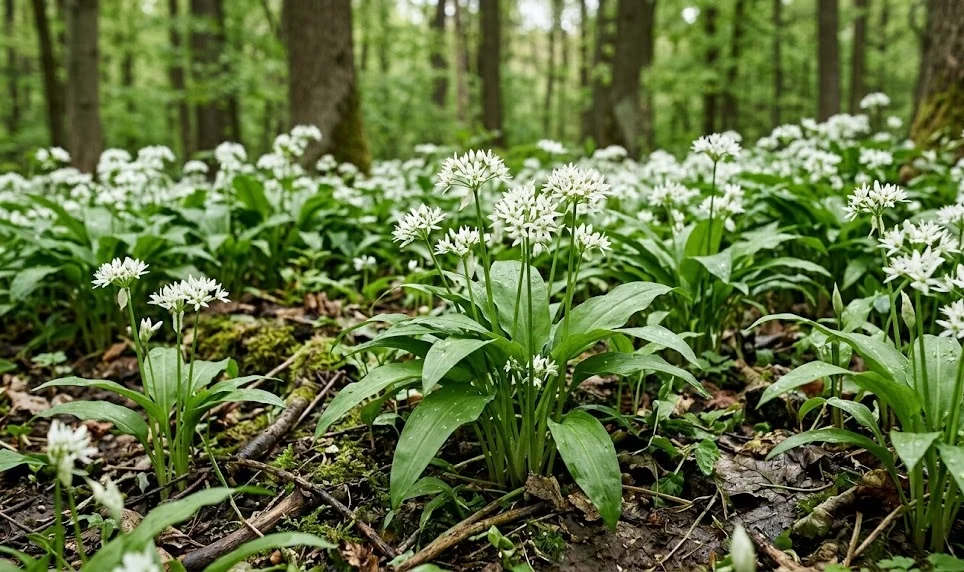

Proper hydration and nutrient management are the twin pillars of a successful wild garlic cultivation strategy in a domestic setting. You must understand that this plant has a very short window of active growth, which makes the timing of water and food delivery critical. Because wild garlic is essentially a spring ephemeral, its needs are intense but concentrated into a few months of the year. This professional guide details how to balance these requirements to produce the highest quality aromatic leaves and robust bulbs.
Hydration basics for woodland plants
Wild garlic is a moisture-loving species that relies on a consistent supply of water to develop its lush, broad leaves. You should aim to keep the soil at a constant level of dampness throughout the entire growing season in early spring. Unlike many other garden plants, wild garlic does not have a deep root system, making it very sensitive to surface drying. If the top few centimeters of soil become dry, the plant will immediately show signs of stress and may begin to wilt. Maintaining this surface moisture is the most important daily task for any gardener growing this species.
The frequency of watering depends heavily on your local weather conditions and the type of soil in your garden. You should monitor the soil moisture daily during the peak growth months of March and April, especially if rainfall is scarce. In a natural forest, the leaf litter acts as a sponge, holding onto moisture and releasing it slowly to the roots below. You can mimic this effect by using organic mulches that prevent the sun from evaporating water directly from the soil surface. This natural approach to hydration is much more effective than sporadic, heavy watering sessions.
Watering techniques should focus on delivering moisture directly to the root zone without soaking the foliage unnecessarily. You should use a watering can with a fine rose or a soaker hose that allows the water to seep slowly into the ground. Excessively wet leaves can sometimes encourage the development of fungal pathogens, particularly in the cool and humid conditions of spring. By keeping the water at ground level, you ensure that the bulbs get the hydration they need while the leaves remain dry and healthy. This precision in application is a hallmark of professional horticultural practice.
Observing the plant’s reaction to water is the best way to determine if your irrigation schedule is meeting its needs. You should look for turgid, upright leaves that have a vibrant green color and a healthy sheen on the surface. If you notice the leaf tips turning yellow or the stems drooping, it is often a sign that the soil is either too dry or dangerously waterlogged. Finding the “sweet spot” of moisture—damp but not saturated—is an art that you will master over several seasons. Consistent hydration is the fuel that allows wild garlic to complete its rapid lifecycle with maximum efficiency.
More articles on this topic
Seasonal water requirements and shifts
The water needs of wild garlic change dramatically as the plant moves through its various stages of growth and dormancy. In late winter, as the first shoots begin to break through the soil, the demand for water is relatively low but must be steady. You should ensure the ground is not frozen or bone-dry, as this can prevent the delicate shoots from emerging properly. Providing a little extra moisture during a dry February can give your patch a head start on the season. This early intervention ensures that the plants have the resources they need from the very first day.
During the peak of spring, when leaf production and flowering occur, the plant’s thirst is at its absolute highest point. You should be prepared to water more frequently during this phase, especially if your garden is exposed to drying winds. The rapid expansion of the foliage requires a significant amount of internal water pressure to maintain the structure of the leaves. A lack of water during this critical window will result in smaller leaves and a much shorter harvest season. This is the period where your attention to hydration will have the most significant impact on the final yield.
As the flowers fade and the seeds begin to set in late spring, you can slowly begin to reduce the frequency of watering. You should not cut off the water completely, as the bulbs are still busy storing energy for the following year. However, the plant is naturally preparing for dormancy, and its metabolic processes are starting to slow down. Allowing the soil to dry out slightly during this transition helps the plant move into its resting phase naturally. This gradual shift in care reflects the natural drying out of the forest floor as the tree canopy closes overhead.
During the summer and autumn dormancy, wild garlic requires very little intervention, but the soil should never become completely parched. You should ensure that the area stays cool and receives occasional moisture to keep the dormant bulbs healthy and plump. If you live in a region with extremely hot and dry summers, a light watering once a month can prevent the bulbs from desiccating entirely. Most of the time, natural rainfall is sufficient during this period, provided the area is well-mulched and protected from direct sun. Respecting this quiet phase is just as important for long-term health as the active watering of spring.
More articles on this topic
Organic fertilization and soil nutrition
Feeding wild garlic is less about synthetic chemicals and more about building a rich, living soil that provides continuous nutrition. You should focus on adding high-quality organic matter, such as well-rotted leaf mold or garden compost, to the surface each year. This mimics the natural cycle of a forest, where falling leaves decompose and return nutrients to the earth. These organic materials release their nutrients slowly, providing a steady supply of food that matches the plant’s growth rate perfectly. A soil rich in humus is the best “fertilizer” you can provide for a long-lived garlic colony.
If you feel your soil needs an extra boost, you should apply a light dressing of balanced organic fertilizer in the late winter. You should look for products with a balanced N-P-K ratio that support both foliage growth and bulb development. Avoid high-nitrogen fertilizers that can lead to rapid, weak growth that is more susceptible to pests and diseases. The goal is to support the plant’s natural vigor rather than forcing it into unnatural bursts of activity. Applying these amendments early in the year allows them to break down and become available just as the shoots emerge.
Liquid seaweed or compost tea can be used as a gentle supplemental feed during the active growing season in the spring. You should apply these liquids to the soil around the base of the plants every two to three weeks if the growth seems sluggish. These natural fertilizers provide a wide range of micronutrients and growth stimulants that can enhance the overall health of the patch. They are easily absorbed by the shallow root system and provide an immediate benefit without the risk of chemical burns. This “soft” approach to fertilization is much better suited to the delicate nature of woodland species.
Monitoring the color and size of the leaves will tell you if your fertilization strategy is working effectively. You should look for deep green leaves with a strong, characteristic scent, which indicates a high concentration of essential oils and nutrients. Pale or stunted leaves are often a sign of nutrient deficiency, particularly a lack of nitrogen or essential minerals. If the leaves are excessively large but lack flavor, you might be over-fertilizing, which can dilute the aromatic compounds. Finding the right balance of nutrition ensures that your wild garlic is not only productive but also of the highest culinary quality.
Maintaining the nutrient balance
A healthy nutrient balance is essential for the long-term sustainability of a wild garlic patch that is harvested regularly. You should remember that every leaf you pick removes a small amount of nutrients from the garden’s closed-loop system. To compensate for this, you must consistently return organic matter to the soil to prevent it from becoming “tired” or depleted. This proactive management prevents the slow decline in vigor that can happen to older patches over several decades. Think of your soil as a bank account where you must make regular deposits to cover your annual withdrawals.
Soil structure is just as important as the chemical nutrients themselves for effective feeding and growth. You should ensure the soil remains loose and well-aerated, as this allows beneficial microbes to thrive and break down organic matter. If the soil becomes compacted, the roots will struggle to access the nutrients, no matter how much fertilizer you apply. Avoiding walking on the planting beds and keeping them mulched are the best ways to preserve a healthy soil structure. A healthy “crumb” to the soil is a visual indicator that the nutrients are being managed correctly.
The role of micronutrients should not be underestimated when growing wild garlic for its health benefits and flavor. You should ensure your soil has access to minerals like sulfur, which is essential for the production of the plant’s characteristic compounds. Natural mineral dusts or volcanic rock flour can be added to the soil once every few years to replenish these trace elements. These additions help the plant build a robust immune system and produce more of the beneficial sulfur-based molecules. A diverse range of nutrients leads to a more complex and satisfying flavor profile in the final harvest.
Finally, you should be aware of the impact that neighboring plants can have on the nutrient availability in your garlic patch. You should avoid planting heavy feeders, like large shrubs or aggressive perennials, too close to your wild garlic colony. These competitors can quickly exhaust the soil and leave the garlic struggling for the basics of survival. Maintaining a dedicated zone for your wild garlic, or choosing compatible woodland companions, is a key part of nutrient management. By controlling the competition, you ensure that the resources you provide are used by the plants you intended to feed.
Avoiding waterlogging and drainage issues
While wild garlic loves moisture, it is extremely sensitive to waterlogged conditions that can lead to bulb rot. You should ensure that your soil has enough internal drainage to allow excess water to move away from the bulb zone quickly. In heavy clay soils, this often requires the addition of grit or the creation of slightly raised planting areas to improve gravity drainage. If you see water standing on the surface for more than an hour after rain, your drainage is likely insufficient. Correcting these issues is a fundamental part of professional garden preparation and maintenance.
Fungal diseases are the primary risk associated with poor drainage and excessive moisture in the wild garlic patch. You should be vigilant for signs of “damp off” or soft, mushy spots at the base of the stems and on the bulbs themselves. These issues are almost always caused by water sitting stagnant around the plant’s sensitive tissues for too long. Improving the soil structure and ensuring good airflow around the patch can significantly reduce the risk of these infections. A well-drained soil is your first line of defense against the most common failures in garlic cultivation.
The choice of mulch can also impact the drainage and moisture levels at the soil surface. You should use a mulch that is “breathable,” such as coarse leaf mold or shredded bark, rather than dense materials that can trap too much water. A mulch that becomes a soggy, impenetrable mat can actually suffocate the soil and promote the growth of harmful molds. By choosing the right texture for your mulch, you can maintain moisture while still allowing the soil to “breathe” and drain. This subtle distinction in material choice is a sign of an experienced and knowledgeable horticulturist.
If you encounter persistent drainage problems in your garden, you might consider installing a simple French drain or gravel trench nearby. You should direct the flow of excess surface water away from the garlic beds and toward a more suitable drainage point. This structural intervention can save a patch that would otherwise struggle or die in a naturally wet part of the garden. While it requires more effort initially, the long-term health of your wild garlic colony will be much more secure. Managing the movement of water is just as important as providing it in the first place.