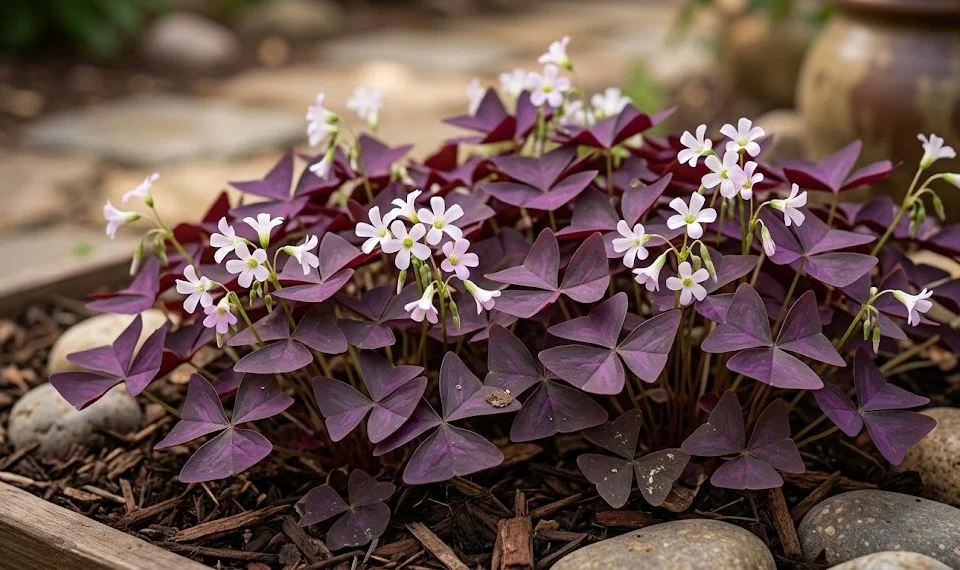

Preparing your false shamrock for the colder months is a crucial part of its annual lifecycle and long-term health. While it is a resilient species, the decrease in natural light and the changes in indoor climate during winter require a shift in strategy. Many people worry when their plant begins to look tired in late autumn, but this is often just the beginning of a natural rest. Understanding how to manage this transition will ensure that your plant returns with even more vigor when the spring arrives.
Recognizing the signs of approaching dormancy
As the days grow shorter and the temperatures begin to drop, you will notice a change in how your plant behaves. The leaves might not open as widely during the day, and the stems may lose some of their upright strength. This is the plant’s internal biological clock responding to the changing environment and preparing for a period of low activity. It is important to observe these subtle shifts so you can begin to adjust your care routine accordingly.
You might also see some of the older leaves starting to turn yellow or brown around the edges, even if your care has been perfect. This is not necessarily a sign of disease, but rather the plant withdrawing nutrients from its foliage to store in the underground rhizomes. During this time, the plant is prioritizing survival over appearance, shifting its energy focus downward. Don’t panic and start over-watering or fertilizing in an attempt to “fix” what is a natural process.
The speed at which dormancy sets in can vary depending on your local climate and how much supplemental light you use. For some, the plant will go completely dormant and lose all its leaves, while for others, it might just slow down significantly. Both are perfectly normal reactions, and you should follow the plant’s lead rather than trying to force it into one state or the other. Respecting these natural variations is part of the professional approach to indoor gardening.
Once the majority of the leaves have withered, you can safely assume the plant has entered its official resting phase. This is the signal to move into a different mode of care that is focused on protection rather than growth. The plant is now in a state of suspended animation, waiting for the return of favorable conditions. Your job is now to provide a safe, stable environment where the rhizomes can remain healthy until the spring thaw.
More articles on this topic
Storing the plant during the rest period
If your plant has gone completely dormant, you have several options for where to keep the container during the winter. Some gardeners prefer to leave the pot in its usual spot, simply ignoring it until new shoots appear in the spring. However, if space is limited, you can move the pot to a cool, dark location like a basement or a closet. The ideal storage temperature is between 10 and 15 degrees Celsius, which keeps the rhizomes dormant without freezing them.
The most important factor during storage is ensuring that the soil does not become bone-dry for months on end. While the plant needs very little water, the rhizomes can eventually shrivel and die if the environment is completely devoid of moisture. A tiny amount of water every four to six weeks is usually enough to keep the soil slightly “fresh” without triggering growth. Think of it as keeping the root environment hydrated just enough to sustain life.
If you are short on space, you can also choose to remove the rhizomes from the soil and store them in a more compact way. Gently dig them up, brush off the excess dirt, and place them in a paper bag filled with slightly damp peat moss or vermiculite. This method allows you to inspect each corm for health and store dozens of potential plants in a very small area. Keep the bag in a cool, dark place and check it once a month for any signs of mold or excessive drying.
Labeling your stored plants or bags is a simple but vital step that is often forgotten until it is too time-consuming to fix. It is very easy to forget which pot contains which variety of plant when they all look like empty containers of soil. Using a simple tag or a piece of masking tape with the name and the date storage began will save you a lot of confusion later. This level of organization is what separates the casual hobbyist from the professional-level gardener.
More articles on this topic
Indoor overwintering without full dormancy
In some modern homes with consistent temperatures and artificial lighting, the false shamrock may never go fully dormant. If your plant continues to produce new leaves throughout the winter, you can continue to care for it as usual, with a few adjustments. You should still reduce the frequency of watering, as the lower natural light means the plant’s metabolism is naturally slower. Also, stop all fertilization from late autumn until early spring to prevent the buildup of unused salts.
The biggest challenge for plants that stay active indoors during the winter is the lack of atmospheric humidity. Heating systems can make the air extremely dry, which can cause the delicate purple leaves to become crispy and brittle. Using a small humidifier nearby or misting the area around the plant can help maintain a more hospitable environment. Just be careful not to create a situation where water sits on the leaves for too long, as this can still lead to fungal issues.
Light is another critical factor for plants that are trying to grow during the dark months of the year. If you want to keep your plant looking full and vibrant, you might need to move it to your brightest window or use a grow light. Without enough light, the new winter growth will be very pale and “leggy,” which can ruin the aesthetic of the plant. A few hours of supplemental full-spectrum light each day can make a massive difference in the plant’s winter appearance.
Even if the plant stays green, it is still beneficial to give it a “soft rest” by keeping it in a slightly cooler room than usual. This cooler environment mimics the natural seasonal cycle and helps prevent the plant from becoming exhausted by constant growth. After a few months of this reduced activity, the plant will be ready to burst into vigorous growth as soon as the spring light returns. Think of this as a “nap” rather than a full “hibernation” for your plant.
Preparing for the spring awakening
As the days begin to lengthen in late February or early March, it is time to start thinking about waking up your dormant plants. You will know it is time when you see the first tiny, pale nubs of new growth starting to push through the soil surface. This is an exciting moment that marks the end of the winter cycle and the beginning of a new year of beauty. Once you see these signs, you can gradually move the pot back into its bright, permanent location.
The first watering after a long dormancy should be done carefully to avoid overwhelming the awakening root system. Use lukewarm water and provide just enough to moisten the soil throughout the container without making it soggy. As more leaves emerge and the canopy begins to expand, you can slowly increase the frequency of your watering sessions. This gradual approach allows the plant to scale up its metabolic processes at its own natural pace.
Spring is also the ideal time to repot your plant or refresh the top layer of soil before the main growing season begins. If the plant has been in the same pot for several years, giving it fresh, nutrient-rich soil will provide a massive boost to its development. You can also take this opportunity to divide the rhizomes if the pot has become too crowded during the previous year. This gives each individual plant more room to shine and results in a healthier, more balanced display.
Finally, wait until the plant has several fully unfolded leaves before you resume your regular fertilization schedule. The early shoots are very delicate and can be easily burned by the concentrated nutrients in most plant foods. Starting with a very weak solution and building up to full strength over several weeks is the safest way to reintroduce fertilizer. With this careful transition, your false shamrock will be well on its way to another spectacular season of deep purple foliage.