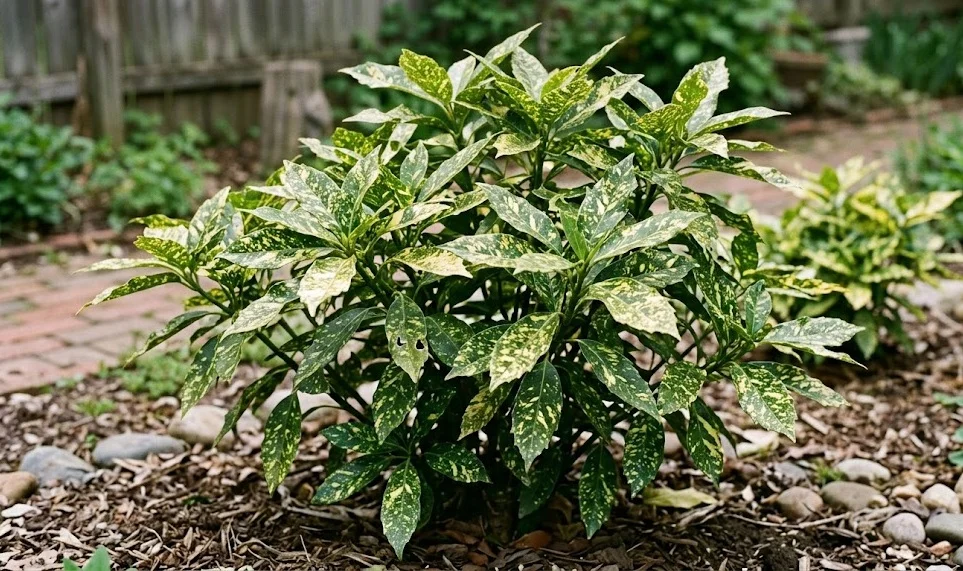

Pruning is a vital horticultural practice that helps maintain the health, shape, and vigor of the Japanese laurel. While this shrub is naturally well-behaved, a thoughtful approach to cutting back can enhance its aesthetic appeal significantly. Understanding when and how to prune allows the gardener to control the plant’s size and encourage the growth of fresh, variegated foliage. With the right techniques, you can transform a leggy or overgrown specimen into a dense and attractive landscape feature.
The primary goal of pruning for this particular species is usually to maintain its compact, bushy habit. If left entirely to its own devices, the Japanese laurel can become somewhat open and sparse over time. Regular tipping or pinching back of the new growth in the spring encourages the development of lateral branches. This process results in a fuller plant that provides better screening and more visual impact in the garden.
The best time for major pruning is in late spring or early summer, just as the new growth is beginning to harden. This timing allows the plant plenty of time to recover and produce new shoots before the arrival of winter. Avoid pruning late in the autumn, as this can stimulate new growth that will be highly susceptible to frost damage. Routine maintenance, such as removing dead or damaged wood, can and should be done at any time of the year.
Using the correct tools is essential for making clean cuts that heal quickly and prevent the entry of pathogens. Sharp hand pruners are usually sufficient for the majority of the work, as the wood of the laurel is relatively soft. For larger, older branches, a small pruning saw or a pair of loppers may be necessary to ensure a smooth finish. Always clean your tools with alcohol before and after use to avoid spreading any potential diseases between plants.
Technical aspects of shaping the shrub
When making a cut, it is important to prune back to a healthy bud or a leaf node that is facing the direction you want the growth to go. This “directional pruning” allows you to guide the plant’s development and prevent branches from crossing over each other. Avoid leaving long stubs, as these can die back and become entry points for rot or insects. A clean, angled cut just above a node is the professional standard for high-quality garden maintenance.
More articles on this topic
Thinning out the center of the plant is a useful technique for improving air circulation and light penetration. By removing a few of the oldest or most crowded stems from the base, you allow more resources to reach the inner parts of the shrub. This helps prevent the interior of the plant from becoming a bare thicket of dead wood and old leaves. A well-thinned laurel is more resilient and less prone to the fungal diseases that thrive in stagnant air.
If a Japanese laurel has become excessively large or leggy, it can respond well to more drastic rejuvenation pruning. This involves cutting the entire plant back to within a foot of the ground, which stimulates a flush of vigorous new growth from the base. While the plant may look sparse for a season, it will quickly recover and form a much denser and more attractive shape. This is an excellent way to breathe new life into an old, neglected specimen that has lost its lower foliage.
Special attention should be paid to any “reverted” shoots that appear entirely green without any yellow variegation. Because these shoots contain more chlorophyll, they are more vigorous than the variegated parts of the plant and can eventually dominate. These should be cut back to their point of origin as soon as they are noticed to preserve the plant’s decorative appearance. Maintaining the genetic consistency of the cultivar is a key responsibility of the gardener.
Aesthetic considerations and creative pruning
The Japanese laurel is often used as a formal or informal hedge, and its pruning should reflect its intended role in the landscape. For a formal look, the sides can be sheared lightly to maintain a clean, architectural line. However, take care not to cut too many of the large leaves in half, as the brown edges can look unsightly for a long time. Hand pruning individual stems is more time-consuming but yields a much more natural and attractive result.
More articles on this topic
In a more naturalistic garden setting, the goal of pruning should be to enhance the plant’s inherent graceful form. Instead of creating flat surfaces, focus on removing individual branches to maintain an airy and informal silhouette. This approach allows the beauty of the variegated leaves and the structure of the stems to be the main focus. A lightly pruned laurel looks as though it has grown that way naturally, which is often the highest praise for a gardener’s skill.
For those interested in creative gardening, the Japanese laurel can also be trained as a small, multi-stemmed tree. This involves removing the lower branches to expose the attractive, smooth bark of the main stems. This “limbing up” technique creates space underneath the shrub for shade-loving groundcovers or spring bulbs. It transforms the plant from a simple shrub into a sophisticated structural element that adds height and interest to the garden.
Always step back and look at the plant from several angles during the pruning process to ensure balance and symmetry. It is very easy to get caught up in the details and accidentally remove too much from one side. Taking a slow and methodical approach prevents mistakes and ensures that the final result is exactly what you envisioned. Remember that you can always cut more off later, but you can’t put a branch back once it has been removed.
Post pruning care and long term health
After a significant pruning session, providing the plant with a little extra care can help it recover more quickly. A light application of balanced fertilizer and a thorough watering will give it the resources it needs for its next flush of growth. Check the plant regularly for any signs of stress or pest activity, as fresh pruning cuts can sometimes attract unwanted attention. With proper support, the laurel will bounce back stronger and more beautiful than before.
Documentation of your pruning activities can be a helpful guide for future years. Note which techniques worked best for your specific plants and how they responded to different levels of cutting. This knowledge allows you to refine your approach and achieve more consistent results over time. Professional horticulturists often keep detailed records to ensure the long-term health and beauty of the landscapes they manage.
Pruning is not just a chore but an opportunity to connect with your plants and understand their growth patterns. Each cut is a conversation between the gardener and the living organism, guiding its future and ensuring its place in the garden. By following these professional guidelines, you ensure that your Japanese laurel remains a vibrant and healthy feature for many years to come. Your dedication to its care is reflected in every glossy, variegated leaf.
Finally, remember that the goal of all maintenance is to support the natural beauty and health of the plant. The Japanese laurel is a remarkably forgiving shrub that will tolerate a wide range of pruning styles. Whether you are aiming for a formal hedge or a wild, woodland look, your efforts will be rewarded with a stunning evergreen display. Trust your instincts, use the right tools, and enjoy the process of shaping your garden’s future.