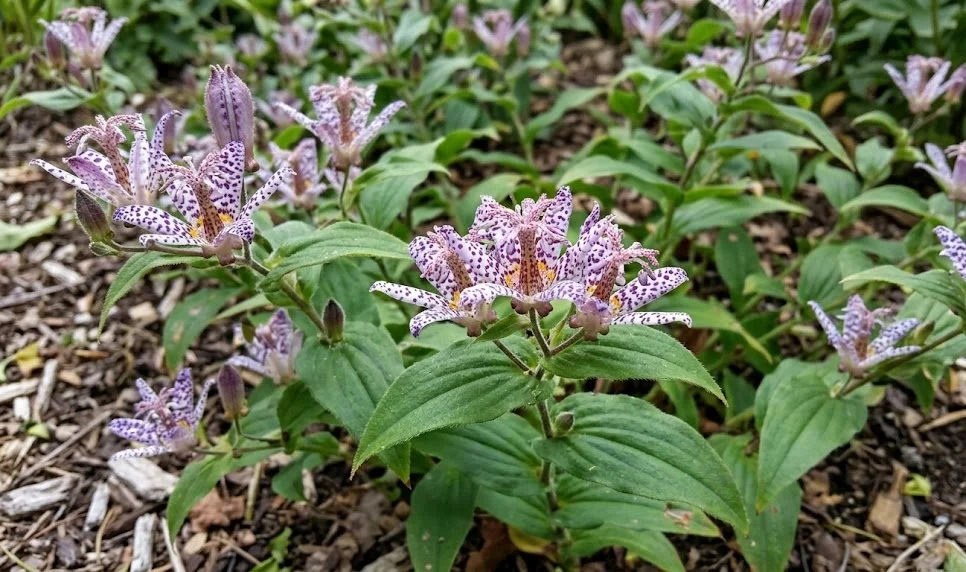

Consistent hydration is the absolute cornerstone of successful toad lily cultivation, as these woodland plants despise prolonged dryness. Their native forest environments provide a steady supply of moisture that keeps the soil cool and fertile. Developing a reliable watering routine ensures that your plants never experience the debilitating stress of drought conditions. Understanding their hydration needs allows you to maintain lush foliage and robust flower production.
The frequency of watering depends heavily on your specific soil type, local weather patterns, and the current season. As a general rule, these perennials require about one inch of water per week through rain or manual irrigation. During periods of extreme heat or extended drought, you will likely need to increase this amount significantly. Checking the soil moisture manually with your finger is the most accurate way to judge irrigation needs.
When irrigating, always aim to water deeply rather than providing frequent, shallow sprinkles that only wet the surface. Deep watering encourages the roots to grow downward into the cooler, more stable layers of the soil profile. This deep root architecture makes the plant far more resilient to temporary fluctuations in surface moisture levels. Apply water slowly at the base of the plant to ensure maximum absorption into the root zone.
The time of day you choose to water also plays a vital role in preventing evaporation and disease issues. Early morning is the ideal time because it allows any accidental moisture on the leaves to dry quickly in the sun. Avoid watering late in the evening, as prolonged wet foliage overnight creates the perfect environment for fungal spores. Perfecting your timing maximizes efficiency and protects your collection from unnecessary health complications.
Moisture management during summer peaks
Midsummer presents the greatest challenge for maintaining the consistent moisture levels these woodland plants require to thrive. High temperatures and intense sunlight cause rapid evaporation from both the soil and the plant’s large leaves. Without careful monitoring, a single hot week can cause irreversible crisping of the foliage margins and dropped buds. Implementing advanced moisture management strategies protects your investment during these stressful summer peaks.
More articles on this topic
Utilizing soaker hoses or drip irrigation systems is highly efficient and effective for maintaining soil moisture during heatwaves. These systems deliver water directly to the soil surface, minimizing evaporation loss and keeping the foliage completely dry. Setting these systems on an automatic timer ensures consistency even when you are away from home. This targeted approach saves water while providing the steady hydration these perennials crave.
Increasing the thickness of your organic mulch layer before the summer heat intensifies provides excellent extra insulation. A three-inch layer of shredded bark acts like a cooling blanket, keeping soil temperatures down and trapping essential moisture. As the mulch decomposes, it also improves the soil’s organic structure, increasing its natural water-holding capacity. This simple maintenance step yields dramatic benefits during the most demanding months of the year.
Pay extra attention to plants located near large trees, which draw immense amounts of water from the surrounding soil. During summer, these large neighbors can easily deplete the moisture reserves intended for your smaller shade perennials. You may need to water these specific areas more frequently than isolated beds to compensate for the intense competition. Regular observation helps you identify which zones require extra attention to maintain uniform health.
Essential nutrients for vibrant blooms
Providing the correct balance of nutrients supports robust vegetative growth and enhances the spectacular autumn flower display. While these plants are not excessively heavy feeders, they do require a steady supply of essential elements to thrive. Soil that is completely depleted of organic matter will result in pale foliage and sparse, disappointing blooms. Understanding their nutritional needs allows you to supplement the soil effectively without causing damage.
More articles on this topic
Nitrogen is essential during the early spring months to support the rapid development of strong stems and lush green leaves. However, excessive nitrogen later in the season can lead to weak, floppy stems and delayed flowering. Phosphorus is critical for root establishment and the formation of numerous, vibrant flower buds as autumn approaches. Potassium enhances overall plant health, improving disease resistance and winter hardiness against severe freezing temperatures.
Micronutrients such as iron, magnesium, and manganese also play supporting roles in maintaining optimal plant metabolism and chlorophyll production. A deficiency in these trace elements often manifests as interveinal chlorosis, where leaves turn yellow while veins remain green. Incorporating rich organic compost into the soil is the best way to provide a full spectrum of these vital micronutrients naturally. Maintaining a healthy soil ecosystem reduces the need for synthetic chemical supplements.
The pH of your soil directly influences the availability of these essential nutrients to the plant’s root system. In highly alkaline soils, critical nutrients like iron become locked up and unavailable, regardless of how much fertilizer you apply. Maintaining a neutral to slightly acidic pH ensures that the elements remain soluble and easily absorbable. Regular soil testing provides the insights necessary to manage this chemical balance effectively.
Choosing and applying the right fertilizers
Selecting the appropriate fertilizer involves choosing between organic amendments and synthetic options based on your gardening philosophy. Organic choices, such as compost, well-rotted manure, and fish emulsion, feed both the plant and the soil biology. These options release nutrients slowly over time, minimizing the risk of root burn and promoting long-term soil health. Many expert gardeners prefer organic methods for woodland perennials to mimic natural forest lifecycles.
Synthetic slow-release granular fertilizers offer convenience and precise nutrient ratios for targeted plant feeding throughout the season. If choosing this route, select a balanced formula, such as a standard ten-ten-ten blend, applied in early spring. These granules dissolve slowly with rainfall, providing a steady stream of nutrition over several months. Always follow the manufacturer’s instructions carefully to avoid over-application and potential chemical runoff.
Apply granular fertilizers evenly around the drip line of the plant, avoiding direct contact with the stems or crown. Scratch the granules gently into the top layer of soil and water the area thoroughly immediately afterward. This activation step helps dissolve the nutrients and moves them down into the root zone where they are needed. Never apply fertilizer to bone-dry soil, as this can shock the root system and cause severe root burn.
Stop all fertilizer applications by midsummer to prevent the stimulation of tender, new growth late in the season. Late-season growth is highly susceptible to early autumn frosts and weakens the plant’s ability to prepare for winter dormancy. Allowing the plant to naturally slow its growth ensures it channels energy into flower production and root preservation. This strategic timing aligns your feeding schedule perfectly with the plant’s natural growth cycle.
Signs of overwatering and nutrient toxicity
While these perennials demand moisture and nutrition, excessive amounts can quickly lead to severe health crises. Overwatering is particularly dangerous because it excludes oxygen from the soil, causing root suffocation and rapid decay. Recognizing the early symptoms of over-saturation allows you to adjust your care before irreversible damage occurs. Striking the perfect balance requires observation and a willingness to modify your routines when necessary.
Symptoms of overwatering include yellowing lower leaves, wilting stems despite wet soil, and a distinct mushiness at the base. If you notice a foul odor emanating from the soil, root rot has likely taken hold beneath the surface. In these cases, immediately cease watering and allow the soil to dry out significantly before irrigating again. Improving the physical drainage of the bed may be required to save the affected plants.
Nutrient toxicity, or fertilizer burn, occurs when an excess of soluble salts accumulates in the soil surrounding the roots. This condition manifests as browned, crispy leaf tips and edges, often accompanied by stunted or distorted new growth. Extreme over-fertilization can cause sudden defoliation and the death of tender young shoots within days of application. If you suspect fertilizer burn, flushing the soil with large amounts of clean water can help leach excess salts away.
Maintaining a careful log of your watering and fertilization activities helps prevent these common maintenance pitfalls. When problems arise, reviewing your recent actions allows you to diagnose the issue quickly and accurately. Remember that in gardening, less is often more when it comes to chemical interventions and synthetic inputs. Trusting natural processes and observing your plants carefully ensures a healthy, beautifully balanced shade garden.