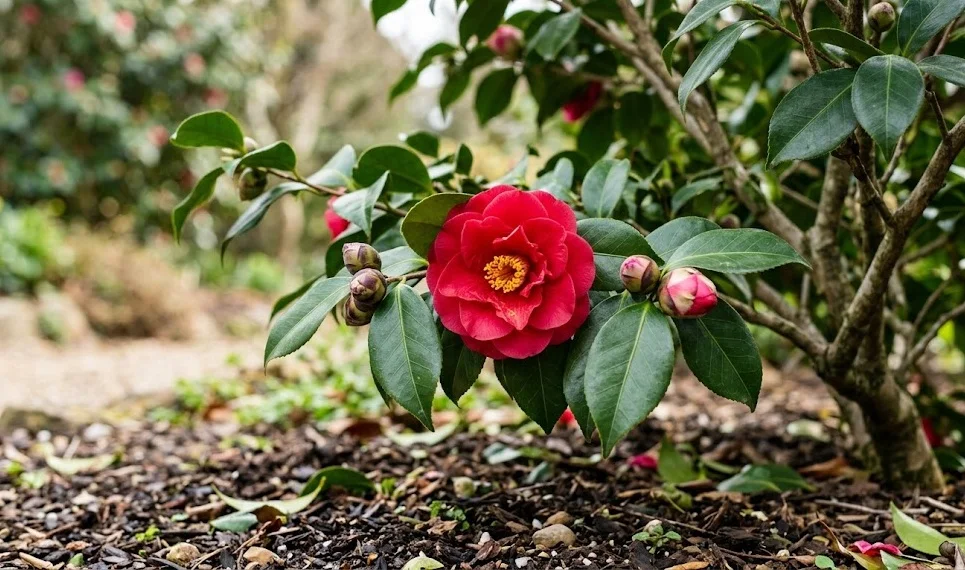

Mastering the art of maintaining these elegant evergreens involves a deep understanding of their specific physiological needs and their historical origins in East Asian forest understories. You must pay close attention to the soil acidity and the level of organic matter present in the immediate root zone to ensure long-term health. Establishing a consistent routine will allow the plant to thrive through the changing seasons without experiencing significant stress or unwanted leaf drop. Experienced gardeners know that patience is the primary virtue when dealing with such slow-growing and sophisticated specimens in a temperate garden.
The foundation of successful cultivation lies in the chemical composition and structure of the growing medium used in the garden. You should aim for a soil pH between 5.5 and 6.5, as these plants are strictly acid-loving and will suffer in alkaline conditions. Incorporating high-quality leaf mold or well-rotted pine bark will improve the drainage while maintaining the necessary moisture levels for the roots. Avoiding heavy clay is essential because stagnant water around the root ball often leads to fatal fungal infections and root rot.
Creating a stable microclimate is the next step in ensuring your shrubs remain vibrant and produce the best possible blooms. You should look for a spot that offers protection from harsh, drying winds which can scorch the delicate foliage during the winter months. A location near a north-facing wall or under the filtered canopy of taller trees often provides the ideal balance of shelter and air circulation. Observing how the air moves through your garden will help you identify the perfect pocket where the temperature remains relatively consistent.
Applying a thick layer of organic mulch is one of the most effective ways to protect the shallow root system from temperature fluctuations and moisture loss. You can use pine needles, shredded bark, or cocoa shells to create a barrier that slowly breaks down and enriches the soil over time. This layer should be replaced or topped up every spring to ensure the roots stay cool during the hot summer months. Be careful not to pile the mulch directly against the main stem, as this can encourage rot and provide a hiding place for harmful pests.
Managing the transition between different growth phases requires a keen eye for the plant’s subtle signals and nutritional requirements. During the active growth period in spring, you should monitor the new shoots for vigor and color to ensure the plant has enough energy. As the buds begin to form in late summer, the plant shifts its focus, and you must adjust your care routine to support flower development. Providing extra humidity during particularly dry spells will help prevent the premature dropping of buds before they have a chance to open.
Growing these shrubs in containers offers more control over the soil environment but requires more frequent monitoring of the moisture levels. You should select a pot with ample drainage holes and use a specialized ericaceous potting mix designed for acid-loving species. Potted specimens are more susceptible to root freezing, so you might need to move them to a more sheltered location during extreme weather events. Feeding container-grown plants requires a more careful approach to avoid the buildup of mineral salts that can damage the sensitive roots.
Recognizing the signs of environmental stress early can save your plant from long-term damage or a decline in flowering potential. Yellowing leaves with green veins often indicate a lack of iron or a soil pH that has become too high for the plant to absorb nutrients. If you notice the leaf edges turning brown and crispy, it is likely a sign of windburn or insufficient atmospheric humidity. Regular inspections allow you to make small adjustments to the watering or positioning before the issues become systemic and difficult to treat.
Developing a long-term vision for your garden includes understanding that these plants can live for decades if their basic needs are met consistently. You should keep a garden journal to track the flowering dates and any specific treatments you apply throughout the year. This historical data will help you refine your care techniques and adapt to the specific conditions of your local environment. Success with these magnificent plants is a journey of observation and gentle intervention that rewards the gardener with incomparable winter beauty.