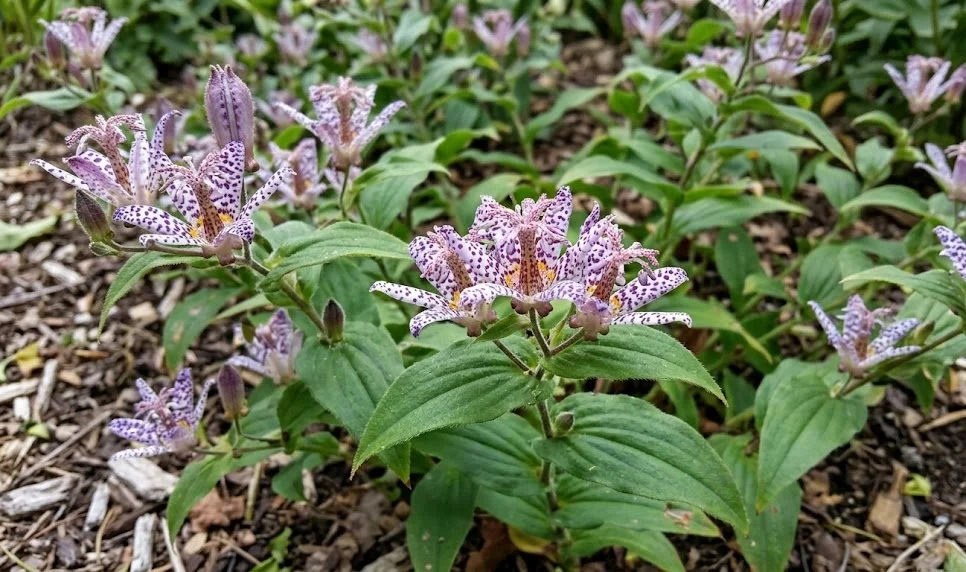

Toad lilies offer an exquisite, exotic appearance that elevates any shaded garden bed during the late summer and autumn months. These unique perennials are highly valued for their intricate, orchid-like flowers that bloom when most other plants begin to fade. Cultivating them successfully requires an understanding of their natural woodland habitat and specific growth preferences. By replicating these conditions, you can ensure a spectacular display of color year after year.
The growth habit of these plants is clump-forming, featuring gracefully arching stems adorned with soft, green leaves. As the season progresses, tiny buds form at the leaf axils and terminal ends, eventually bursting into spotted blossoms. Their distinctive appearance makes them an excellent conversation piece for shade gardens and shaded borders alike. Understanding their growth cycle helps gardeners provide timely care throughout the changing seasons.
Unlike many typical shade-loving plants, these specimens do not mind a bit of humidity provided the air circulation is adequate. They thrive in rich, organic environments where the natural decomposition of leaf litter provides constant nourishment. Gardeners often appreciate how these resilient perennials fill the late-season void with remarkable reliability. Learning to recognize their structural needs forms the foundation of expert-level cultivation.
Their root systems are relatively shallow but fibrous, making them susceptible to sudden environmental changes. This characteristic means that consistency is paramount when managing their surrounding soil and moisture conditions. Providing a stable environment will reward you with lush foliage and an abundance of specked flowers. Let us explore the fundamental elements required to keep these plants thriving effortlessly.
Creating the ideal woodland environment
Mimicking a natural forest floor is the most effective approach to securing the long-term health of these plants. They prefer conditions where the soil remains consistently moist, cool, and highly enriched with organic matter. Incorporating generous amounts of compost or leaf mold into the planting area yields excellent results. This preparation creates a spongy soil structure that retains moisture without becoming dangerously waterlogged.
More articles on this topic
The physical location should ideally offer shelter from harsh, drying winds that can tatter the delicate foliage. Strong winds not only damage the leaves but also accelerate moisture loss from the soil surface. Planting near established trees, shrubs, or structural backdrops provides the necessary microclimate for optimal development. This protective placement ensures that the tall, arching stems remain upright and undamaged throughout the season.
Soil acidity plays a significant role in the overall vitality and nutrient uptake of these woodland perennials. They display a strong preference for neutral to slightly acidic soil conditions where micronutrients are readily available. If your garden soil is heavily alkaline, amending it with sulfur or organic peat moss is highly recommended. Regular soil testing can help you monitor these levels and make precise adjustments as needed.
Good drainage is equally crucial because stagnant water will quickly compromise the integrity of the fibrous root system. While they demand constant moisture, they will not tolerate sitting in dense, heavy clay that chokes out oxygen. Elevating the planting bed or incorporating coarse grit can drastically improve the structural drainage of heavier soils. Creating this balanced environment lays the groundwork for a truly spectacular floral exhibition.
Seasonal maintenance routines throughout the year
Spring care begins with clearing away any remaining debris from the previous winter to expose the new emerging shoots. As temperatures rise, applying a fresh layer of organic mulch helps protect these tender shoots from late unexpected frosts. This is also the ideal time to check the soil moisture levels as the plant begins its active growth phase. Monitoring the early development ensures a strong foundation for the entire growing season ahead.
More articles on this topic
Summer maintenance revolves heavily around preserving soil moisture and monitoring for potential heat stress during peak temperatures. As the canopy densifies, ensure that taller neighboring plants do not completely crowd out or smother your specimens. Gentle hand-weeding around the base prevents competition for vital nutrients and water without disturbing the shallow roots. Regular inspections during this period will help you catch any minor issues before they escalate.
Autumn brings the highly anticipated blooming period, requiring minimal intervention but careful appreciation of the floral display. You should keep the area clean and free from falling leaves that might smother the lower foliage of the plant. If the stems become heavy with blossoms, providing light, discreet staking can prevent them from bending completely to the ground. This simple task preserves the aesthetic value of the display during inclement autumn weather.
Winter routines focus almost exclusively on protection and preparing the dormant root systems for freezing conditions. Once the foliage completely dies back after the first hard frost, clearing the dead stems helps eliminate potential pest habitats. Applying a thick, insulating layer of mulch ensures the roots remain protected from severe temperature fluctuations. This careful seasonal transition guarantees a successful and vigorous return when spring arrives once more.
Soil management and moisture retention
Maintaining an optimal soil structure requires ongoing attention and periodic additions of organic material to the garden bed. Over time, organic matter breaks down and compacts, which can negatively impact the aeration around the roots. Top-dressing the soil each spring with premium compost restores vital structure and introduces beneficial microbial life. This practice sustains the rich, fertile environment these woodland plants need to flourish continuously.
Mulching serves as an indispensable tool for regulating both soil temperature and moisture retention throughout the year. A layer of shredded bark, pine needles, or decomposed leaves suppresses competitive weed growth effectively. It acts as a protective barrier, preventing the sun from drying out the top layers of the soil where roots reside. Maintaining a consistent mulch depth of two to three inches provides the ultimate protection.
Moisture retention should never be confused with creating a muddy, saturated environment that lacks proper aeration. The ideal soil texture should feel like a wrung-out sponge, holding moisture while still allowing excess water to pass through. If you notice water pooling on the surface after a downpour, the soil structure requires immediate remediation. Adding perlite or fine gravel can break up compaction and enhance internal drainage characteristics.
Evaluating your soil health periodically through visual checks and physical feel provides valuable insights into its condition. Healthy soil should crumble easily in your hand and possess a rich, dark color indicative of high organic content. If the soil appears pale or turns into hard clods, it lacks the necessary organic components. Taking proactive steps to manage soil quality directly impacts the size and abundance of autumn flowers.
Managing growth and surrounding vegetation
Proper spacing these perennials ensures that each individual clump has sufficient room to expand without competing for resources. When planted too closely together, air circulation diminishes, creating an environment ripe for fungal pathogens to take hold. Allowing adequate distance between companion plants keeps the entire shade border looking neat and structurally balanced. This strategic arrangement maximizes both the visual impact and the physical health of your garden.
Choosing compatible companion plants enhances the overall aesthetic while sharing similar environmental and cultural requirements. Classic woodland choices include hostas, ferns, astilbes, and bleeding hearts, which thrive in identical shade and moisture levels. These companions offer contrasting foliage textures that complement the delicate, upright structure of your lilies perfectly. Creating a harmonious community of plants results in a visually stunning and low-maintenance landscape.
As the clumps mature over several years, they will naturally expand and may eventually overcrowd their designated space. This expansion can lead to a decrease in blooming vigor and smaller individual flowers on the stems. Recognizing when a plant has outgrown its welcome is key to maintaining a dynamic garden design. Managing this growth through timely intervention ensures the longevity and beauty of the entire display.
Keep a watchful eye on aggressive weeds or invasive groundcovers that might attempt to infiltrate the planting zone. Because the root system of these lilies is relatively shallow, aggressive neighbors can easily outcompete them for surface moisture. Hand-pulling invading weeds gently is the safest method to protect the delicate subterranean network from accidental disruption. Consistent vigilance keeps the surrounding vegetation in check and allows your primary plants to shine.
Recognizing signs of environmental stress
Plants communicate their discomfort through visible changes in their foliage, stems, and overall growth patterns. Browning or crisping along the margins of the leaves usually indicates insufficient moisture or exposure to excessive sunlight. When you observe these symptoms, immediate action should be taken to adjust the watering frequency or provide temporary shade. Recognizing these early warning signs prevents long-term damage and ensures a swift recovery for the plant.
Yellowing leaves can signal a variety of issues, ranging from overwatering to a distinct lack of essential soil nutrients. If the lower leaves turn yellow while the soil feels constantly saturated, poor drainage is likely the culprit. Conversely, uniform yellowing across the entire plant might suggest a need for a balanced, slow-release fertilizer application. Carefully assessing the surrounding conditions helps diagnose the exact cause of the discoloration accurately.
Stunted growth or a complete lack of autumn blossoms often points to inadequate light levels or extreme root competition. While these plants adore shade, dense, absolute darkness will severely inhibit their ability to produce energy and form flower buds. Moving the plant to an area with filtered light or thinning out overhanging tree branches can quickly remedy this issue. Regular observations allow you to fine-tune the environment to meet the plant’s exact needs.
Drooping stems during the heat of the day do not always mean the soil is dry, so check before watering. Sometimes, the plant transpires moisture faster than the roots can absorb it during intense summer heat spells. If the stems upright themselves during the cooler evening hours, the plant is simply managing the temporary thermal stress. Understanding these physiological responses prevents overwatering and helps maintain a stable, healthy growth environment.
Long-term health and rejuvenation strategies
Sustaining the vitality of these woodland perennials over many years requires a proactive approach to plant rejuvenation. Every three to four years, mature clumps benefit immensely from being divided to renew their internal vigor. This process breathes new life into aging rootstocks and stimulates robust new growth in subsequent seasons. Planning this activity ensures a continuous supply of healthy, free-flowering specimens for your garden display.
Rejuvenation is best undertaken during the early spring months just as the new growth begins to break through. Carefully lifting the entire clump minimizes root damage and allows for a clear view of the structural root zones. Using a sharp, clean knife ensures clean cuts that heal quickly and resist potential soil-borne infections. Replanting the vigorous outer sections guarantees the continuation of a healthy and beautiful garden legacy.
Soil replenishment should always accompany the rejuvenation process to give the new divisions the best possible start. Digging fresh organic matter into the planting holes restores the nutrients depleted by the parent plant over time. This practice ensures that the newly established divisions have immediate access to the rich resources they require. Investing time in soil preparation during rejuvenation yields magnificent dividends in foliage quality and bloom count.
Documenting the performance and placement of your plants allows you to make informed decisions about future care adjustments. Note which areas of the garden produce the most vibrant flowers and the healthiest foliage responses over time. This personal gardening knowledge is invaluable for adapting your care routines to the specific microclimates of your yard. Continuous learning and mindful observation ensure that your collection remains a thriving, beautiful highlight for decades.