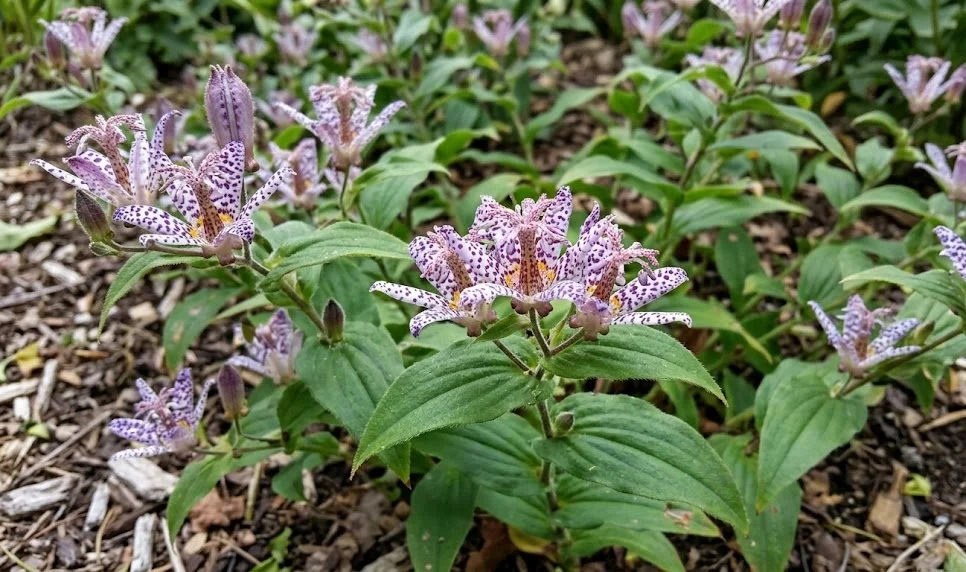

Proper pruning and cutting back are essential maintenance tasks that enhance the appearance and long-term health of toad lilies. While these woodland perennials do not require complex shaping, targeted maintenance throughout the year delivers significant benefits. Regular tidying keeps the plants looking neat within your landscape and prevents the waste of vital energy resources. Implementing these simple practices ensures a cleaner, healthier garden environment and a more spectacular floral display.
Mid-season pruning primarily involves removing any damaged, yellowing, or diseased leaves that appear during the active growing phase. This routine maintenance improves the overall aesthetic value of the plant and prevents the potential spread of fungal pathogens. Use sharp, clean shears to snip off affected leaves close to the main stem without damaging the surrounding tissue. Keeping the canopy clean allows light and air to circulate freely through the remaining healthy foliage.
Deadheading, or the removal of spent flowers, is a valuable practice performed during the late autumn blooming period. Once an individual blossom fades, removing it prevents the plant from channeling energy into producing unwanted seed pods. This redirected energy is instead focused downward into strengthening the root system and preparing for winter survival. Deadheading also maintains a clean, attractive appearance, allowing new buds to take center stage without visual clutter.
When deadheading, carefully cut back the faded flower stems to just above a healthy leaf node or lateral bud. Avoid cutting back the entire main stem while active blooming is still occurring elsewhere on the plant. This selective approach preserves the arching structure of the plant while maximizing the visual impact of the remaining blossoms. Incorporating this simple task into your regular garden walks yields noticeable improvements in plant performance and neatness.
Late autumn cutback for optimal hygiene
Performing a comprehensive cutback in late autumn is a critical step in preparing your perennials for winter dormancy. Once a hard frost occurs, the lush green foliage will rapidly turn brown, wither, and die back completely. Leaving this dead, decaying material in the garden over winter creates an ideal habitat for pests and overwintering fungal spores. A thorough late-season cleanup is essential for maintaining optimal garden hygiene and reducing future disease pressure.
More articles on this topic
Wait until the foliage has completely died back and lost all its green color before performing the final autumn cutback. This delay allows the plant to naturally withdraw all remaining nutrients from the leaves and store them safely in the roots. Cutting back too early can deprive the root system of vital energy reserves needed for winter survival. Patience during this transitional period ensures a more vigorous and healthy awakening when spring returns.
Use a sharp pair of bypass pruners to cut all the stems down to within two to three inches of the soil surface. Avoid cutting flush with the crown itself, as leaving a short stub protects the growing points from physical damage. Gather all the removed stems and foliage promptly and remove them from the immediate garden area to prevent contamination. If the plants showed any signs of disease during the year, dispose of the debris in the trash rather than composting it.
Clearing the ground around the cut-back crowns exposes any hidden pests, such as slugs or snails, that may be seeking winter shelter. This open area makes it much easier to apply protective winter mulch evenly over the dormant root zone. Maintaining a clean foundation ensures that the fresh spring shoots can emerge without navigating a dense layer of old, decaying debris. This disciplined autumn routine is a hallmark of expert perennial care and garden management.
Tools and techniques for clean precise cuts
Utilizing the correct tools and maintaining them properly is fundamental to achieving clean, precise cuts that heal quickly. Dull blades can crush and tear the delicate plant stems, creating ragged wounds that are highly susceptible to disease infiltration. Investing in high-quality bypass pruners ensures a smooth slicing action that minimizes mechanical stress on the plant tissue. Proper tool selection is the first step toward professional-grade maintenance in your shade garden.
More articles on this topic
Sanitation is equally critical when pruning, as dirty tools can easily transfer invisible pathogens from one plant to another. Always wipe your blades with rubbing alcohol or a diluted bleach solution before starting and between different plants. This simple precautionary step prevents the accidental spread of viral or fungal infections throughout your entire collection. Keeping a sanitizing wipe handy during your gardening routines is a highly effective habit for disease prevention.
When making a cut on a stem, always angle the blade slightly away from the remaining bud or leaf node. This angled cut prevents water from pooling on the wounded surface, reducing the risk of localized rot or fungal growth. Make the cut approximately one-quarter of an inch above the node to provide a safe buffer for the healing tissue. Practicing precise cutting techniques ensures that your maintenance work supports, rather than hinders, the plant’s natural health.
Regularly sharpening and oiling your pruning tools keeps them performing at their best and extends their operational lifespan significantly. Store your equipment in a dry place to prevent rust development on the blades and moving mechanisms over time. Taking care of your tools ensures they are always ready to deliver the clean, precise performance your plants deserve. Mindful maintenance of both your plants and your equipment results in a thriving, beautifully managed landscape.