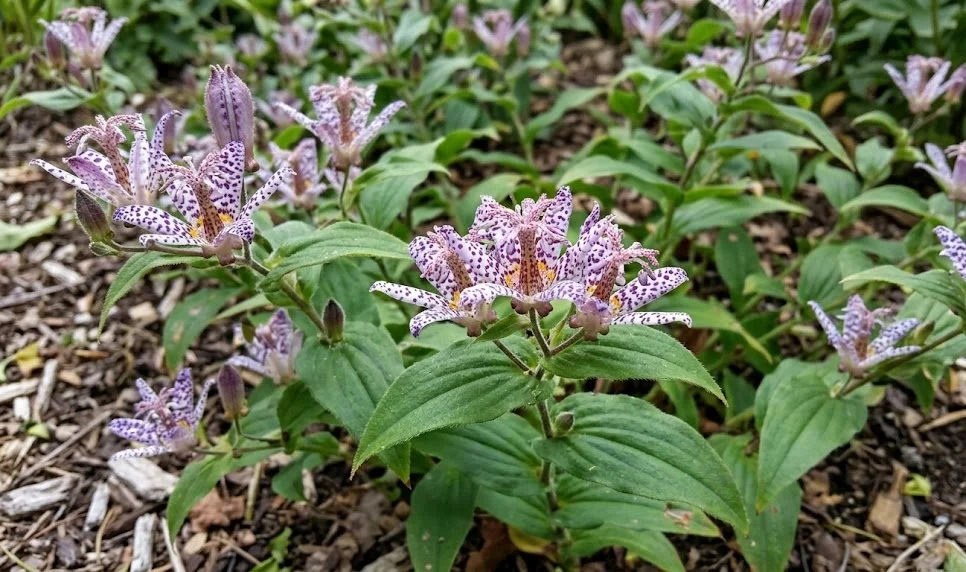

Providing the appropriate light environment is essential for the health, vigor, and flower production of toad lilies. These elegant perennials are native to woodland edges and mountain valleys where direct sunlight is filtered through a dense tree canopy. Replicating this specific dappled shade in your home garden ensures beautiful foliage and an abundance of autumn blooms. Understanding their light preferences is the key to unlocking their full ornamental potential.
Dappled shade refers to a dynamic lighting pattern where sunlight filters through overhead leaves, creating shifting spots of light and shadow. This environment provides enough solar energy for photosynthesis without exposing the plants to the intense, burning heat of direct rays. Under these conditions, the foliage remains a deep, rich green and the plants grow with a natural, graceful habit. Finding or creating this microclimate is the most important factor in site selection.
Morning sun combined with afternoon shade is another excellent lighting configuration that works wonderfully for these woodland plants. The soft, cool light of the early morning hours provides energy without the high thermal stress associated with midday sun. As the sun rises higher and temperatures climb, the plants should be protected by the shadow of a building, fence, or mature shrubbery. This arrangement keeps the root zone cool and prevents moisture from evaporating too rapidly from the soil.
Observing how light moves across your garden throughout the changing seasons provides valuable insights for proper plant placement. A spot that is deeply shaded in early spring may receive significant sunlight in summer as the sun’s angle changes. Spend time evaluating potential planting sites before committing your perennials to the ground to ensure long-term success. Mindful light management rewards you with healthy, long-lived plants that bloom reliably every year.
Consequences of excessive direct sunlight exposure
Exposing these shade-loving perennials to excessive direct sunlight can cause rapid, severe damage to their delicate physiological structure. Their leaves are not adapted to withstand intense ultraviolet rays or high thermal stress for extended periods. When subjected to full sun, the plant’s internal water transport system cannot keep pace with the rapid moisture loss. Understanding the signs of sun damage allows you to take corrective action before permanent injury occurs.
More articles on this topic
The most immediate symptom of sun exposure is leaf scorch, which appears as bleached, papery, or browned edges along the foliage. In severe cases, entire leaves will turn yellow, shrivel, and drop off, leaving the stems bare and vulnerable. This loss of foliage reduces the plant’s ability to manufacture energy, leading to a decline in overall health and vigor. Sun-scorched plants are also far more susceptible to secondary pest invasions and diseases.
Intense sunlight also bakes the surrounding soil, destroying the cool, moist root environment that these perennials absolutely require. Dry, overheated soil stresses the fibrous root system, causing root hairs to die and reducing nutrient uptake efficiency. Even with frequent watering, plants in full sun will struggle to maintain their turgor pressure and look constantly wilted. Protecting the root zone from direct solar radiation is just as important as shielding the foliage itself.
If you notice your plants struggling in a location that receives too much sun, temporary shading measures should be implemented immediately. You can use shade cloth, place large potted plants nearby, or erect a temporary barrier to block intense afternoon rays. Long-term success will likely require transplanting the affected specimens to a more suitable, shaded location during the next optimal planting window. Taking prompt action prevents the ultimate decline of your prized specimens.
Adapting light conditions across different regions
The ideal light exposure for these perennials can vary significantly depending on your specific geographic location and climate zone. In northern regions with cooler summers and shorter days, the plants can tolerate significantly more direct sunlight without experiencing damage. In contrast, southern gardeners must provide deep, reliable shade to protect plants from intense heat and blazing sun. Adapting your care strategy to your regional climate is a hallmark of expert gardening practice.
More articles on this topic
Northern gardeners often find that a few hours of direct afternoon sun actually benefits the plants by stimulating stronger flower production. The lower intensity of the northern sun is less likely to scorch foliage, provided soil moisture remains consistently high. This extra light can result in sturdier stems that require less staking and a higher concentration of autumn blossoms. Understanding these regional advantages allows you to optimize placement for maximum floral display.
In southern areas, even morning sun can sometimes prove too intense during the peak summer months, requiring almost total shade conditions. Southern gardeners should utilize dense canopy shade or the north-facing side of structures to ensure adequate protection from thermal stress. Incorporating taller, moisture-loving companion plants can help create a cooler, shaded microclimate that buffers against the extreme southern heat. Success in warm climates depends entirely on minimizing solar exposure and maximizing moisture levels.
Regardless of your region, maintaining a flexible approach and responding to your plants’ visual feedback is key to successful cultivation. If a plant looks pale and stretched, it may be telling you that the shade is too dense and it needs a bit more filtered light. Conversely, crisp, brown edges are a clear signal that the location is too bright and shelter is urgently required. Tuning into these subtle environmental cues ensures your shade garden remains a thriving oasis.