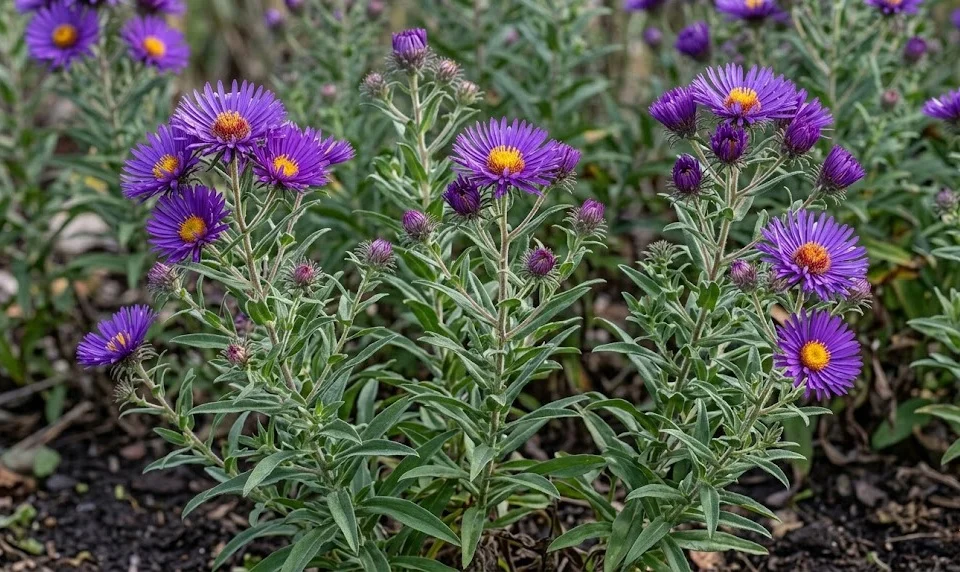

Maintaining the proper balance of moisture and nutrients is the key to unlocking the full potential of the New England aster. While these plants are remarkably resilient, they do best when their specific physiological needs are met with consistency and care. Proper hydration supports the lush foliage, while targeted fertilization ensures a spectacular explosion of autumn color. This article explores the best practices for managing these two critical components of perennial care to help your garden thrive throughout the entire growing season.
Understanding the hydration requirements
The New England aster naturally grows in moist meadows and along the edges of wetlands, which gives us a clear clue about its watering needs. You should aim to keep the soil consistently moist, especially during the peak growth periods of late spring and summer. Unlike some drought-tolerant prairie plants, this species does not handle prolonged periods of bone-dry soil particularly well. If the soil dries out too much, you may notice the lower leaves turning brown and dropping prematurely, which can ruin the aesthetic of the plant.
Regular monitoring of the soil moisture is essential, as the water needs of the plant will fluctuate based on the weather. During a hot, dry spell in July or August, you might find that your asters need a deep soaking two or three times a week. Conversely, in a cooler or rainier season, you can dial back your watering routine significantly to avoid waterlogging the roots. You should always feel the soil a few inches below the surface before deciding whether to turn on the hose or irrigation system.
The stage of growth also influences how much water the plant requires to maintain its structural integrity. During the rapid expansion of stems in the early summer, the plant is using a significant amount of water to build new cellular tissue. As the flower buds begin to form in late summer, another surge in water demand occurs to support the development of the blossoms. Providing steady moisture during these critical phases ensures that the plant has the resources it needs to perform at its best.
Environmental factors like wind and humidity also play a role in how quickly the plant loses moisture through its leaves. Plants in exposed, windy locations will dry out much faster than those tucked away in a more sheltered corner of the garden. You should pay close attention to the plants on the edges of your beds, as they are often the first to show signs of stress. Developing a sense of the unique microclimates within your garden will help you tailor your watering efforts more effectively.
More articles on this topic
Best practices for effective irrigation
When it comes to watering your New England asters, the method you choose can be just as important as the frequency. You should always aim to water at the base of the plant rather than spraying the foliage from above. Keeping the leaves dry is one of the most effective ways to prevent the development of powdery mildew, which is a common issue for this species. Using a soaker hose or a drip irrigation system is an excellent way to deliver water directly to the roots while keeping the canopy dry.
Early morning is the ideal time to water your garden, as it allows any accidental moisture on the leaves to dry quickly in the sun. Watering in the evening can sometimes lead to prolonged dampness, which creates a perfect environment for fungal spores to germinate. If you must water during the day, try to do so when the sun is not at its most intense to minimize water loss through evaporation. Consistency in your timing helps the plant establish a regular cycle of water uptake and transpiration.
Deep watering is far more beneficial than frequent, shallow sprinkles that only wet the surface of the soil. You should provide enough water to penetrate several inches deep, encouraging the roots to grow downward into the cooler, moister layers of the earth. This deep root system makes the plant much more resilient during short periods of drought or intense heat. A good rule of thumb is to provide about an inch of water per week, either through rainfall or supplemental irrigation.
Mulching is a fantastic companion to your watering routine, as it helps to lock in moisture and regulate soil temperature. A two-to-three-inch layer of organic mulch around the base of your asters can significantly reduce the amount of supplemental water they need. You should use materials like shredded bark, compost, or even clean straw to provide this protective barrier. Be sure to keep the mulch a few inches away from the actual stems of the plant to prevent any issues with crown rot.
More articles on this topic
Essential nutrients for vibrant blooming
Providing the right nutrients is like giving your New England asters the fuel they need to produce their spectacular floral show. You should focus on a balanced approach that supports both the green growth of the stems and the complex chemistry of the flowers. While these plants are not heavy feeders in the same way some vegetables are, they do benefit from a steady supply of minerals. A soil that is rich in organic matter usually provides a great baseline of nutrition for these hardy perennials.
Nitrogen is the primary nutrient responsible for the lush, green foliage and the rapid stem growth seen in the spring. You should ensure there is enough nitrogen available early in the season, but be careful not to overdo it as summer progresses. Too much nitrogen late in the year can result in weak, floppy stems and a delay in the onset of flowering. The goal is to build a strong frame for the plant early on and then shift the focus toward reproductive growth.
Phosphorus and potassium are the key players when it comes to the quality and quantity of the flowers. Phosphorus is vital for root development and the formation of flower buds, while potassium helps with overall plant health and disease resistance. You should look for a fertilizer with a slightly higher middle number if you want to give your plants an extra boost before the blooming season. These elements help the plant produce the intense pigments that make the New England aster so visually striking.
Micronutrients like magnesium, iron, and calcium are also important, though they are needed in much smaller quantities. Most garden soils contain these elements naturally, but a lack of them can sometimes lead to localized issues like chlorosis. If you notice unusual patterns of yellowing or distorted growth, it might be worth conducting a professional soil test to identify any specific deficiencies. Maintaining a healthy soil pH ensures that all these essential nutrients remain available for the plant to absorb.
Fertilization timing and application methods
The timing of your fertilizer applications can make a significant difference in how the plant responds. You should apply a balanced, slow-release fertilizer in the early spring just as the new shoots are beginning to emerge from the ground. This provides a steady stream of nutrients that the plant can use as it ramps up its growth for the season. Avoid applying high-potency fertilizers during periods of extreme heat or drought, as this can stress the plant and even cause root burn.
For those who prefer a more organic approach, top-dressing with high-quality compost or aged manure is an excellent alternative to synthetic products. You can spread a layer of organic matter around the base of the plants each spring, allowing the rain to wash the nutrients down to the roots. This method not only feeds the plant but also improves the overall health and structure of the soil over time. Organic fertilizers tend to release their nutrients more slowly, which is more in line with the natural growth cycle of the aster.
If you decide to use a liquid fertilizer for a quick mid-season boost, you should always follow the manufacturer’s instructions for dilution. Applying a liquid feed every few weeks during the summer can help maintain the vigor of the plant, especially in containers or sandy soils. You should always water the soil thoroughly before applying liquid fertilizer to ensure the roots are hydrated and ready to absorb the nutrients. Stop all fertilization by late August to allow the plant to begin its natural transition into winter dormancy.
Watching the plant for cues is the best way to determine if your fertilization strategy is working. If the growth is steady, the leaves are dark green, and the flowers are abundant, you are likely on the right track. Conversely, if the plant seems stunted or the blooming is sparse, you may need to adjust the frequency or type of fertilizer you are using. Every garden is different, and finding the perfect routine for your specific conditions is a process of observation and refinement.
Soil quality and long-term nutrient management
The foundation of any successful fertilization plan is the quality of the soil in which the plants are growing. You should strive to create a soil ecosystem that is alive with beneficial microorganisms that help break down organic matter and release nutrients. Regularly adding compost and avoiding the use of harsh chemicals can help maintain this delicate biological balance. Healthy soil acts as a buffer, holding onto nutrients and releasing them to the plant as needed throughout the season.
Compacted or heavy clay soils can often prevent the plant from accessing the nutrients that are already present. You should work on improving the soil structure by incorporating organic grit or compost to increase aeration and drainage. When the roots can breathe and move through the soil easily, they are much more efficient at gathering the resources the plant needs. Soil health is a long-term investment that pays dividends in the form of stronger, more resilient garden plants.
The pH of your soil also has a major impact on nutrient availability and the overall health of your New England asters. These plants generally prefer a neutral to slightly acidic pH, where most essential minerals are at their most soluble. If the soil is too alkaline, certain nutrients like iron can become locked up and unavailable to the plant. You can adjust the pH over time with the addition of sulfur for acidity or lime for alkalinity, but this should always be guided by a soil test.
Finally, remember that less is often more when it comes to fertilizing hardy native-based perennials like the New England aster. Over-fertilized plants are often more attractive to pests like aphids and are more prone to falling over under the weight of their own growth. By focusing on building healthy soil and providing modest, timely nutritional support, you can enjoy the natural beauty of these plants without unnecessary complications. A well-nourished aster is a beautiful and enduring part of any autumn garden.