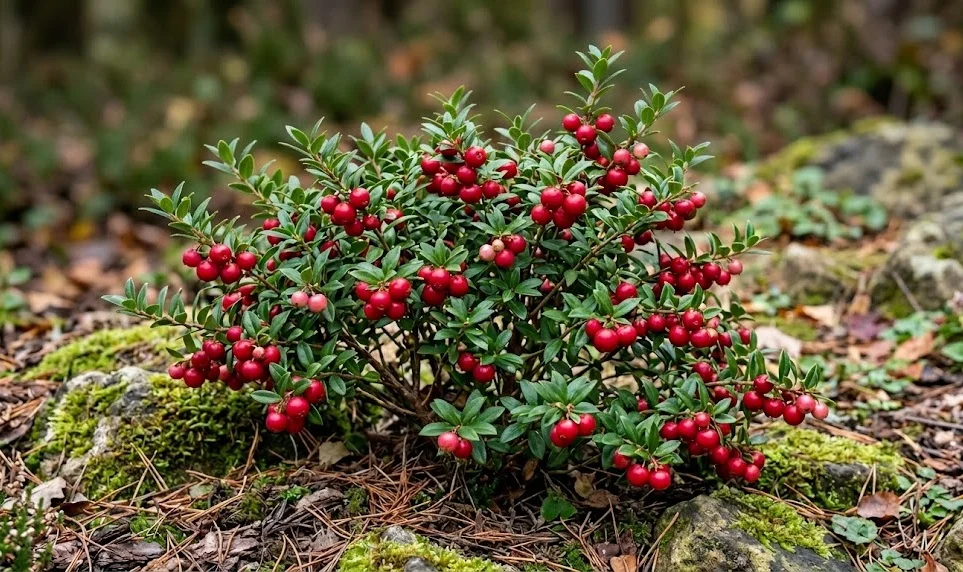

Effective watering and fertilization are the twin pillars of maintaining a healthy and productive prickly heath throughout its lifespan. These plants are native to regions with consistent moisture and naturally acidic soils, which means they have little tolerance for drought or high pH levels in their water source. You must develop a watering routine that keeps the soil consistently damp but never saturated, as the fine roots are susceptible to both drying out and rotting. Furthermore, any supplemental feeding must respect the plant’s sensitivity to minerals that could alter the acidity of its environment.
The quality of the water you use is just as important as the quantity when caring for this specific evergreen shrub. You should always use rainwater or filtered water whenever possible, as tap water often contains lime and other minerals that can gradually raise the soil pH. If you must use tap water, consider treating it or periodically checking your soil’s acidity to ensure it remains in the optimal range for ericaceous plants. Providing consistent, high-quality hydration is the most direct way to support the lush foliage and vibrant berry production that this plant is known for.
When it comes to fertilization, a “less is more” approach is often the most successful strategy for these slow-to-moderate growers. You should focus on providing a stable environment where the plant can access nutrients naturally through the decomposition of organic matter. If you do choose to use a commercial fertilizer, ensure it is labeled specifically for acid-loving plants to avoid causing chemical imbalances in the soil. Over-fertilizing can lead to a buildup of salts that damage the delicate root system and cause the edges of the leaves to turn brown and brittle.
By observing your plant closely, you can tailor your watering and feeding schedule to the specific needs of your garden’s microclimate. Seasonal changes will dictate how often you need to reach for the watering can or the fertilizer bag, with summer and spring being the most active times. A well-nourished and properly hydrated shrub will show its gratitude through deep green leaves and a spectacular display of berries that last well into the winter. Balancing these two essential elements of care is the hallmark of a truly expert gardener who understands the soul of this species.
Watering techniques and water quality
Proper watering starts at the base of the plant, where you should aim to deliver moisture directly to the root zone without wetting the foliage excessively. Wet leaves can sometimes encourage the growth of fungal pathogens, especially in humid climates or areas with poor air circulation. You should water deeply and less frequently rather than providing shallow daily sprinkles, as this encourages the roots to grow deeper into the soil. A deep root system makes the plant much more resilient during short periods of dry weather or unexpected heatwaves.
More articles on this topic
The use of rainwater is highly recommended because it is naturally soft and acidic, which perfectly matches the needs of this shrub. You can easily collect rainwater in barrels or tanks to ensure you have a steady supply even during the drier summer months. If you only have access to hard tap water, the accumulated minerals can eventually lead to a condition where the plant can no longer absorb nutrients. To counteract this, you may need to apply a soil acidifier once or twice a year to keep the pH levels within the healthy range for ericaceous growth.
Morning is the ideal time to water your plants, as it allows any moisture on the leaves to evaporate during the day. This timing also ensures that the plant has a full reservoir of hydration to draw from as temperatures rise and transpiration increases. If you notice the plant wilting in the late afternoon, it may need an emergency drink, but generally, a consistent morning routine is best. You should avoid watering in the evening if possible, as the lingering moisture can create an environment that is too hospitable for slugs and mold.
During the first year after planting, your watering efforts are the single most important factor in whether the shrub survives and thrives. You must check the soil moisture daily, especially if the weather is windy or exceptionally sunny, as young plants can dry out very quickly. Once established, the shrub is a bit more forgiving, but it will still perform best if the soil never becomes bone dry. Using a finger to test the soil a few centimeters below the surface is a simple and reliable way to tell if it is time to water.
Seasonal fertilizing strategies
The best time to apply fertilizer to your shrub is in the early spring, just as the new growth buds begin to swell and turn green. This timing ensures that the nutrients are available exactly when the plant’s metabolic demands are at their highest for the year. You should look for a slow-release granular fertilizer formulated for azaleas, camellias, and other acid-loving plants. A single application in the spring is usually enough to support the plant through its flowering and fruiting cycles without the risk of over-stimulation.
More articles on this topic
As the summer progresses, you should move away from high-nitrogen fertilizers that focus on leaf growth and instead prioritize the overall health of the shrub. If the plant appears to be struggling or the foliage looks pale, a liquid ericaceous feed can provide a quick boost of nutrients. However, you should use liquid feeds sparingly and only as a supplement to a good soil management routine. Always follow the manufacturer’s instructions regarding the dosage, as concentrated fertilizers can easily burn the sensitive roots of this species.
By the time late summer and autumn arrive, you should stop all supplemental feeding to allow the plant to naturally prepare for its dormant period. Feeding the plant late in the season can stimulate soft, new growth that does not have enough time to harden off before the first frost. This tender growth is highly susceptible to winter kill, which can weaken the overall structure and health of the shrub. Instead of fertilizer, focus on maintaining a healthy layer of organic mulch during the autumn months to protect the roots.
Organic fertilizers, such as well-rotted compost or leaf mold, provide a gentler and more sustainable way to nourish your garden. These materials break down slowly over time, improving the soil structure and providing a wide range of micronutrients that synthetic products might lack. You can apply a fresh layer of this organic “black gold” every spring as a combined mulch and feeding strategy. This natural approach not only feeds the plant but also supports the beneficial soil organisms that keep the entire ecosystem healthy.
Mulching for moisture and acidity
Mulching is one of the most effective tools in your gardening arsenal for managing both moisture levels and soil chemistry simultaneously. A thick layer of organic mulch, such as pine bark, wood chips, or needles, acts as an insulating blanket for the root system. It prevents the sun from baking the soil dry and significantly reduces the amount of water lost through evaporation from the ground. For a moisture-loving plant like the prickly heath, this consistent hydration is essential for maintaining its glossy foliage and heavy berry crops.
In addition to moisture retention, the right kind of mulch can help maintain or even increase the acidity of the soil over time. As materials like pine needles or shredded bark decompose, they release organic acids into the ground, which supports the low pH required by the shrub. You should aim for a mulch layer that is about five to seven centimeters thick, spreading it out to the drip line of the plant’s branches. Be careful not to pile the mulch directly against the stem, as this can trap moisture against the bark and lead to fungal rot.
Mulch also serves as a barrier against weeds that would otherwise compete with your shrub for water and nutrients. Because the root system of this species is quite shallow and fine, pulling large weeds can often disturb and damage the plant’s roots. A good mulch layer keeps weed seeds from germinating and makes any that do sprout much easier to remove without a struggle. This simple maintenance step saves you time in the long run and provides a cleaner, more professional look to your garden beds.
Over time, you will notice that the mulch layer gradually thins as it breaks down and integrates into the soil below. You should replenish the mulch once a year, typically in the spring or autumn, to maintain its protective and acidifying benefits for the plant. This cycle of mulching mimics the natural processes found on a forest floor, where falling leaves and needles constantly renew the soil. By following this natural model, you provide your prickly heath with the most stable and supportive environment possible for its long-term health.
Identifying nutrient deficiencies
Even with a good care routine, you may occasionally notice signs that your shrub is not getting the nutrients it needs to thrive. The most common nutritional issue for this species is iron deficiency, which is almost always caused by the soil pH being too high. When the soil is alkaline, the plant cannot absorb iron, leading to yellow leaves while the veins remain a sharp, dark green. This condition, called chlorosis, is a clear signal that you need to lower the soil pH or apply a chelated iron supplement.
Magnesium deficiency can also occur, though it is less common than iron issues and often presents as yellowing at the edges of the older leaves. You can sometimes correct this by adding a small amount of Epsom salts dissolved in water, but you should always check the soil pH first. Sometimes, a deficiency of one mineral is actually caused by an excess of another that is blocking its uptake in the root system. A balanced approach to fertilization and soil health is the best way to prevent these complex nutritional imbalances from occurring.
If the leaves of your shrub are turning a reddish-purple color outside of the normal winter bronze, it might indicate a lack of phosphorus. While some color change is natural during the cold months, extreme discoloration during the growing season is a cause for concern and needs investigation. You should also look for signs of general poor growth, such as small leaves or a lack of new shoots, which can indicate a simple nitrogen deficiency. However, always remember that these symptoms can also be caused by water stress or root damage, so a holistic check is necessary.
Regularly observing the color and texture of the foliage is the best way to catch nutrient problems before they become severe. If you are unsure about the cause of a problem, a professional soil test is a worthwhile investment that provides a detailed breakdown of your garden’s chemistry. This data allows you to make precise adjustments rather than guessing which fertilizer might solve the issue for your plants. Understanding the language of your plant’s leaves is a vital part of becoming a successful and expert gardener.
Balancing water and food for container plants
Growing this shrub in containers requires a slightly different approach to watering and fertilization than planting it in the open ground. Pots dry out much faster than garden soil, meaning you may need to water your container plants daily during the peak of summer heat. You should ensure that the pots have excellent drainage holes to prevent the soil from becoming waterlogged, which is a common cause of death for container-grown evergreens. Using a high-quality ericaceous potting mix is non-negotiable for success in a confined environment where the plant’s resources are limited.
Fertilization in containers must be handled with care, as nutrients are washed out of the soil every time you water the plant. You can use a slow-release fertilizer at the start of the season, but you may also need to supplement with a weak liquid feed every few weeks. Be careful not to let salts build up in the potting mix, which can happen if you fertilize frequently without occasionally flushing the soil with pure rainwater. A healthy container plant should have a vibrant appearance and a steady growth rate despite the limited space for its roots to expand.
The size of the container should be large enough to provide a stable environment but not so big that the soil remains wet for too long after watering. As the plant grows, you will eventually need to repot it into a slightly larger container to prevent it from becoming root-bound and stressed. When repotting, always use fresh ericaceous compost and take the opportunity to check the health of the root system for any signs of rot or pests. Proper container management allows you to enjoy these beautiful shrubs even in small spaces like balconies or paved patios.
Finally, remember that container plants are more exposed to the elements, including temperature fluctuations that can affect their water and nutrient needs. In very hot weather, the soil in a pot can reach high temperatures that stress the roots and increase the plant’s demand for hydration. Conversely, in winter, the roots in a container are more susceptible to freezing than those in the ground, which can stop water uptake entirely. By being mindful of these unique challenges, you can maintain a stunning and healthy prickly heath in a container for many years.