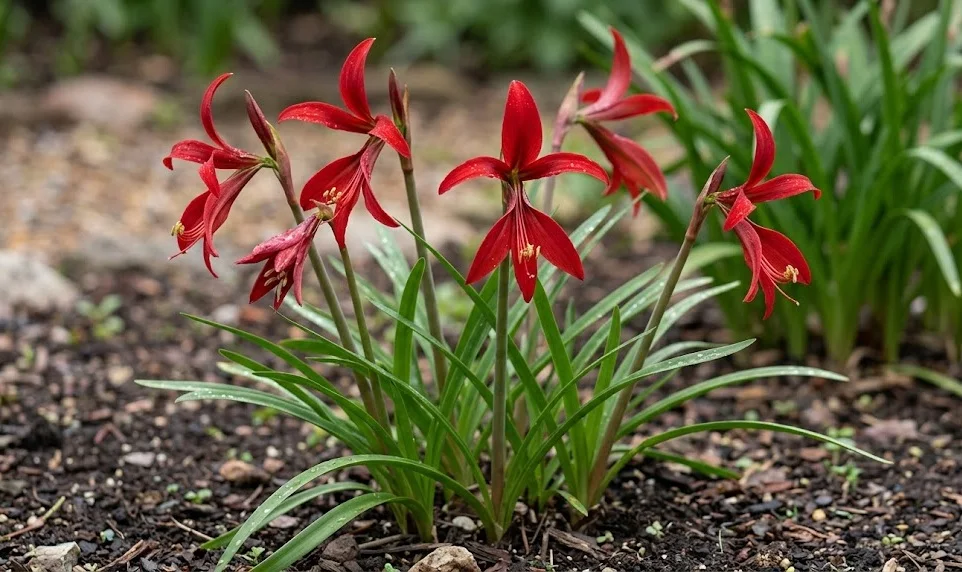

Success with the aztec lily begins long before the first flower appears, starting with the careful selection and preparation of the planting materials. This exotic bulb requires a methodical approach to its initial placement in the soil to ensure a strong start for the root system. Whether you are working with mature bulbs or starting with smaller offsets, the quality of the planting process determines the future health of the entire plant. A professional gardener knows that the foundation laid during the planting phase is the most critical factor for long-term horticultural success.
Preparing bulbs for the initial planting
Before the bulbs even touch the soil, they should be carefully inspected for any signs of physical damage or physiological weakness. You should look for firm, heavy bulbs that feel solid to the touch and show no signs of mold or soft, mushy areas. Any bulbs that feel exceptionally light for their size may be dehydrated or hollow and are unlikely to sprout successfully. Removing any loose, papery outer skins can help you get a better look at the health of the internal tissues.
If you are dealing with bulbs that have been stored for a long period, they may benefit from a brief rehydration process. Placing them on a damp surface for a few hours can help stimulate the dormant cells and prepare them for the moisture in the soil. However, you should never soak the bulbs completely in water, as this can increase the risk of fungal infections before they even begin to grow. A professional approach involves balancing the need for moisture with the necessity of keeping the bulb’s crown dry.
Dusting the bulbs with a light coating of fungicidal powder can be a helpful preventative measure, especially in humid climates. This creates a protective barrier that helps the bulb resist soil-borne pathogens during the critical early stages of root development. You should handle the bulbs with clean hands or gloves to avoid transferring any bacteria or oils that might interfere with their growth. Proper preparation ensures that the plant has the best possible chance of establishing itself quickly and efficiently in its new home.
The timing of the planting is also a key consideration that depends heavily on your local climate and the current season. You should wait until the soil has warmed up sufficiently and there is no longer a risk of frost in the forecast. Forcing bulbs into cold, wet soil often leads to rot rather than growth, as the plant’s metabolism is not yet active enough to handle the moisture. Patience is a virtue in the garden, and waiting for the right conditions will always yield better results than rushing the process.
More articles on this topic
Strategic planting depth and spacing techniques
The depth at which you plant the bulb is one of the most frequently discussed topics among enthusiasts of this specific species. Unlike many other lilies that require deep planting, this bulb prefers to have its “neck” or upper portion sitting at or just above the soil surface. This arrangement prevents moisture from collecting in the top of the bulb, which is a common cause of crown rot in indoor and outdoor settings. A professional rule of thumb is to bury only the bottom two-thirds of the bulb in the growing medium.
Spacing between multiple bulbs should be carefully managed to prevent overcrowding and ensure adequate air circulation between the plants. You should ideally leave at least ten to fifteen centimeters of space between each bulb when planting them in a garden bed or a large container. This distance allows the root systems to expand without competing for nutrients and gives the foliage enough room to spread out. Proper spacing also makes it easier to monitor each individual plant for pests or signs of disease during the growing season.
When placing the bulb in the hole, ensure that the base is in firm contact with the soil to encourage immediate root growth. You should avoid leaving any air pockets directly beneath the bulb, as this can cause the emerging roots to dry out and die. Gently firming the soil around the sides of the bulb provides the necessary stability while maintaining the porous structure of the medium. A well-anchored bulb is less likely to shift or become dislodged during watering or due to wind exposure.
After the bulbs are positioned correctly, a light application of mulch can help maintain consistent soil moisture and temperature. However, you must be careful not to pile the mulch against the exposed neck of the bulb, as this could trap unwanted moisture. Use a coarse material like bark chips or gravel that allows for excellent drainage and air movement. This final touch in the planting process helps create a stable microclimate that supports the bulb through its initial transition into active growth.
More articles on this topic
Propagation through the separation of offsets
One of the most reliable ways to increase your collection of these beautiful plants is through the natural process of offset production. Over time, a healthy mature bulb will produce smaller “daughter” bulbs around its base as part of its reproductive strategy. These offsets are genetically identical to the parent plant and offer a faster way to achieve blooming-sized specimens than growing from seeds. Recognizing when these offsets are ready to be moved is an essential skill for any gardener interested in propagation.
The best time to separate these young bulbs is during the repotting process or when the plant is being lifted for winter storage. You should wait until the offsets have reached at least a third of the size of the parent bulb to ensure they have enough energy to survive on their own. Gently pull or cut the smaller bulbs away from the main base, ensuring that each piece has at least a portion of the basal plate. If the offsets are still very small and tightly attached, it may be better to leave them for another season to mature further.
Once separated, the young bulbs should be treated with the same care as the mature ones, including a period of drying for any cut surfaces. This drying period, often called curing, allows a callous to form over the wound and prevents pathogens from entering the delicate tissue. After a day or two, you can plant these offsets in their own small pots using a high-quality, well-draining seedling mix. Providing them with slightly more consistent moisture than mature bulbs can help them establish their own independent root systems more quickly.
It is important to manage your expectations regarding the flowering time for these newly propagated plants. Most offsets will take at least one or two full growing seasons to reach a size where they are capable of producing their first flowers. During this juvenile phase, focus on providing optimal growing conditions to maximize their rate of development. Watching a small offset grow into a magnificent flowering specimen is one of the most rewarding aspects of specialized bulb gardening.
Growing from seed for genetic diversity
While more time-consuming than using offsets, growing these lilies from seed is a fascinating way to produce a large number of plants. This method allows for a greater degree of genetic variation, which can sometimes result in unique characteristics in the resulting flowers. To start this process, you must first allow the plant to successfully pollinate and produce seed pods after the flowering stage. Once the pods have turned brown and started to split open, the small, black, papery seeds are ready for collection.
The seeds should be sown as soon as possible after harvesting, as their viability tends to decrease over time when stored. You should use a very light and sterile seed-starting mix to prevent any issues with damping off or other fungal diseases. Scatter the seeds thinly on the surface of the soil and cover them with only a very fine layer of sand or vermiculite. Maintaining a consistent temperature of around twenty degrees Celsius will encourage the germination process, which usually takes a few weeks.
Young seedlings require a bright but protected environment where they can grow without the stress of direct, harsh sunlight. You should keep the soil consistently moist but never waterlogged, as the tiny root systems are very sensitive to both drying out and overwatering. As the first true leaves appear, you can begin to introduce a very weak liquid fertilizer to support their rapid development. Patience is key here, as it can take several years of careful nurturing before a seed-grown plant is large enough to bloom.
As the seedlings grow, they will eventually need to be moved into individual pots to give them enough room to develop their own bulbs. This transplanting should be done with extreme care to avoid damaging the fragile young tissues and the developing root system. Each year, the small bulbs will increase in size, bringing them closer to their first spectacular floral display. Although it requires a long-term commitment, propagation from seed is a true test of a gardener’s skill and dedication to the craft.