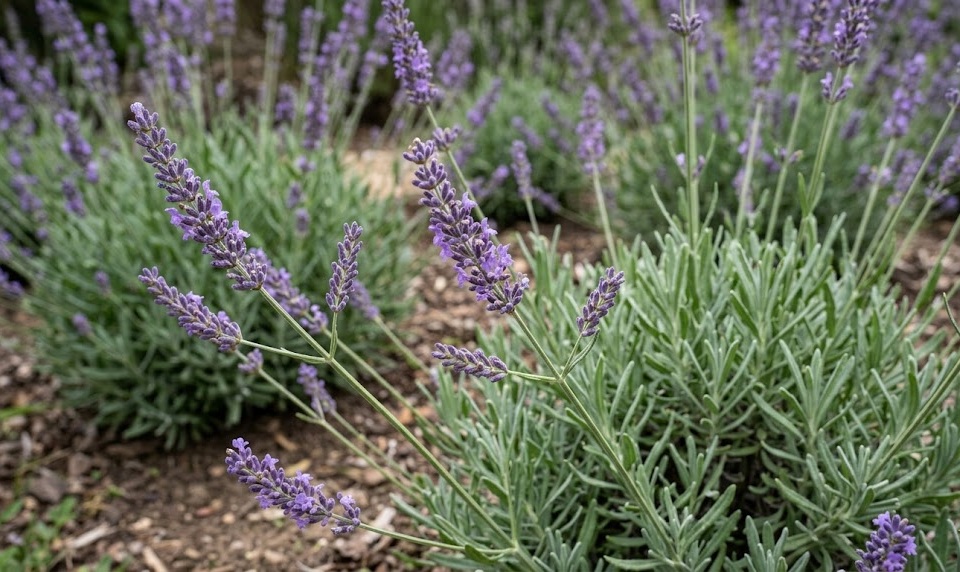

Maintaining the health of english lavender involves a proactive strategy for identifying and managing the various biological threats that can affect this hybrid. While lavender is naturally resistant to many common garden pests due to its high essential oil content, it is not entirely immune to the pressures of disease and insect activity. Most issues arise when the plant is stressed by its environment, making it more vulnerable to opportunistic pathogens and herbivores. Understanding these relationships allows for an integrated management approach that focuses on prevention and minimal intervention.
Fungal pathogens are the most significant threat to lavender, particularly those that thrive in moist or humid conditions. Root rot and crown rot are common consequences of poor drainage or overwatering, often leading to a rapid decline of the entire plant. These soil-borne fungi attack the vascular system, preventing the transport of water and nutrients and causing a distinctive wilting and yellowing of the foliage. Identifying these symptoms early is critical, although by the time they are visible, the damage to the root system is often extensive and difficult to reverse.
Insects that feed on lavender are relatively few, but some can cause noticeable damage or spread viral diseases between plants. Aphids and spittlebugs are among the most common visitors, often appearing on the new, tender growth in the spring. While their direct feeding is rarely fatal to a healthy shrub, they can excrete sticky honeydew that encourages the growth of sooty mold. Larger pests like deer and rabbits generally avoid lavender because of its strong scent and taste, though they may occasionally nibble on young plants if other food sources are scarce.
Environmental stress often mimics the symptoms of disease, making it important to carefully diagnose a problem before applying any treatment. Heat scorch, windburn, and nutrient deficiencies can all cause discoloration or leaf drop that looks similar to fungal or viral infections. A professional approach involves examining the entire environment, including soil moisture, air circulation, and recent weather patterns, to find the root cause of the issue. By correcting the underlying stress, the plant’s natural defenses can often overcome the secondary biological pressures without the need for chemical sprays.
Managing fungal infections and root health
Fungal diseases of the roots and crown are the most frequent causes of failure in lavender cultivation, largely due to the plant’s Mediterranean heritage. Phytophthora and Pythium are two common soil-borne pathogens that thrive in saturated, poorly aerated soils. These fungi enter the plant through the delicate feeder roots and quickly move into the main vascular tissue, effectively choking the plant from the inside out. Prevention is the only truly effective cure, which means ensuring that the soil structure is porous enough to allow for rapid drainage and oxygen exchange.
More articles on this topic
When a plant is affected by root rot, the first symptom is often a localized wilting of one or more branches, even when the soil appears to have enough moisture. Over time, the silver-grey foliage turns a dull yellow or brown, and the stems lose their characteristic firmness. If you suspect root rot, you can carefully remove a small amount of soil around the base to inspect the roots; healthy roots should be firm and white, while diseased roots will be soft, dark, and may have a foul smell. Unfortunately, once the infection has reached the crown, the plant usually needs to be removed and destroyed to prevent the fungus from spreading.
Powdery mildew is another fungal issue that affects the foliage, particularly in areas with high humidity and poor air circulation. It appears as a white, flour-like coating on the leaves and stems, which can eventually lead to leaf drop and a reduction in the plant’s overall vigor. While it is rarely fatal, it significantly detracts from the beauty of the lavender and can weaken the plant over several seasons. Improving the airflow by thinning out the interior of the shrub and ensuring proper spacing between plants is the most effective way to manage this airborne pathogen.
Septoria leaf spot is a less common but still significant fungal disease that causes small, dark lesions on the leaves of the lavender. As the spots enlarge, the center may turn grey, and the entire leaf may eventually yellow and fall off. This disease is often spread by splashing water from rain or overhead irrigation, which carries the spores from the soil onto the foliage. Switching to drip irrigation and maintaining a mulch of gravel or stone can help reduce the amount of soil that splashes onto the lower branches, thereby limiting the spread of the infection.
Identifying and controlling common insect pests
The spittlebug is one of the most visible insects found on lavender, easily identified by the clumps of white, frothy foam it produces on the stems. These small insects, also known as froghoppers, hide within the foam to protect themselves from predators and dehydration while they suck the plant’s juices. While the “spit” can be unsightly, the actual damage to the lavender is usually minimal and does not require the use of insecticides. A strong stream of water from a garden hose is often enough to wash away both the foam and the insects.
More articles on this topic
Aphids can occasionally colonize the young, green tips of the lavender in the early spring, causing the leaves to curl and distort as they grow. These small, soft-bodied insects reproduce rapidly and can spread from plant to plant if left unchecked. However, lavender is a favorite habitat for many predatory insects like ladybugs and lacewings, which usually arrive quickly to keep the aphid population under control. Encouraging a diverse garden ecosystem is the best long-term strategy for managing aphids without disrupting the beneficial insect balance.
In some regions, the four-lined plant bug can cause distinct circular spots on the lavender leaves that look like a disease. These insects use their piercing-sucking mouthparts to inject enzymes into the leaf, which kills the tissue and creates a “bridge” of dead cells. The damage is primarily aesthetic and usually occurs during a short window in the late spring or early summer. Because the insects are fast-moving and difficult to catch, the best approach is often to prune away the most damaged foliage once the bugs have moved on to other plants.
Whiteflies are another occasional pest, particularly for lavender grown in greenhouses or very sheltered garden spots. These tiny, moth-like insects congregate on the undersides of the leaves and can cause yellowing and a loss of vigor if the population becomes too large. Like aphids, they produce honeydew, which can lead to the development of sooty mold on the foliage. Increasing the air movement around the plants and using yellow sticky traps can help monitor and reduce the whitefly population before it becomes a serious problem.
Viral diseases and systemic health issues
Alfalfa mosaic virus is one of the few viral diseases that can affect lavender, often causing bright yellow mottling or streaking on the leaves. This virus is usually spread by aphids as they move between different host plants in the garden or landscape. Infected plants may also show signs of stunted growth and distorted foliage, which can significantly reduce the yield of flowers and oil. Because there is no cure for viral infections in plants, any lavender showing clear symptoms of a virus should be removed and disposed of to protect the rest of the collection.
The health of a lavender plant is a reflection of its entire vascular system, and systemic issues can sometimes arise from non-biological causes. For example, “dieback” is a condition where entire branches of a mature shrub turn brown and die for no apparent reason. This can be caused by a combination of winter damage, old age, and a buildup of internal stresses over several years. While pruning out the dead wood can help, it is often a sign that the plant is reaching the end of its productive life and may need to be replaced soon.
Root-knot nematodes are microscopic roundworms that live in the soil and feed on the roots of many different plants, including lavender. Their feeding causes the roots to develop small galls or swellings, which interfere with the plant’s ability to take up water and nutrients. Infected lavender will look generally unhealthy, with stunted growth and a tendency to wilt even when the soil is moist. Improving the organic matter in the soil and practicing crop rotation can help reduce the nematode population over time, although they are very difficult to eliminate entirely.
Maintaining a clean garden environment is a fundamental part of preventing systemic health issues in lavender. Removing fallen leaves and dead wood from around the base of the plants reduces the overwintering sites for both pests and diseases. Cleaning your pruning tools with a disinfectant between plants is also a professional practice that prevents the accidental spread of pathogens. By focusing on these small but important details, you can create a resilient environment where your lavender can flourish without the need for constant chemical intervention.
Integrated pest management strategies
Integrated Pest Management, or IPM, is a professional approach that combines biological, cultural, and physical controls to manage pests with minimal impact on the environment. For lavender, this starts with choosing resistant varieties and providing the ideal growing conditions that allow the plant to defend itself. A healthy lavender plant has a complex chemical profile that acts as a natural deterrent to many insects and pathogens. By prioritizing soil health and proper irrigation, you are giving the plant the best possible foundation for its natural immune system.
Biological control is a key component of IPM, relying on natural predators to keep pest populations at a manageable level. Many of the insects that visit lavender, such as hoverflies and parasitic wasps, are actually beneficial and play a role in controlling aphids and other small pests. Avoiding the use of broad-spectrum insecticides is essential for protecting these natural allies and maintaining a balanced ecosystem. If a pest problem does arise, localized treatments like insecticidal soap or neem oil can be used with much less impact on the beneficial insect population.
Cultural controls involve adjusting your gardening practices to make the environment less hospitable to pests and diseases. This includes things like thinning the canopy to improve airflow, adjusting the watering schedule to keep the crown dry, and removing weeds that might host pests. These simple actions can often prevent a minor issue from turning into a major outbreak that requires more drastic measures. Being observant and catching problems in their earliest stages is the most important cultural control any gardener can practice.
Physical controls are the most direct way to manage pests and can be very effective for small-scale lavender plantings. Hand-picking larger insects or using a strong spray of water to dislodge aphids and spittlebugs are both simple and effective techniques. Row covers can also be used to protect young plants from certain insects during their most vulnerable growth stages. By combining these different strategies into a cohesive plan, you can manage the health of your lavender in a way that is both effective and environmentally responsible.
Distinguishing environmental stress from disease
One of the most challenging aspects of lavender care is distinguishing between actual diseases and the symptoms of environmental stress. For instance, the edges of lavender leaves can turn brown and crispy during periods of extreme wind and low humidity, a condition known as leaf scorch. While this looks like it could be a fungal infection, it is actually a physical response to the plant losing water faster than it can be replaced by the roots. Increasing the protection from prevailing winds or providing a deep soak can often stop the progression of the scorch.
Nutrient deficiencies can also cause leaf discoloration that mimics the symptoms of various diseases. A lack of magnesium, for example, can cause the areas between the leaf veins to turn yellow, a condition known as interveinal chlorosis. This is often a result of a soil pH that is too acidic, which prevents the plant from absorbing the magnesium that is already present. Before treating for a suspected disease, it is always a good idea to check the soil pH and ensure that the plant’s basic nutritional needs are being met.
Winter damage is another common source of confusion, as the cold can cause branches to turn black or grey and become very brittle. This damage may not be fully apparent until the spring when the rest of the plant begins to grow, leaving the dead areas looking like they are infected. Pruning out this dead wood as soon as it is identified prevents secondary fungi from colonizing the weakened tissue. Understanding the specific cold-hardiness of your lavender variety is key to preventing this type of environmental damage.
Ultimately, a healthy lavender plant is the result of a holistic approach to garden management that respects the plant’s natural adaptations. By providing the right foundation and monitoring for changes, you can catch most issues before they become serious threats. The goal is not to have a perfectly sterile environment, but to have a balanced one where the lavender is strong enough to handle the occasional pest or disease. This resilience is what allows english lavender to remain a cornerstone of the garden for many years to come.

While lavender is naturally resistant to many pests, I have observed occasional issues with spittlebugs in some of our research plots. These small insects produce a frothy substance that covers the stems and can cause some minor distortion of the young growth. However, as the article mentions, the damage is usually purely cosmetic and does not affect the long-term health of the plant. A simple blast of water is often enough to remove the foam and the insects. It’s a good example of how a proactive and observational approach can manage most minor issues without the need for chemicals.
I’ve seen those spittlebugs on my lavender too and was always a bit concerned! It’s reassuring to know that they’re mostly harmless and can be managed so easily. I’ve also found that keeping the area around the base of the plants clear of debris can help reduce the hiding spots for various pests. A tidy garden is often a healthier garden, in my experience. Thank you for the very helpful and practical advice on how to deal with these little foam-makers!
The most serious disease for lavender is almost always Phytophthora root rot, which is directly linked to soil moisture levels. If you see the entire plant wilting while the soil is still wet, it’s a classic sign of this fungal pathogen. Prevention is the only real cure, as there are no effective treatments once the root system has been compromised. This highlights the importance of the drainage and site selection that we’ve discussed in other threads. A well-placed lavender plant is a much more resilient plant that can ward off most issues naturally.
I couldn’t agree more with your point about Phytophthora. It’s the silent killer of many lavender borders, and it’s almost always the result of a mismatch between the plant and its environment. In our professional consulting, we always emphasize the importance of site preparation and proper drainage as the foundation of plant health. A bit of extra work at the beginning can prevent a lot of heartache and expense later on. Thank you for bringing this up; it’s a critical point for any lavender grower to understand.
Has anyone noticed an increase in leaf spot during particularly wet summers? I’ve seen this on some of my clients’ plants in the past, and it seems to be linked to high humidity and poor air circulation. While it doesn’t usually kill the plant, it can make it look quite unattractive and can weaken it over time. I’ve found that a light pruning to improve airflow through the foliage can help prevent the spread of the fungus. It’s another reason why proper spacing and regular maintenance are so important for lavender health.
Don’t forget that as the plants age, they can become more susceptible to various issues as their vigor naturally declines. Regular pruning and maintenance are essential for keeping lavender healthy and productive throughout its lifespan. I also try to rotate my lavender plantings every few years to prevent the buildup of soil-borne pathogens. This is a common practice in commercial lavender production and can be easily adapted for the home garden. It’s a proactive way to ensure that your lavender remains a vibrant and fragrant part of your landscape for many years to come.