
Weeping mulberry is generally a resilient ornamental tree, but it can still suffer from diseases and pests when growing conditions are poor or stress accumulates over time. Most problems begin subtly, with changes in leaf colour, shoot vigour, or canopy density. Early recognition makes management easier and usually reduces the need for harsh intervention. A professional approach combines prevention, accurate diagnosis, sanitation, and support for natural plant resistance.
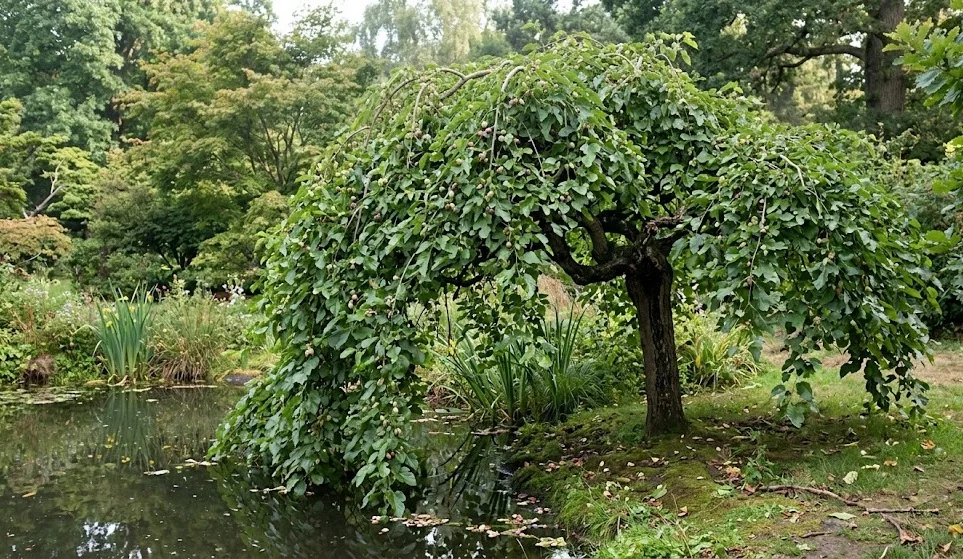
The weeping form can sometimes make monitoring more difficult because the dense hanging canopy hides inner branches. Gardeners should occasionally lift and inspect the branch curtain rather than looking only from a distance. Problems often begin inside the crown where airflow is reduced and humidity stays higher. Regular inspection is one of the simplest ways to protect the tree.
Diseases and pests should not be treated as isolated events. A tree weakened by drought, waterlogging, bark injury, or poor pruning is more likely to develop repeated problems. Improving the site and care routine often reduces pest and disease pressure naturally. Healthy plants are not immune, but they are usually more resilient.
Accurate identification matters before any treatment is chosen. Leaf spots, nutrient deficiencies, drought stress, and pest feeding can sometimes look similar at first glance. Applying the wrong product or pruning unnecessarily can worsen the situation. Observation, timing, and pattern of symptoms provide important clues.
Common leaf diseases and fungal issues
Leaf spot diseases may appear during wet, humid, or poorly ventilated periods. They often show as small brown, black, or irregular marks on leaves. In mild cases, the damage is mostly cosmetic and does not seriously threaten the tree. Severe or repeated infections can weaken the canopy and reduce ornamental quality.
More articles on this topic
Good sanitation is the first line of defence against many leaf diseases. Fallen infected leaves should be collected and removed from beneath the tree. This reduces the amount of disease material that can overwinter and infect new growth later. Composting diseased leaves at low temperatures is not ideal unless the composting process is hot and thorough.
Powdery mildew can develop when air circulation is poor and weather conditions favour fungal growth. It may appear as a pale, powdery coating on leaf surfaces. Although it is often more unsightly than deadly, it can reduce photosynthesis if widespread. Thinning dense growth and avoiding overhead evening watering help reduce risk.
Fungal problems are rarely solved by spraying alone. If the canopy remains congested, shaded, and damp, symptoms may return even after treatment. Pruning for airflow, improving spacing, and managing irrigation are essential. Chemical or biological fungicides should be considered supportive tools rather than substitutes for good culture.
Branch dieback, cankers, and structural decline
Branch dieback can have several causes, including frost injury, drought stress, fungal infection, mechanical damage, or poor graft health. Affected shoots may fail to leaf out, wilt suddenly, or dry from the tips inward. Dead wood should be removed back to healthy tissue. Clean cuts help the tree seal wounds more effectively.
More articles on this topic
Cankers are damaged or diseased areas on bark and branches. They may appear sunken, cracked, discoloured, or swollen. If a canker girdles a branch, the section beyond it may decline or die. Removing infected branches when practical can prevent further weakening.
Pruning tools should be sharp and clean when dealing with dieback or canker symptoms. Disinfection between cuts is sensible when disease is suspected. Ragged cuts and torn bark create larger wounds and may slow recovery. Professional-quality pruning technique is an important part of disease management.
The graft union deserves special attention. Because weeping mulberry is usually grafted, weakness or damage near the graft can affect the entire crown. Cracks, decay, or swelling around this area should be taken seriously. Avoid striking the trunk or graft with tools, stakes, ties, or mowing equipment.
Sap-feeding insects and mites
Aphids may appear on tender new growth, especially in spring and early summer. They feed by sucking sap and can cause curled leaves, sticky honeydew, and distorted young shoots. Light infestations are often controlled naturally by ladybirds, lacewings, hoverflies, and other beneficial insects. Strong water sprays can also dislodge colonies without resorting to insecticides.
Scale insects are more persistent and can be harder to notice. They may look like small bumps attached to stems, branches, or leaves. Heavy infestations weaken growth and may produce honeydew that encourages sooty mould. Careful inspection of inner branches is important because scales often hide in sheltered parts of the canopy.
Spider mites can become problematic in hot, dry conditions. Their feeding may cause fine speckling, dull leaves, and premature leaf drop. Fine webbing may be visible in heavier infestations. Improving hydration and avoiding excessive drought stress can reduce mite outbreaks.
Insect control should protect beneficial organisms whenever possible. Broad-spectrum insecticides can kill natural predators and allow pests to rebound later. Targeted horticultural oils or soaps may be useful when applied correctly and at the right time. Always avoid spraying during extreme heat or when pollinators are active on nearby plants.
Chewing pests, borers, and wildlife damage
Caterpillars and other chewing insects may occasionally feed on mulberry leaves. Small amounts of chewing damage are usually tolerable and do not require treatment. A healthy tree can replace some lost leaf area without long-term harm. Intervention is mainly needed when defoliation is severe or repeated.
Borers are more serious because they attack woody tissues. They are often attracted to stressed, wounded, or declining trees. Signs may include holes in the bark, sawdust-like frass, branch dieback, or general loss of vigour. Preventing stress and bark injury is the best defence against borer problems.
Wildlife can also damage young trees. Rabbits, rodents, or deer may chew bark, shoots, or low branches depending on the garden setting. Trunk guards or protective fencing may be necessary in vulnerable areas. Protection should allow airflow and must not trap moisture against the bark.
Mechanical damage is sometimes mistaken for pest injury. Strimmer cuts, mower wounds, tight ties, and rubbing stakes can all weaken bark and invite secondary problems. Inspect the base of the tree regularly, especially in lawn areas. Preventing physical injury is a simple but often overlooked part of plant health care.
Integrated management and prevention
Integrated pest and disease management begins with the right growing conditions. Full sun, suitable soil, correct watering, and open canopy structure reduce many common problems. A tree growing in balance is less attractive to certain pests and less vulnerable to disease. Prevention is more reliable than repeated rescue treatments.
Regular monitoring should be seasonal. In spring, check new shoots for aphids, frost damage, and early leaf issues. In summer, watch for drought stress, mites, scale activity, and fungal symptoms. In autumn and winter, inspect branch structure, remove dead wood, and clean up fallen debris.
When treatment is necessary, choose the least disruptive effective method. Pruning, washing pests off, improving irrigation, removing infected material, or encouraging beneficial insects may solve many problems. More intensive treatments should be reserved for clear, significant threats. This reduces environmental impact and avoids unnecessary stress on the tree.
A weeping mulberry with recurring problems needs a full care review. Soil, drainage, light, pruning history, mulch, irrigation, and nearby competition should all be assessed. Pests and diseases are often symptoms of a deeper imbalance. Correcting that imbalance is the most professional and sustainable solution.