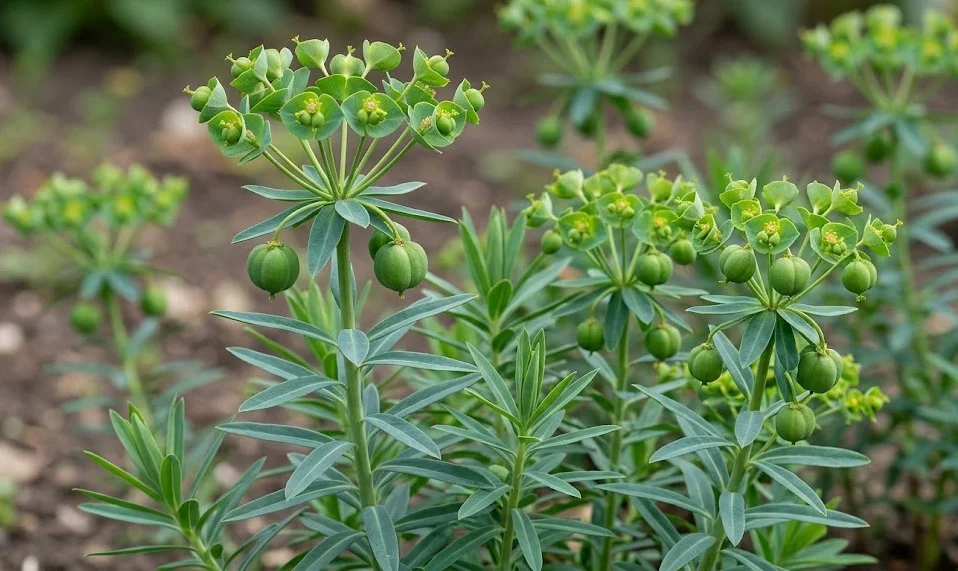

Maintaining the health of the mole plant requires a proactive approach to identifying and managing potential biological threats. Although this species is generally hardy and less susceptible to pests than many other garden plants, it is not entirely immune. Its toxic sap acts as a natural deterrent for many herbivores, but certain specialized insects and fungal pathogens can still cause issues. By staying vigilant and understanding the common signs of distress, you can ensure your plants remain a vibrant part of your landscape.
Fungal diseases are the most frequent challenge when growing this member of the Euphorbia family, particularly in damp or poorly ventilated gardens. Powdery mildew is a common culprit, appearing as a white, flour-like dusting on the leaves and stems during humid weather. While it rarely kills the plant, it can significantly detract from its architectural beauty and weaken its overall vigor. Improving air circulation by proper spacing and avoiding overhead watering are the first steps in preventing this unsightly condition.
Root rot and stem rot are more serious fungal issues that can lead to the rapid death of the mole plant. These problems are almost always caused by excessive moisture in the soil or poor drainage around the base of the plant. You will first notice the lower leaves turning yellow and wilting, followed by a darkening or softening of the main stem near the soil line. Once these symptoms are advanced, it is often impossible to save the plant, and it should be removed to prevent the fungus from spreading.
Botrytis cinerea, also known as gray mold, can sometimes affect the flowers and developing seed pods during exceptionally wet summers. It manifests as a fuzzy gray growth that causes the affected tissues to turn brown and decay. To manage this, remove any infected parts immediately and ensure the area around the plant is clear of fallen debris. Keeping the garden tidy and ensuring that plants are not overcrowded will go a long way in reducing the presence of mold spores.
Common insect pests and their management
While the toxic latex discourages most leaf-eating insects, some species have evolved to tolerate or even utilize these chemicals. Aphids are perhaps the most common pest you will encounter, often clustering on the tender new growth at the top of the stem. They suck the sap from the plant, which can lead to distorted leaves and a sticky residue known as honeydew. A strong blast of water from a garden hose is often enough to dislodge these small insects and keep their population in check.
More articles on this topic
Mealybugs are another potential problem, appearing as small, white, cottony masses in the leaf axils or under the foliage. These pests are more persistent than aphids and can be more difficult to remove once they have established a colony. You can treat localized infestations by dabbing the insects with a cotton swab soaked in rubbing alcohol, which dissolves their protective waxy coating. For larger outbreaks, an insecticidal soap or horticultural oil can be effective if applied according to the manufacturer’s directions.
Spider mites may become an issue during hot, dry periods when the plant is under environmental stress. These tiny arachnids are difficult to see with the naked eye, but their presence is signaled by fine webbing between leaves and a stippled, yellow appearance on the foliage. Increasing the humidity around the plant and ensuring it is well-hydrated can help deter spider mites. If an infestation becomes severe, specialized miticides may be necessary, but these should be used as a last resort in a balanced garden.
Whiteflies can sometimes be found on the undersides of the leaves, flying up in a small cloud when the plant is disturbed. Like aphids, they feed on the sap and can weaken the plant over time if their numbers are allowed to grow unchecked. Yellow sticky traps placed near the plants can help monitor and reduce the adult population of whiteflies. Encouraging natural predators like ladybugs and lacewings in your garden provides a sustainable and effective way to manage these and other minor insect pests.
Viral and bacterial concerns
Viruses are relatively rare in the mole plant but can be devastating when they do occur, often introduced by sap-sucking insects like aphids. Symptoms of a viral infection include mottled or streaked leaves, stunted growth, and strange, distorted flowering patterns. There is no cure for viral diseases in plants, so the only course of action is to remove and destroy the infected specimen. Do not compost viral-infected material, as the virus can sometimes persist and spread to other susceptible plants in your garden.
More articles on this topic
Bacterial soft rot can sometimes occur if the plant sustains physical damage that allows bacteria to enter the internal tissues. This manifests as a mushy, foul-smelling decay that spreads quickly through the stem and leaves. To prevent this, handle the plants carefully to avoid creating wounds and always use sterilized tools for any pruning or maintenance. If you notice a small area of rot, you can try to cut it out with a clean knife, but usually, the entire plant will eventually succumb.
Leaf spot diseases, which can be caused by either fungi or bacteria, appear as small, dark lesions on the foliage. These spots often have a distinct border and may merge together, causing the entire leaf to turn brown and fall off. While usually just a cosmetic issue, severe cases can reduce the plant’s ability to photosynthesize and store energy. Removing the most affected leaves and improving the overall environment of the plant will typically help it outgrow the infection.
The best defense against all types of diseases is to maintain a healthy, stress-free plant from the beginning. A mole plant that is growing in the right soil, receiving adequate light, and not being over-watered will have a much stronger immune system. Think of your garden management as a form of preventative medicine where the goal is to create an environment where pathogens cannot thrive. This holistic approach reduces the need for chemical interventions and promotes a more resilient garden ecosystem.
Environmental stressors and physiological disorders
Not all problems that look like diseases are caused by pathogens; sometimes, the environment itself is the culprit. Sunscald can occur if a plant that has been growing in the shade is suddenly exposed to intense, direct sunlight. This results in bleached or papery patches on the leaves that do not recover but do not spread like a fungus would. If you need to move a plant or change its environment, do so gradually to allow the tissues to acclimate to the new light levels.
Edema is a physiological condition that occurs when the plant takes up more water than it can transpire through its leaves. This leads to small, corky bumps or blisters on the underside of the foliage, which can eventually turn brown. It is most common during cool, cloudy periods when the soil is warm and wet but the air is humid. Adjusting your watering schedule to match the weather conditions will usually prevent edema from developing or becoming a chronic problem.
Nutrient toxicities or imbalances can also cause symptoms that mimic disease, such as yellowing leaves or distorted growth. We have discussed the importance of not over-fertilizing, and these visual cues are the plant’s way of telling you that the soil chemistry is off. Before reaching for a pesticide or fungicide, always consider whether the issue might be related to the soil or the water. A professional diagnosis often begins by ruling out these basic environmental factors before looking for more complex causes.
Wind damage can be a concern for taller second-year plants, leading to snapped stems or a permanent lean. While the mole plant is naturally sturdy, an unusually strong storm can still cause physical trauma that leaves the plant vulnerable to secondary infections. If your garden is prone to high winds, providing a subtle windbreak or a very loose stake can protect the architectural integrity of the plant. Treating any minor cracks or breaks with clean handling will help the plant seal its wounds without rotting.
Integrated pest management strategies
Adopting an Integrated Pest Management (IPM) approach means using a variety of tools to keep pest and disease levels below a damaging threshold. This begins with regular scouting, where you spend a few minutes each week closely inspecting your plants for any signs of trouble. Early detection is the key to successful management, as it is much easier to deal with a few aphids than a full-blown infestation. Keep a small notebook to track when certain issues appear, which can help you predict and prevent future problems.
Encouraging biodiversity in your garden is one of the most effective long-term strategies for pest control. By planting a variety of flowering species, you attract beneficial insects like hoverflies and predatory wasps that will do the work of hunting pests for you. A balanced ecosystem rarely suffers from the extreme pest outbreaks seen in monoculture environments. The mole plant fits well into this strategy, providing its own unique set of attributes while benefiting from the presence of its neighbors.
When intervention is necessary, always start with the least toxic methods first, such as physical removal or simple water sprays. Organic options like neem oil or potassium salts of fatty acids can be used for more persistent problems while minimizing harm to the environment. Always follow the instructions on the label carefully and apply treatments during the coolest part of the day to avoid leaf burn. Use chemical pesticides only as a final resort and only for specific, targeted problems to protect the overall health of your garden.
Finally, remember that some level of insect activity and minor leaf damage is normal and even healthy in a living garden. A perfectly pristine plant is often a sign of an over-treated environment that lacks the natural checks and balances of a thriving ecosystem. As long as your mole plants are growing vigorously and their overall structure is sound, small imperfections can be tolerated. Embracing this mindset allows you to enjoy your gardening experience more while fostering a truly sustainable and resilient landscape.