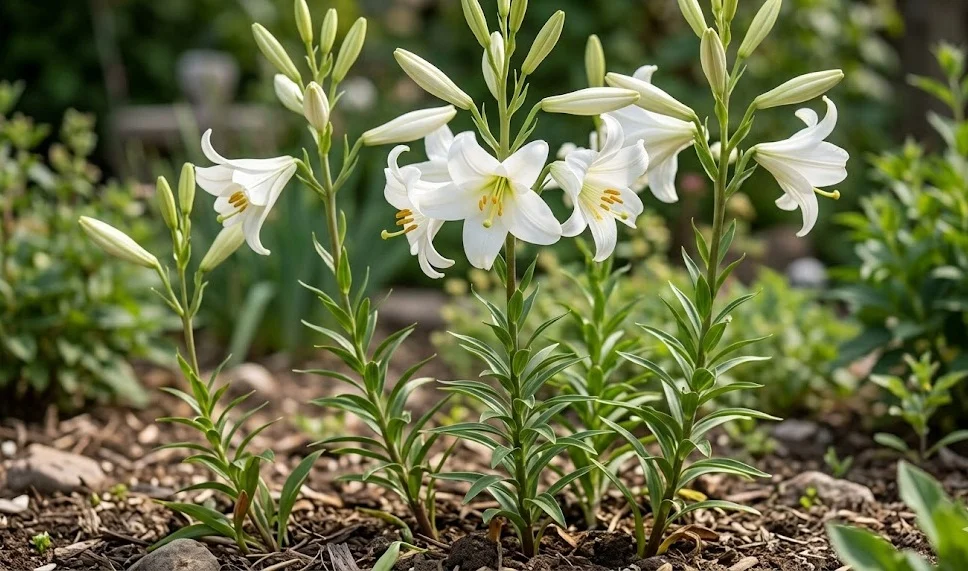

Pruning is a strategic horticultural practice that goes beyond mere aesthetics, playing a crucial role in the health and future productivity of the white lily. Unlike woody shrubs that require extensive structural cutting, the pruning of bulbous plants focuses on managing the life cycle of the foliage and flowers. A professional approach involves knowing exactly when and where to make a cut to maximize the bulb’s energy storage. This careful intervention ensures that the plant remains a vigorous and reliable performer in the garden year after year.
The most immediate form of pruning for the white lily is the removal of faded flowers, a process known as deadheading. By removing the spent blooms before they can develop seed pods, the gardener directs the plant’s energy away from reproduction and back toward the bulb. This energy conservation is vital for the development of a large, healthy bulb capable of producing even more impressive flowers the following season. Professional gardeners make it a habit to check their lilies daily during the peak of the flowering period.
As the season draws to a close, the focus shifts to the management of the stems and the aging foliage. The timing of this final cut is one of the most discussed topics among serious lily enthusiasts and requires a patient approach. Cutting the stems back too early can deprive the bulb of the essential sugars produced by the leaves during the late summer. A professional knows that the visual decline of the foliage is a necessary part of the plant’s natural preparation for its dormant phase.
Proper technique and the use of the right tools are essential for ensuring that every cut is clean and healthy for the plant. Jagged or bruised tissue can serve as an entry point for pathogens and pests, potentially compromising the health of the entire bulb. Designating a specific set of high-quality shears for use on sensitive bulbs is a hallmark of a professional maintenance program. Regular cleaning and sharpening of these tools prevent the accidental spread of disease and ensure the best possible results.
The art and science of deadheading
Deadheading should be performed as soon as the individual flowers begin to lose their waxy luster and start to wither. The cut should be made just below the base of the flower head, leaving as much of the green stem and foliage intact as possible. This selective removal prevents the plant from wasting resources on the production of seeds, which are not needed in most ornamental gardens. The result is a cleaner-looking plant that can focus all its strength on building up its underground reserves.
More articles on this topic
During the process of deadheading, it is also a good time to inspect the remaining buds and foliage for any signs of pests or disease. Any damaged or diseased tissue should be removed immediately and disposed of properly to prevent further issues. This dual-purpose approach to maintenance ensures that the garden remains both beautiful and healthy throughout the summer. A professional gardener is always observant, using every interaction with the plant as an opportunity for assessment.
If the lilies are being grown for use in floral arrangements, the cutting of the stems should be done with a different set of priorities. When harvesting for a vase, it is best to leave at least one-third to one-half of the stem and foliage on the plant in the garden. This remaining greenery is essential for the continued health of the bulb and its ability to recover from the harvest. Using a sharp, clean knife or shears ensures a clean cut that heals quickly and minimizes stress on the plant.
The timing of the harvest also impacts both the longevity of the cut flower and the health of the remaining bulb. For the best results, lilies should be cut in the early morning when the stems are fully hydrated and the buds are just beginning to show color. This professional technique ensures that the flowers open beautifully in the vase and stay fresh for as long as possible. A well-managed lily patch can provide a wealth of fragrant blooms for both the garden and the home.
Managing the end-of-season transition
The natural yellowing of the lily foliage in the late summer is a clear signal that the plant is entering its dormant phase. During this time, the leaves are still hard at work, moving nutrients and sugars down into the bulb for winter storage. It is important to resist the urge to tidy up the garden by cutting back these unsightly stems prematurely. A professional approach involves waiting until the foliage is completely brown and brittle before making the final cut.
More articles on this topic
Once the stem has reached this state, it can be cut back to within an inch or two of the soil surface using a sharp pair of shears. This final cleanup removes the old growth and prepares the bed for its winter dormant period and eventual spring awakening. The removed stems should be cleared away and composted if they are healthy, or destroyed if any disease is suspected. This seasonal ritual is a satisfying conclusion to the year’s horticultural activities.
In some cases, the white lily may produce a basal rosette of green leaves that persists through the late autumn and even into the winter. These low-growing leaves are a unique feature of the species and should generally be left alone rather than being cut back. They play a minor role in the plant’s energy balance and can provide a bit of natural protection for the shallow bulb. Understanding these species-specific nuances is what separates a professional gardener from a generalist.
Regularly assessing the results of your pruning strategy allows for continuous improvement and better results over time. If a bulb seems to be losing vigor over several years, it might be a sign that it is being cut back too heavily or too early. Adjusting the routine in response to these observations is a key part of the professional’s dedication to plant health. A thriving, fragrant lily collection is the ultimate testament to the effectiveness of a well-planned pruning program.
Professional tools and hygiene protocols
The quality of the tools used for pruning and cutting can have a direct impact on the health of the lilies. High-carbon steel blades are preferred for their ability to hold a sharp edge and produce a clean, surgical cut. Dull blades can crush the delicate tissues of the stem, leading to a much slower healing process and a higher risk of infection. Investing in professional-grade equipment is a wise choice for anyone serious about the long-term care of their garden.
Hygiene is equally important, as tools can easily become vectors for the transmission of viral and fungal diseases between plants. A simple solution of seventy percent isopropyl alcohol or a mild bleach solution can be used to disinfect the blades after every few cuts. This practice is especially critical if you are working in a garden with a known history of lily diseases. A professional gardener prioritizes the health of the entire collection by maintaining a strict cleanliness protocol.
Proper ergonomics should also be considered when performing repetitive pruning tasks in a large garden. Using tools with comfortable grips and the correct length can prevent hand fatigue and allow for more precise control over every cut. Taking the time to work slowly and deliberately ensures that no accidental damage is done to the developing buds or the surrounding foliage. Horticultural excellence is often a matter of doing the small things with great care and attention.
Ultimately, the goal of pruning and cutting back is to support the natural elegance and resilience of the white lily. A plant that is managed with professional skill will reward the gardener with consistent performance and timeless beauty. Sharing your techniques and observations with other enthusiasts helps to foster a community of excellence in lily cultivation. The cycle of growth, bloom, and dormancy is a beautiful process that is enhanced by the thoughtful intervention of a skilled practitioner.