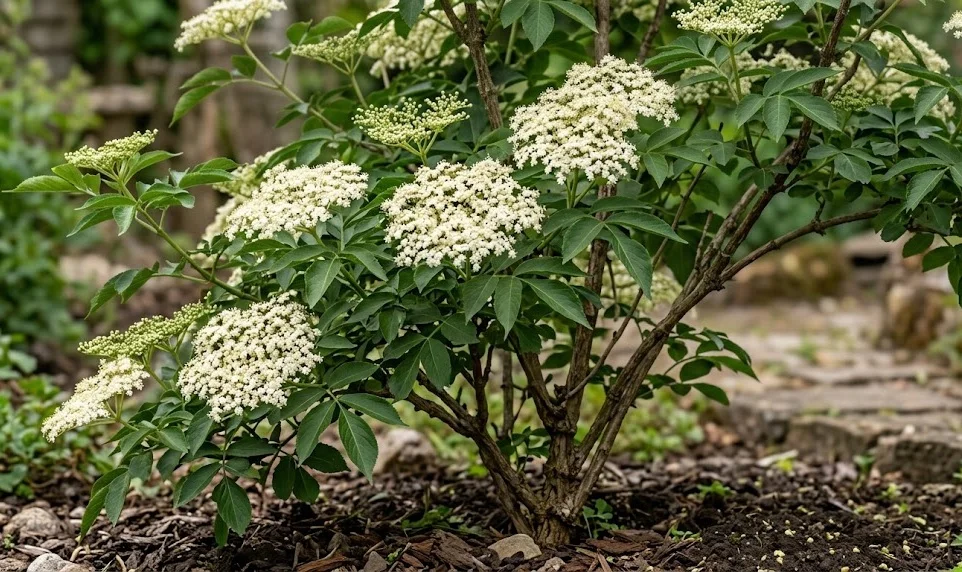

Mastering the art of pruning is the most effective way to maintain the health, vigor, and productivity of your black elderberry shrubs over many years. These plants are fast-growing and can quickly become a dense and unmanageable thicket if they are not given regular attention with a pair of sharp shears. You should think of pruning as a way to direct the plant’s energy toward the most productive wood and away from weak or overcrowded branches. A well-pruned elderberry is not only easier to harvest but also much more beautiful and much less prone to common diseases.
The best time to perform your major annual pruning is in the late winter or very early spring, while the plant is still completely dormant and the branches are bare. This allows you to clearly see the structure of the shrub and identify which parts need to be removed without the distraction of the summer foliage. Pruning during dormancy also minimizes the stress on the plant, as it does not lose any of the energy it has stored in its leaves or active growing tips. Starting your garden year with a fresh and clean pruning session sets the stage for a spectacular explosion of new growth when the weather finally warms up.
Black elderberries produce their best fruit on wood that is two or three years old, while older branches tend to lose their productivity and become more of a burden to the plant. Your goal in pruning is to maintain a continuous cycle of renewal by removing the oldest wood each year and making room for vigorous new shoots to take its place. This practice keeps the shrub young and vibrant, ensuring that you always have a reliable supply of high-quality fruit for your kitchen and medicinal needs. A professional pruning strategy is a long-term investment in the life and health of your valuable elderberry orchard.
Always use high-quality, sharp tools and make your cuts at a slight angle about a half-centimeter above a healthy bud or a branching point. This ensures that water runs off the wound and that the plant can quickly seal the cut with new tissue, preventing the entry of rot and disease. Avoid leaving long “stubs” of wood, as these will die back and can become entry points for pests that want to tunnel into the soft pith of the elderberry stems. Your attention to the technical details of every cut you make is the hallmark of a gardener who truly cares about the well-being of their plants.
Rejuvenation pruning and structural renewal
If you have inherited an old and neglected elderberry that has become a tangled mess of dead wood and weak branches, rejuvenation pruning is the best way to bring it back to life. This involves cutting the entire plant back to within ten or twenty centimeters of the ground, a technique known as “coppicing” in the world of professional horticulture. While it may seem extreme, the black elderberry has a remarkable ability to bounce back from this treatment with an explosion of healthy new shoots from the root system. This radical renewal can transform a struggling and unproductive bush into a vibrant and fruitful member of your garden in just a couple of seasons.
More articles on this topic
For a more gradual approach to renewal, you can use the “one-third rule” where you remove the oldest third of the stems each year over a three-year period. This allows you to maintain some fruit production while slowly replacing the entire canopy with younger and more productive wood. Start by identifying the thickest, most gnarled branches and cutting them off at ground level, leaving the younger and more flexible shoots to continue growing. This method is less of a shock to the plant and is often preferred by home gardeners who want a consistent harvest every year without interruption.
Thinning out the center of the bush is a critical part of rejuvenation that improves light penetration and air circulation throughout the entire plant. Remove any branches that are growing toward the middle of the shrub or crossing and rubbing against each other, as these can create wounds that invite disease. You want the elderberry to have an open, vase-like shape that allows the sun to reach every leaf and the breeze to dry the foliage quickly after a rain. An open canopy is your best natural defense against the powdery mildew and other fungal issues that often plague dense and overgrown shrubs.
Keep a close eye on the “suckers” or new shoots that emerge from the base of the plant and decide which ones you want to keep as part of your renewal strategy. You should select the strongest and best-placed shoots to become the future main branches of the shrub, while removing the weaker or poorly located ones. This selective process ensures that the plant’s energy is not wasted on a massive number of thin and unproductive stems that will only crowd the canopy. Controlling the number of main stems is the key to managing the overall size and productivity of your black elderberry over its long lifespan.
Annual maintenance cuts and thinning
Each year, you should perform a “clean-up” prune to remove any wood that was damaged by the winter, broken by the wind, or affected by pests and diseases. This keeps the plant tidy and prevents minor issues from spreading further into the healthy tissues of the shrub during the active growing season. Look for branches that have no healthy buds or that show signs of fungal cankers and remove them entirely, making sure to sterilize your tools afterward. Regular maintenance is the simplest way to stay ahead of the challenges that nature throws at your garden every year.
More articles on this topic
Thinning the outer canopy is also necessary to prevent the plant from becoming too heavy and breaking under the weight of its own fruit or a summer storm. You can shorten some of the longer and more vigorous branches by cutting them back to a strong side-shoot or a healthy bud that is facing outward. This encourages the plant to grow in a more compact and sturdy form that is easier to manage and less likely to suffer mechanical damage. A well-managed canopy is a sign of a gardener who understands the physical limits and the growth habits of the black elderberry.
During the early summer, you can also perform “soft” pruning by pinching back the tips of the most vigorous new shoots to encourage more branching and a bushier habit. This practice increases the number of potential fruiting sites for the following year and keeps the plant from becoming too tall and difficult to harvest. It is a quick and easy task that can be done while you are walking through your garden, and it makes a big difference in the final shape and productivity of the shrub. Using your hands to guide the growth of your plants is a deeply satisfying part of the gardening experience.
Always remember to step back and look at the overall silhouette of the plant as you prune to ensure that you are maintaining a balanced and attractive shape. You want the elderberry to be a beautiful part of your landscape as well as a productive agricultural crop for your family. A bit of artistry combined with scientific knowledge will result in a shrub that is the pride of your garden and a joy to look at in every season. Pruning is not just a chore; it is a creative process that allows you to partner with nature in the creation of a healthy and bountiful orchard.
Pruning for fruit quality and harvest ease
The final goal of your pruning efforts should be to make the harvest as easy and efficient as possible for yourself and anyone else who helps in the garden. By keeping the productive branches at a manageable height, you avoid the need for ladders and reduce the risk of dropping and bruising the delicate fruit clusters. Most professional growers aim to keep their elderberries between two and three meters tall, which is the perfect height for comfortable hand-picking. A well-planned garden is one that respects the needs of the human gardener just as much as the needs of the productive plants.
By reducing the overall number of berry clusters through thinning, you allow the plant to direct more energy into the remaining fruit, resulting in larger and more flavorful berries. While it might seem counterintuitive to remove potential fruit, the quality of a smaller number of large clusters is often superior to a massive amount of tiny and under-developed berries. This focus on quality over quantity is what separates the expert grower from the novice and results in much better preserves, syrups, and wines. Your palate will thank you for the extra effort you put into your pruning and thinning routines during the spring and summer.
Consistent pruning also ensures that the fruit ripens more evenly across the entire plant because each cluster receives a similar amount of sunlight and airflow. In an unpruned bush, the berries on the outside may be overripe while those in the shaded center are still green and sour, making the harvest much more difficult and less productive. An even ripening schedule allows you to pick the majority of the crop in just one or two sessions, saving you time and energy in the kitchen. Efficiency in the garden leads to more enjoyment and less stress during the busy harvest season for your family.
As you finish your pruning for the year, take a moment to appreciate the clean and healthy structure you have created for your black elderberry shrubs. You have provided them with the best possible start for the coming year and ensured that they will remain a vibrant and productive part of your life for a long time. Pruning is the ultimate act of care and stewardship in the garden, reflecting your commitment to the health and beauty of the natural world. With your sharp tools and expert knowledge, you are ready to enjoy the many rewards that the black elderberry has to offer.