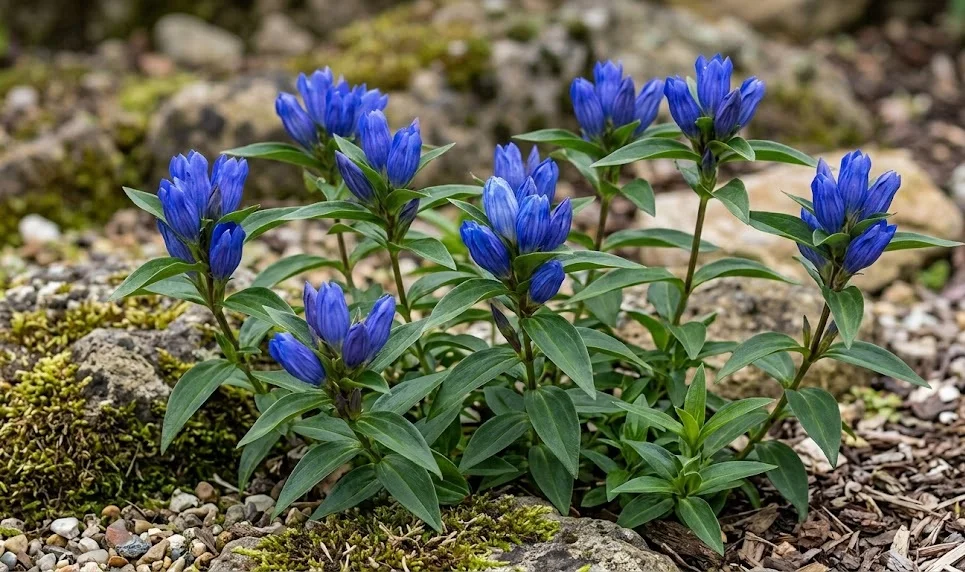

Preparing the makino gentian for the winter months is a straightforward process once you understand the plant’s natural rhythms. This species is quite cold-hardy and is well-adapted to surviving freezing temperatures by entering a state of deep dormancy. During this time, the visible parts of the plant will die back to the ground, but the life remains safe within the root system. Recognizing that this “disappearance” is a normal and healthy phase is the first step for any new grower.
The onset of shorter days and cooler nights in the autumn signals the plant to begin moving its energy from the leaves down into the roots. You will notice the foliage turning from green to shades of yellow and eventually a dull brown color. It is important to let this process happen naturally without interference, as it builds the strength needed for next year. Cutting the plant back too early can deprive the roots of valuable nutrients they need to survive the winter.
Snow cover can actually be a great benefit to the gentian, acting as a natural layer of insulation against the biting wind. In its native mountain home, a thick blanket of snow keeps the ground temperature relatively stable even when the air is much colder. If you live in an area with dry, cold winters without much snow, you may need to provide some artificial protection. The goal is to prevent the soil from repeated cycles of freezing and thawing, which can push the roots out of the ground.
While the plant is dormant, it still requires the soil to have a small amount of moisture to prevent the roots from desiccating. However, the most dangerous situation during winter is not the cold, but rather excessively wet soil that leads to rot. Ensuring that your planting site has excellent drainage is the best insurance policy you can have for a successful wintering period. A plant that spends the winter in a puddle will rarely survive to see the spring sun.
Insulation techniques and mulching
Applying a layer of mulch is one of the most effective ways to protect the crown and roots of your makino gentian from the elements. This protective layer helps to regulate the soil temperature and prevents the “frost heave” that can damage delicate root systems. Ideally, you should wait until the ground has started to freeze before applying the winter mulch to avoid trapping too much moisture. A layer about two to three inches thick is usually sufficient for most temperate climates.
More articles on this topic
Evergreen branches or pine needles are excellent choices for winter mulch because they provide insulation while still allowing for good air circulation. They don’t compact into a heavy, wet mat like some types of deciduous leaves can during a rainy winter. If you use shredded bark, make sure it is loose and not packed down too tightly around the center of the plant. This structure allows the crown to “breathe” even under the protective covering you have provided.
In particularly exposed or windy locations, you might consider using a small wire cage or a cloche to provide an extra layer of physical protection. This can prevent the wind from stripping the moisture from the ground and keeps the mulch from blowing away during storms. If you use a plastic cover, make sure it has plenty of ventilation to prevent the buildup of heat on sunny winter days. The idea is to keep the environment stable and cool, rather than making it artificially warm.
Removing the winter mulch in the spring should be done gradually as the temperatures begin to stabilize and the ground thaws. If you take it all off too early, a sudden late frost could damage the tender new shoots that are starting to emerge. Pay close attention to the local weather forecast and your plant’s progress during this transition period. Once the danger of a hard freeze has passed, you can clear the area to let the soil warm up and encourage growth.
Wintering potted makino gentians
Gentians grown in containers require a bit more attention during the winter because their roots are much more exposed to the cold air. The soil in a pot can freeze and thaw much more rapidly than the ground, which puts a great deal of stress on the plant. If possible, move your potted gentians to a sheltered spot, such as against a south-facing wall or into an unheated garage. This simple move can provide several degrees of extra warmth that might make the difference for the plant’s survival.
More articles on this topic
Burying the entire pot in the ground in a temporary trench is another professional trick for protecting container-grown plants during the winter. This uses the natural insulation of the earth to keep the root ball at a more consistent temperature throughout the season. Cover the top of the buried pot with a layer of mulch or evergreen boughs for even more protection. This method is highly effective for maintaining the health of sensitive specimens in cold regions.
If you must keep your pots above ground, you can wrap them in bubble wrap, burlap, or specialized frost blankets to provide insulation. Make sure the wrapping extends all the way down to the ground and covers the top of the soil as well. It is important to remember that the plant still needs to “breathe,” so don’t seal the wrapping completely airtight. Grouping several pots together also helps create a collective mass that retains heat better than a single isolated container.
Watering potted gentians during the winter is a delicate balance that requires careful monitoring of the weather. While the plant is dormant, it needs very little water, but it should never be allowed to become bone-dry. Check the pots during thaw periods and provide a small amount of water if the soil feels dusty or light. Never water your plants when the temperature is below freezing, as the ice can damage the container and the roots simultaneously.
Spring transition and awakening
The return of the sun and rising soil temperatures will eventually wake your makino gentian from its long winter slumber. This is an exciting time as you start to see the first tiny green points pushing through the soil or the remaining mulch. Once the growth is clearly visible, you can carefully remove any leftover winter debris to give the shoots plenty of room. This cleanup also improves light access and helps the soil warm up more quickly around the base.
Late spring frosts are the biggest threat during this period of awakening, as the new growth is very tender and full of moisture. If a cold snap is predicted after your plant has started growing, it is a good idea to temporarily cover it with a bucket or a frost cloth. Removing this protection during the day is important to prevent overheating once the sun comes out. A little extra vigilance during these few weeks ensures that the early growth isn’t set back by the weather.
As the plant becomes more active, you can slowly begin to increase your watering routine to support the expanding foliage. The energy for this initial growth comes mostly from the stores in the roots, but the plant still needs hydration to move those nutrients. Avoid the temptation to apply heavy fertilizer at the very first sign of life; wait until the plant has established a few inches of growth. This allows the root system to catch up with the needs of the new stems naturally.
This is also the perfect time to evaluate how well the plant survived the winter and if any adjustments are needed for next year. If you noticed that a particular spot stayed too wet, you might consider moving the plant or improving the drainage before the summer. Gardening is a continuous learning process, and the spring transition provides the best feedback on your wintering strategies. With the right care, your gentian will return stronger and more beautiful every year.