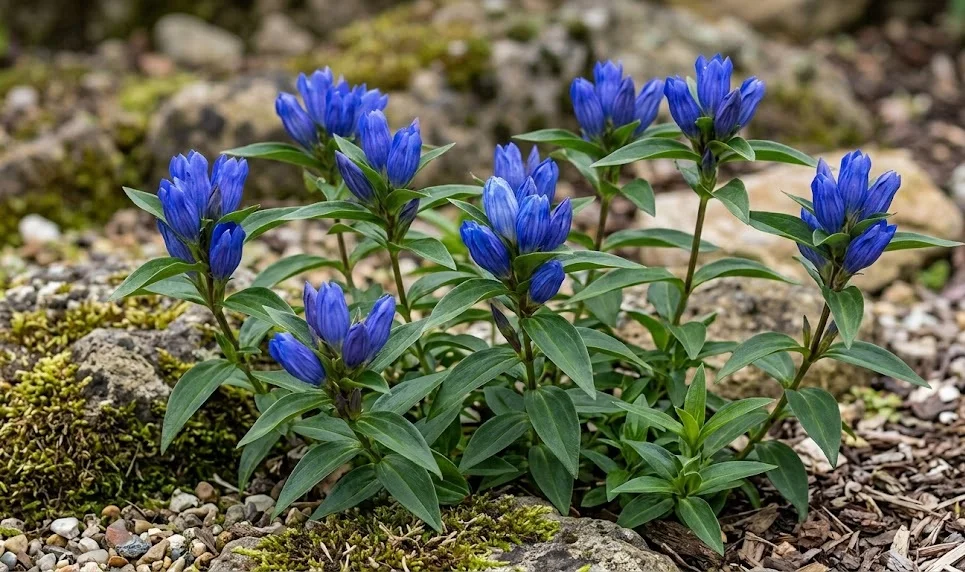

Fungal diseases are among the most common health challenges that growers of the makino gentian will face during the season. These issues often arise during periods of high humidity combined with poor air circulation around the base of the plant. Powdery mildew is a frequent culprit, appearing as a white, dusty coating on the surface of the green leaves. Early detection is absolutely critical to preventing the fungus from spreading and weakening the entire plant.
If you notice signs of infection, the first step is to remove any heavily damaged foliage to reduce the number of spores. Be careful not to shake the affected leaves, as this can inadvertently spread the fungus to neighboring healthy plants. Improving the airflow by thinning out surrounding vegetation can also create a much less hospitable environment for fungi. These simple cultural adjustments are often the most effective way to manage minor outbreaks without chemicals.
Leaf spot is another fungal condition that can manifest as small, dark circles on the foliage of the gentian. These spots can eventually merge, causing the entire leaf to wither and drop prematurely from the stem. This disease is often spread by water splashing from the soil onto the lower leaves during rain or irrigation. Keeping the soil covered with a clean mulch can act as a physical barrier and significantly reduce the infection rate.
In persistent cases, you may need to use an organic fungicide to get the situation under control for the season. Look for products containing sulfur or copper, which are traditional and effective choices for many garden fungal issues. Always follow the instructions carefully and apply the treatment during a cool part of the day to avoid leaf burn. Prevention through proper spacing and careful watering remains the best strategy for long-term fungal management.
Dealing with soil-borne pathogens and rot
Crown rot is a devastating condition that can kill a healthy makino gentian in a very short amount of time. It is usually caused by excessive moisture at the base of the plant, especially during the cool, dormant months. The first sign of trouble is often a sudden wilting of the plant even when the soil feels adequately moist. Upon closer inspection, the base of the stems may appear mushy, discolored, or have a foul smell.
More articles on this topic
To prevent this, ensure that your planting site has excellent drainage and that the crown is not buried under heavy soil. If you catch the rot early, you might be able to save the plant by clearing away some of the soil to let the crown dry out. However, if the damage is extensive, it is usually best to remove the infected plant entirely. Do not plant another gentian in the same spot without first amending the soil and improving the drainage.
Root rot works silently beneath the surface and is often the result of waterlogged conditions in the deeper soil layers. A plant suffering from root rot will show a general lack of vigor and may eventually turn yellow or stop growing. Because the roots are damaged, the plant cannot take up the nutrients and water it needs to survive. Improving the soil structure with grit or organic matter is the best long-term solution for preventing this subterranean issue.
When removing a diseased plant, always dispose of it in the trash rather than in your home compost pile. Composting infected material can keep the pathogens alive and spread them to other parts of your garden later. It is also a good practice to clean your gardening tools with a mild disinfectant after working with a sick plant. Hygiene is a powerful tool in the fight against invisible garden enemies that hide in the soil.
Common garden pests and their impact
Aphids are small, sap-sucking insects that are frequently found on the tender new growth and flower buds of the gentian. They can cause the leaves to curl and become distorted, which ruins the aesthetic appeal of the plant. Furthermore, aphids can act as vectors for various viral diseases that are much harder to treat than the insects themselves. A strong blast of water from a garden hose can often knock them off and keep their numbers in check.
More articles on this topic
Slugs and snails are another major threat, especially to young seedlings and the fresh shoots emerging in the spring. They are attracted to the succulent foliage and can consume a significant amount of plant material in a single night. Because they are mostly active after dark, you might only see the tell-tale shiny trails they leave behind the next morning. Using physical barriers like copper tape or crushed eggshells can help protect your precious plants from these nocturnal visitors.
Spider mites can become a problem during hot, dry spells when the plant is already under some environmental stress. These tiny pests are hard to see with the naked eye, but you may notice fine webbing on the undersides of the leaves. Infected foliage often takes on a stippled or bronzed appearance as the mites drain the life from the cells. Increasing the local humidity around the plant can make the environment much less attractive to these specific pests.
The presence of ants around your gentians often indicates a hidden population of aphids or other sap-sucking insects. Ants actually “farm” these pests for the sweet honeydew they produce and will protect them from natural predators. By managing the aphid population, you will usually find that the ants also disappear on their own. Observing the interactions between different insects in your garden can provide valuable clues about the overall health of your ecosystem.
Natural and organic control methods
Encouraging beneficial insects into your garden is one of the most effective and sustainable ways to manage pests. Ladybugs, lacewings, and hoverflies are all voracious predators of aphids and other small, soft-bodied insects. By planting a variety of flowers that provide nectar and pollen, you can create a habitat that supports these natural guardians. This biological control method reduces the need for interventions and keeps the garden in a healthy balance.
Neem oil is a popular organic choice for treating a wide range of both insect pests and fungal issues on gentians. It works by disrupting the life cycle of the insects and preventing them from feeding or reproducing on the plant. Because it is derived from a natural source, it is generally safe for the environment when used correctly and sparingly. Always test a small area of the plant first to ensure there is no adverse reaction to the oil.
Insecticidal soaps are another gentle yet effective tool for managing infestations of aphids, mites, and whiteflies. These soaps work by breaking down the outer shell of the insects on contact, leading to their dehydration. It is important to apply the soap directly to the pests for it to be effective, as it has no residual action once dry. Regular monitoring and spot-treatment can prevent a few bugs from turning into a major disaster for your garden.
Hand-picking larger pests like slugs or caterpillars is a simple and highly effective method for small garden collections. Taking a stroll through the garden in the evening with a flashlight can help you catch these intruders in the act. While it may be a bit more labor-intensive, it is the most targeted way to protect your plants without any chemicals. Every pest you remove by hand is one less individual that can reproduce and cause future problems.
Preventive measures and plant hygiene
The best defense against both diseases and pests is to maintain the overall health and vigor of your makino gentian. A plant that is growing in the right soil, receiving enough water, and getting the proper light is much more resilient. Stress is often the gateway that allows pests and diseases to gain a foothold and cause significant damage. Focus on getting the environmental basics right, and many potential problems will simply never occur.
Proper spacing between plants is essential for ensuring good air circulation and reducing the spread of infections. When plants are crowded together, moisture stays trapped in the foliage for much longer after a rain. This creates a perfect breeding ground for fungal spores and provides a safe hiding place for many different insects. Giving each gentian enough room to breathe is a simple yet very effective preventive measure for every gardener.
Keeping the area around your plants clean and free of fallen leaves or debris is another important part of plant hygiene. Old plant material can harbor diseases and provide a winter home for pests like slug eggs or fungal spores. A quick cleanup at the end of each season can significantly reduce the pressure on your plants the following spring. Think of it as a fresh start for your garden that sets the stage for a healthy year of growth.
Always inspect new plants thoroughly before bringing them into your garden or planting them near your established gentians. It is much easier to treat a small problem on a single pot than to deal with a widespread issue in your landscape. If you see any suspicious spots or insects, keep the new plant in quarantine for a week or two to be safe. Vigilance at the beginning saves a tremendous amount of work and frustration in the long run.