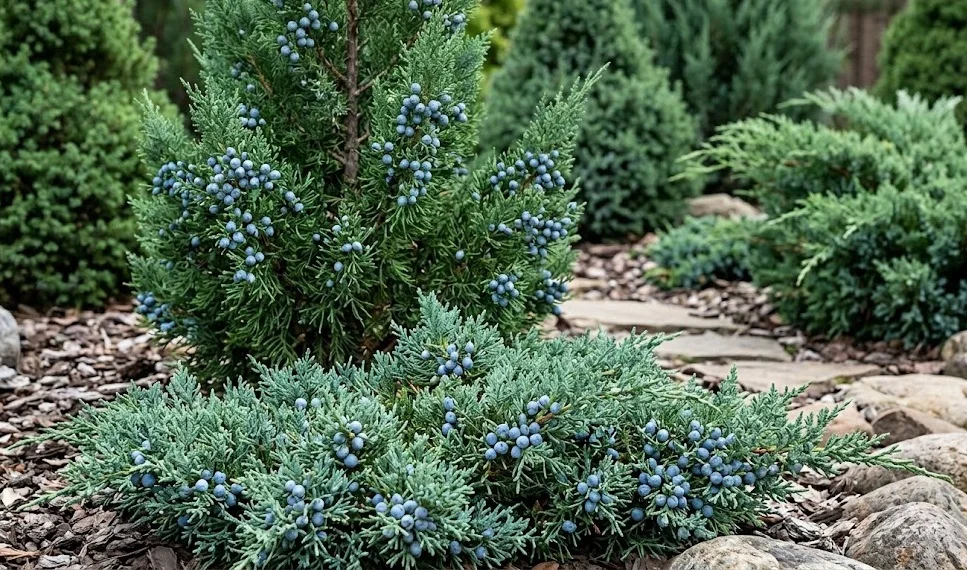

The transition into the cold months presents a unique set of physiological challenges for the Chinese juniper, an evergreen that remains biologically active even in sub-zero temperatures. Unlike deciduous trees that shed their leaves to conserve energy and moisture, junipers must maintain their foliage throughout the winter, leaving them vulnerable to desiccation and physical damage. Professional winter care is not just about protection from the cold; it is about managing the relationship between the plant, the soil, and the often harsh winter atmosphere. By taking proactive steps in the autumn, you can ensure your specimens emerge in the spring with their health and beauty intact.
Winter hardiness in Chinese junipers is generally excellent, but this does not mean they should be neglected as the thermometer drops. One of the most common causes of winter damage is “winter burn,” which occurs when the roots are frozen and cannot replace the moisture lost through the needles on sunny, windy days. This phenomenon is essentially a form of dehydration that happens in the middle of winter, leading to unsightly browning of the foliage. Understanding this mechanism allows a professional gardener to implement strategies that mitigate the risk before the first freeze.
The physical weight of snow and ice is another significant concern, particularly for upright or multi-stemmed varieties that can be easily splayed or broken. While a light dusting of snow can be aesthetically pleasing, a heavy, wet accumulation can cause permanent structural deformation. Designing a winter care plan includes both physical support for the branches and careful monitoring during extreme weather events. This hands-on approach is what separates a professional landscape from one that is left to fend for itself against the elements.
Finally, the preparation phase in late autumn is the most critical window for winter success. This is the time to ensure the plant is fully hydrated and that the soil environment is stabilized with a fresh layer of mulch. Avoiding late-season growth stimulated by nitrogen is also a key professional tactic, as tender new shoots are the first to succumb to frost. By following a structured wintering protocol, you can relax during the coldest months, knowing your Chinese junipers are well-prepared for whatever nature throws their way.
Hydration and soil preparation for the cold
The single most important task for winterizing a Chinese juniper is ensuring the root zone is thoroughly hydrated before the ground freezes solid. Once the soil is frozen, the plant can no longer take up water, meaning it must rely on the moisture stored in its tissues and the immediate area. In the weeks leading up to the first hard frost, you should provide deep, slow soakings that penetrate the entire root system. This “water bank” is the plant’s primary insurance policy against the drying effects of cold winter winds and bright winter sun.
More articles on this topic
Applying a fresh, three-inch layer of organic mulch around the base of the plant is another essential step for winter success. This mulch acts as an insulating blanket, helping to keep the soil temperature more stable and delaying the freezing process as long as possible. A stable soil temperature reduces the risk of “frost heaving,” where the ground repeatedly freezes and thaws, potentially damaging or exposing the delicate surface roots. Be sure to spread the mulch out to the drip line of the plant to cover the entire active root area.
While you are preparing the soil, it is also a good time to do a final check for any lingering pests or diseases that might try to overwinter. Clearing away any fallen debris or leaf litter from the interior of the plant and the soil surface helps to eliminate hiding spots for unwanted visitors. This sanitation work reduces the chance of a sudden outbreak in the spring when the plant is trying to focus its energy on new growth. A clean start for the winter leads to a much healthier transition when the weather eventually warms up.
It is also wise to avoid any significant pruning or fertilization in the two months leading up to the expected first frost date. Pruning can stimulate a “healing response” that diverts energy away from the plant’s natural hardening-off process. Similarly, fertilizer can trigger a flush of soft growth that has no chance of maturing before the cold hits, leading to guaranteed winter kill. Let the plant naturally slow its metabolism and enter its dormant phase without any artificial interference.
Physical protection against wind and snow
For Chinese junipers planted in particularly exposed or windy locations, creating a physical windbreak can be a lifesaver. A simple screen made of burlap wrapped around stakes can deflect the harshest winter gusts that pull moisture from the evergreen needles. This is especially important for young plants or those that were recently transplanted and have not yet established a deep root system. Ensure the burlap does not actually touch the foliage, as this can trap moisture and lead to fungal issues or ice buildup.
More articles on this topic
Managing snow load is a task that requires both preventative measures and active intervention during the winter. For upright, pyramidal varieties, you can gently wrap the plant with soft twine or specialized garden netting to keep the branches tucked in. This prevents the weight of heavy snow from pulling the branches away from the central leader and causing them to snap or lose their shape. The twine should be snug enough to provide support but loose enough not to constrict the bark or damage the needles.
During and after a heavy snowstorm, it is a professional practice to gently brush the snow off the branches of your junipers. Use a soft broom or your hands and always work from the bottom of the plant upward to avoid overloading the lower branches with snow from above. Never try to shake or beat the ice off a frozen branch, as the wood is extremely brittle in the cold and will snap easily. If the ice is frozen solid to the needles, it is usually better to leave it and let it melt naturally once the temperature rises.
For spreading or groundcover junipers, the primary concern is not breakage but rather “smothering” under a thick, icy crust for an extended period. While a layer of fluffy snow can actually act as a great insulator, a dense, frozen layer can limit gas exchange and encourage mold. If you notice a thick ice crust forming over your low-growing junipers, you might carefully break it up to allow some air to reach the foliage. This attention to detail ensures that even the most humble groundcovers emerge from winter in peak condition.
Managing the effects of winter sun and salt
The winter sun can be surprisingly intense, and its reflection off the snow can lead to “sunscald” on the bark of young Chinese junipers. This occurs when the sun warms the bark during the day, causing the cells to become active, only for them to be killed by a rapid temperature drop at night. Protecting the trunks of young, thin-barked specimens with white tree guards or burlap wraps can help reflect the sun and keep the bark at a more stable temperature. As the plant ages and the bark becomes thicker and more corky, this becomes less of a concern.
In urban areas or near driveways, the use of de-icing salts can pose a significant threat to evergreens during the winter. Salt spray from passing vehicles or runoff from treated sidewalks can accumulate on the needles and in the soil, leading to chemical burns and root damage. If your junipers are in a high-salt area, you may want to set up a temporary plastic barrier to catch the spray during the winter months. In the spring, it is a good idea to thoroughly wash the foliage and flush the soil with fresh water to remove any salt residue.
Monitoring the color of your junipers throughout the winter can provide early warnings of environmental stress. While some varieties naturally take on a bronze or purplish hue in the cold, a sudden transition to a dull, straw-like brown usually indicates desiccation. If you experience a mid-winter thaw where the ground melts, don’t be afraid to give your junipers a quick drink of water. This small intervention can be the difference between a plant that thrives in the spring and one that struggles to recover.
Professional wintering is about being a partner to the plant during its most vulnerable time of the year. By understanding the specific stresses of your local winter climate, you can tailor your protection strategies to match the needs of your Chinese junipers. Each winter survived is a testament to the plant’s resilience and the gardener’s expertise. These evergreen stalwarts provide the backbone of the winter garden, and they deserve the extra care required to keep them standing tall.
Spring transition and post-winter assessment
As the days lengthen and the ground begins to thaw, your focus shifts toward helping the Chinese juniper transition back into its active growth phase. The first step is to remove any protective wraps, twine, or windbreaks as soon as the threat of extreme cold has passed. Leaving these covers on for too long in the warming spring sun can create a greenhouse effect that encourages premature growth or fungal infections. Let the plant feel the natural movement of the air and the increasing intensity of the spring light.
Conduct a thorough inspection of the entire plant to assess any winter damage that may have occurred despite your best efforts. Look for broken branches, areas of brown foliage, or any signs of bark splitting that might have been caused by temperature fluctuations. Any dead or broken wood should be pruned out immediately with sharp, clean tools to prevent it from becoming an entry point for pests. Don’t be too quick to prune out foliage that is just slightly bronzed, as it may green up again as the sap begins to flow.
The first watering of the spring should be a deep, thorough soaking to help flush out any accumulated salts and rehydrate the entire root zone. This is also the ideal time to refresh the mulch layer if it has thinned out over the winter months. As the soil warms, the microbial activity will increase, and the plant will begin to look for the nutrients it needs for the upcoming growth flush. A light application of a balanced, slow-release fertilizer in early spring provides the necessary fuel for this transition.
By the time the new, bright green tips appear on the branches, you will know that your wintering efforts have been a success. The Chinese juniper is a remarkably rewarding plant to guide through the seasons, and its winter form is just as important as its summer brilliance. Each year, you will learn more about how your specific plants react to the unique challenges of your garden’s winter. This ongoing learning process is what makes horticulture such an engaging and professional pursuit.