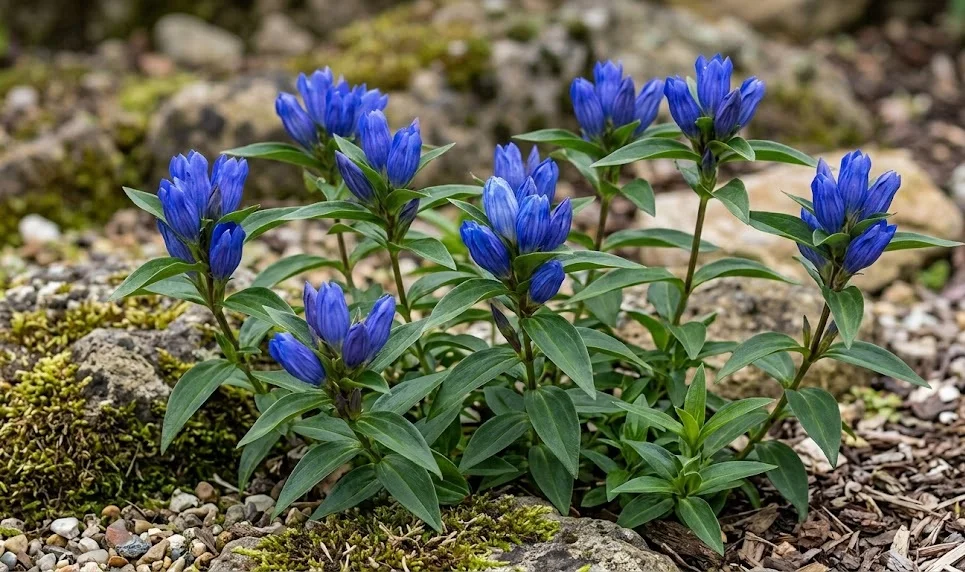

Watering the makino gentian correctly is perhaps the most nuanced part of its daily care routine. This plant prefers a consistent level of moisture that mimics the damp, cool soils of its native mountain habitats. It is vital to avoid the “thirst and flood” cycle, as this creates stress that can weaken the plant over time. Finding the middle ground where the soil is always slightly damp but never saturated is the ultimate goal.
The frequency of your watering will depend heavily on the type of soil you have and the local weather conditions. Sandy soils will require more frequent attention, while loamy soils will hold onto moisture for much longer. Always check the soil moisture levels manually by sticking a finger an inch or two into the ground. If the soil feels dry at that depth, it is definitely time to provide some hydration to the plant.
When you water, aim the stream at the base of the plant rather than over the top of the leaves. Wetting the foliage frequently can encourage the growth of fungal diseases like powdery mildew or leaf spot. Early morning is the ideal time for irrigation, as it allows any accidental moisture on the leaves to dry quickly. Evening watering should be avoided if possible, as the dampness can linger throughout the cool night.
Deep watering is much more beneficial for the plant than light, frequent sprinkles that only wet the surface. By providing a slow, steady flow of water, you encourage the roots to grow deeper into the earth. Deeper roots make the plant much more resilient during periods of drought or extreme summer heat. A well-hydrated plant will have firm, upright stems and vibrant flowers that last much longer.
Managing seasonal watering needs
During the spring, the water requirements of the makino gentian will gradually increase as the plant wakes up. This is the period when new shoots are forming and the plant is building its structure for the year. It is important to ensure the soil doesn’t dry out completely during this initial burst of energy. As the temperatures rise, you will find yourself checking the moisture levels more frequently each week.
More articles on this topic
The heat of summer brings the greatest challenge for maintaining the proper hydration levels for your gentians. On particularly hot or windy days, the plant can lose moisture through its leaves very quickly. You may need to water every day or even twice a day if the plant is in a container or a very sunny spot. Watch for signs of wilting in the afternoon, which is a clear signal from the plant that it needs help.
As the flowering season begins in late summer, the plant needs a stable supply of water to support the blooms. If the soil becomes too dry during this time, the flower buds may drop before they have a chance to open. Maintaining a steady moisture level ensures the display is as long-lasting and colorful as possible. Once the flowers fade, you can begin to slowly reduce the frequency of your watering sessions.
In the autumn, as the plant moves toward dormancy, its need for water decreases significantly as its metabolic rate slows down. However, it is a mistake to stop watering entirely while the ground is still warm and the roots are active. A final deep watering before the first hard freeze helps the plant enter the winter in a healthy state. Dry roots are actually more susceptible to damage from freezing temperatures than hydrated ones.
Understanding nutrient requirements
The makino gentian is not a heavy feeder, but it does benefit from a regular supply of essential nutrients. In its natural environment, it receives a steady stream of minerals from decaying organic matter and mountain runoff. In a garden setting, we must replicate this by providing a balanced diet through the soil. A soil that is too lean will result in small plants with very few flowers and pale leaves.
More articles on this topic
Nitrogen is important for the early season growth and the development of healthy, green foliage. However, too much nitrogen can lead to excessive leaf growth at the expense of the beautiful blue flowers. Phosphorus is the key nutrient for encouraging strong root systems and a prolific bloom cycle later in the year. Potassium helps the plant build overall resilience and improves its ability to handle environmental stresses like cold.
Trace elements like magnesium and iron are also necessary for the long-term health and color intensity of the gentian. If these are missing from the soil, the plant may show signs of stress even if the main nutrients are present. Using a high-quality compost or a specialized mineral supplement can ensure these minor but vital needs are met. Always look for signs of nutrient imbalance, such as strange patterns on the leaves, to guide your feeding.
The timing of fertilizer application is just as important as the type of nutrients you provide to the plant. It is best to start feeding in the early spring as the new growth emerges from the ground. Avoid fertilizing late in the season, as this can encourage soft new growth that will be damaged by the winter. A well-timed feeding schedule works in harmony with the plant’s natural life cycle and energy needs.
Application methods for fertilizers
Using organic matter is often the best way to provide long-term nutrition for your makino gentians. Well-rotted compost or leaf mold can be spread as a top-dressing around the base of the plant each spring. This method slowly releases nutrients as the organic material breaks down throughout the entire growing season. It also improves the soil structure and supports the beneficial microbes that the plant relies on.
Liquid fertilizers can be used as a supplement during the peak growing months if the plant needs an extra boost. These are absorbed quickly through the roots and can provide a fast response if a deficiency is suspected. When using liquid feeds, always dilute them to at least half the strength recommended on the package. Gentians can be sensitive to high concentrations of salts found in many commercial synthetic fertilizers.
Slow-release granules are another convenient option for gardeners who prefer a more “set it and forget it” approach. These granules are mixed into the top layer of soil and release nutrients every time the plant is watered. This provides a very steady and predictable supply of food that lasts for several months at a time. It is a great way to ensure the plant never experiences a sudden drop in available nutrients during the summer.
Regardless of the method you choose, always water the plant thoroughly before and after applying any type of fertilizer. Applying nutrients to dry soil can cause chemical burns to the sensitive root hairs of the gentian. Watering afterward helps wash the nutrients down into the root zone where they can be most effectively used. This simple step protects the health of the plant while maximizing the benefits of the feeding.
Recognizing and correcting imbalances
Being able to read the signs that your plant is giving you is a hallmark of a truly skilled gardener. If the lower leaves of your makino gentian start turning yellow while the veins stay green, it might be a nitrogen deficiency. On the other hand, if the leaves are dark green but the plant refuses to bloom, you might have too much nitrogen. Adjusting your feeding routine based on these visual cues can quickly bring the plant back into balance.
Stunted growth and poor root development are often signs that the plant is lacking in phosphorus. This can be common in very acidic soils where phosphorus becomes chemically locked and unavailable to the plant. Adding a bit of bone meal or a phosphorus-rich organic amendment can help correct this over time. It is always better to address these issues slowly rather than trying to fix them with one heavy dose.
Edges of the leaves that look burnt or brown can sometimes indicate a potassium deficiency or an excess of fertilizer salts. If you suspect an over-fertilization issue, the best course of action is to flush the soil with plenty of clean water. This helps wash away the excess salts and gives the roots a chance to recover in a cleaner environment. Take a break from feeding for several weeks until the plant shows signs of new, healthy growth.
If you find that your plant is consistently struggling despite your best efforts, a professional soil test might be necessary. This will give you an exact breakdown of what is missing or what might be present in toxic amounts. Knowing the exact composition of your soil removes the guesswork and allows for a targeted approach to care. A healthy, balanced soil environment is the greatest gift you can give to your makino gentians.