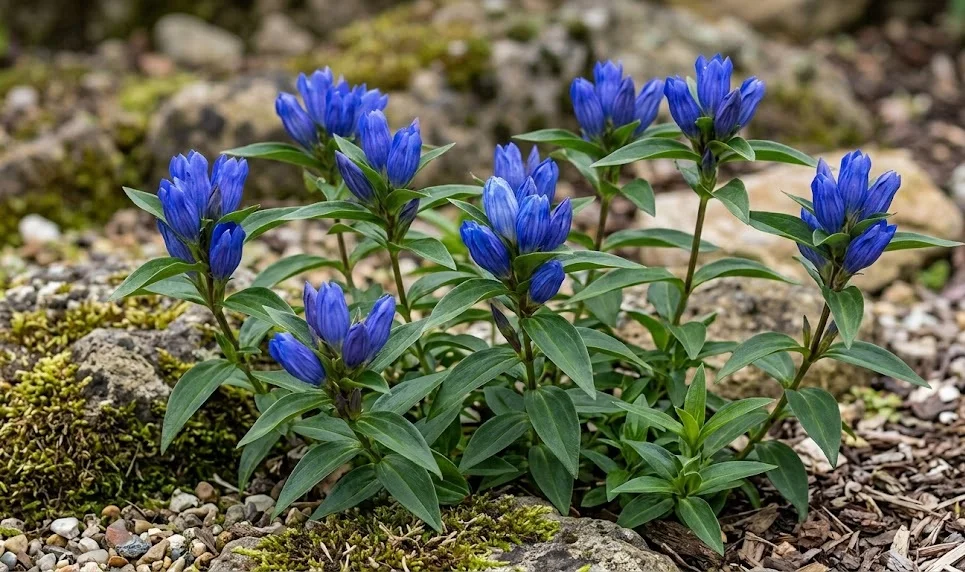

Caring for the makino gentian is a rewarding endeavor for any gardener who appreciates the deep blue hues and unique structure of this hardy perennial. This plant originally hails from Japan and brings a certain level of elegance to rock gardens or border displays. While it is known for its resilience, understanding its specific needs is the key to ensuring it thrives for many years. Proper attention to detail during the initial growth phase will result in a stunning display of color during the late summer months.
Success with this species often depends on mimicking its natural mountainous habitat as closely as possible. It is important to remember that these plants prefer consistency in their environment rather than extreme changes. Providing a stable foundation allows the root system to establish itself deeply and securely. This stability is the primary factor in determining how well the plant will handle the heat of summer.
Maintaining the health of the foliage is just as important as encouraging the iconic bell-shaped flowers. You should regularly inspect the leaves for any signs of discoloration or wilting which might indicate stress. Healthy leaves should maintain a vibrant green color throughout the entire growing season. When the foliage looks robust, the plant is much more likely to produce a prolific amount of blooms.
Experienced gardeners often find that patience is a virtue when working with this particular variety of gentian. It may take a season or two for the plant to reach its full potential and show its true character. However, once established, it becomes a reliable part of the garden landscape with minimal daily intervention. Consistency in basic care routines is always more effective than occasional, heavy maintenance.
Soil and substrate requirements
The foundation of a healthy makino gentian lies in the quality and composition of the soil it inhabits. It requires a substrate that is rich in organic matter but also provides exceptional drainage to prevent waterlogging. A mixture of loam, peat, and a bit of sharp sand often creates the perfect balance for root development. Soil that stays too heavy or compacted will quickly lead to health issues that are difficult to reverse.
More articles on this topic
Acidity levels in the soil play a significant role in the overall vitality of the plant and the intensity of its blue flowers. These gentians generally prefer a slightly acidic to neutral pH range to absorb nutrients effectively. If the soil is too alkaline, you might notice the leaves turning yellow, a condition known as chlorosis. Adding leaf mold or specialized compost can help maintain the desired acidity over the long term.
Aeration within the root zone is another critical factor that should not be overlooked by the enthusiast. Roots need access to oxygen just as much as they need moisture and nutrients to function. Heavy clay soils should be amended with organic grit or perlite to improve the internal structure. This ensures that even during periods of heavy rain, the roots do not suffocate in standing water.
Mulching around the base of the plant can significantly improve the quality of the topsoil over time. Organic mulches like shredded bark or pine needles break down slowly and feed the soil microorganisms. This process creates a living ecosystem that supports the plant’s growth naturally and sustainably. Additionally, a good layer of mulch helps regulate the soil temperature during the hottest parts of the year.
Climate and microclimate considerations
The makino gentian is adapted to temperate climates where the summers are not excessively scorching and the winters provide a clear period of rest. It thrives in locations where the air remains somewhat humid, reflecting its origins in cool, moist regions. If you live in an area with very dry air, placing the plant near water features can help. This small adjustment creates a microclimate that keeps the plant refreshed during the day.
More articles on this topic
Temperature fluctuations can sometimes cause the plant to react by slowing down its growth or delaying flowering. It is best to choose a spot in the garden that is protected from harsh, drying winds that can strip moisture from the leaves. A sheltered position near larger perennials or low walls can provide the necessary windbreak. This protection allows the stems to grow upright and strong without the risk of breaking.
Humidity is a frequently misunderstood factor in the success of these mountain-dwelling plants. While they do not enjoy being soaked, they appreciate a certain level of moisture in the atmosphere around them. Grouping plants together can create a small pocket of higher humidity through the process of transpiration. This collective environment helps the gentian maintain its turgidity and prevents the edges of the leaves from crisping.
In regions with particularly hot summers, the microclimate must offer some relief from the midday sun. Ideally, the plant should experience the coolness of the morning and the protection of shade during the peak heat hours. This balance prevents the soil from drying out too quickly and protects the delicate petals. Monitoring the local weather patterns will help you decide if additional temporary shading is required.
Seasonal care transitions
As spring begins, the focus shifts toward waking the plant up and encouraging new growth from the base. This is the ideal time to clear away any debris or old mulch that may have accumulated during the winter months. Applying a light layer of fresh compost will provide the energy needed for the initial sprout. Watching for the first signs of green is always an exciting moment for the dedicated gardener.
Summer care is primarily centered around moisture management and protecting the plant from environmental stress. This is the period when the gentian puts most of its energy into developing flower buds and expanding its foliage. Regular checks for pests and diseases are essential during the warmer months when activity is at its highest. Providing a steady environment will ensure that the late summer bloom is as spectacular as possible.
Autumn marks the transition into dormancy and the preparation for the colder months ahead. Once the flowering period has concluded, the plant will naturally begin to turn yellow and eventually brown. This is a normal part of the life cycle and indicates that nutrients are being moved back into the roots. Reducing the frequency of care tasks during this time allows the plant to settle down for its rest.
Winter care is largely passive, but it is still important to ensure the site remains undisturbed. If the area is prone to heavy snow, the weight can actually provide a layer of insulation for the roots. However, in regions with wet, ice-heavy winters, some form of physical protection might be necessary to prevent crown rot. Understanding the specific challenges of your local winter will help you prepare the plant effectively.
Managing plant vigor and growth
To keep a makino gentian looking its best, it is important to monitor its growth patterns year after year. A vigorous plant will produce multiple stems and a dense cluster of foliage that covers the ground. If you notice the plant becoming sparse or leggy, it may be a sign that it needs more nutrients or better light. Adjusting the surrounding environment can often restore the plant’s natural vitality and strength.
Competition from weeds can sap the energy of the gentian and should be managed proactively throughout the season. Because these plants grow relatively slowly, they can easily be overwhelmed by faster-growing invasive species. Hand-weeding is the safest method to ensure that the delicate root system of the gentian is not disturbed. Maintaining a clean area around the base also improves airflow and reduces the risk of disease.
The physical structure of the plant can sometimes benefit from gentle support if the flower heads become particularly heavy. While the stems are generally sturdy, extreme weather or unusually large blooms can cause them to lean. Using small, inconspicuous stakes or surrounding the plant with low-growing brush can provide the necessary stability. This ensures the beauty of the blue flowers remains at eye level for everyone to enjoy.
Long-term vigor is often maintained by ensuring the plant has enough space to expand without being crowded by neighbors. Over time, the clump may grow large enough that the center begins to lose its productivity. Observing the density of the growth will help you determine when it might be time for more advanced maintenance. Keeping the plant in its prime requires a keen eye for these subtle changes in growth habits.
Aesthetic integration in the garden
The stunning blue color of the makino gentian makes it a versatile choice for many different garden styles and themes. It looks particularly striking when planted in groups, creating a sea of color that draws the eye from a distance. Because of its height and form, it serves as an excellent middle-ground plant in a mixed perennial border. Its unique texture provides a wonderful contrast to softer, feathery foliage nearby.
Rock gardens are perhaps the most natural setting for this species, as they mimic its native rocky slopes and alpine meadows. Placing them among grey or light-colored stones helps the deep blue of the flowers pop even more vividly. The stones also serve a functional purpose by keeping the roots cool and providing a stable moisture level. This combination of beauty and function is a hallmark of thoughtful garden design.
Consider pairing the gentian with plants that have silver or lime-green foliage for a sophisticated color palette. The cool tones of the gentian flowers harmonize perfectly with metallic leaf shades, creating a very calming atmosphere. Alternatively, planting them near late-blooming yellow flowers can create a high-contrast look that is very energetic. Exploring these different combinations allows the gardener to express their personal style through the landscape.
Finally, the placement of these plants should take into account the perspective from which they will be viewed. Since they bloom later in the season, they are perfect for filling gaps left by early-blooming spring flowers. Positioning them near paths or seating areas allows you to appreciate the intricate details of the individual blossoms. Every garden has a perfect spot for this blue gem if you look for it.
Professional tips for long-term health
Achieving lasting success with the makino gentian often involves a few specialized techniques used by experienced horticulturists. One such tip is to avoid disturbing the root ball once the plant has become established in its permanent home. These plants have a sensitive relationship with the soil fungi and bacteria that support their growth. Frequent moving or transplanting can disrupt this balance and lead to a significant decline in health.
Another professional secret is the use of rainwater instead of tap water whenever possible for irrigation. Tap water often contains minerals and chemicals that can slowly alter the pH of the soil over time. Rainwater is naturally soft and slightly acidic, making it the ideal choice for these specific perennials. Setting up a simple rain barrel system can provide a sustainable and healthy water source for your entire garden.
Observations throughout the year are the most powerful tool a gardener has for maintaining plant health. Keeping a simple garden journal to record blooming dates, weather conditions, and growth rates can be incredibly helpful. This data allows you to spot trends and identify potential problems before they become serious. Over the years, this record becomes a personalized manual for your specific garden and its unique conditions.
Lastly, always source your plants from reputable nurseries that specialize in alpine or perennial varieties. Starting with a healthy, well-propagated specimen gives you a significant advantage from the very first day. Plants that have been grown in conditions similar to your own garden will adapt much more quickly. Quality at the start is the best investment you can make for the future of your landscape.