
Watering and fertilizing the asiatic dayflower are two of the most critical tasks for any gardener who wants to maintain a high-quality display. This plant has a natural affinity for moisture, yet it requires a balanced approach to nutrition to prevent it from becoming overly aggressive or leggy. Understanding the specific timing and methods for delivering these essential resources will make the difference between a struggling plant and a thriving one. By following professional guidelines, you can ensure that your garden remains a vibrant and healthy environment all season long.
Establishing an effective irrigation strategy
The primary goal of watering this species is to maintain a consistent level of moisture in the soil without ever allowing it to become saturated. You should aim to keep the earth feeling like a wrung-out sponge, which provides the roots with both water and the oxygen they need to breathe. During the heat of the summer, you may find that the plant requires more frequent attention, especially if it is growing in a sunny location. Checking the soil moisture by hand every couple of days is the best way to stay ahead of the plant’s needs.
The timing of your irrigation can have a significant impact on the health and appearance of the foliage throughout the day. It is always best to water in the early morning hours, as this allows the leaves to dry off before the sun gets too intense. Watering at night should generally be avoided, as prolonged moisture on the leaves can create an environment that encourages fungal growth. By establishing a morning routine, you align your care with the natural metabolic cycle of the plant.
When you do water, you should focus on delivering the moisture directly to the base of the plant rather than spraying the entire area. Using a soaker hose or a drip irrigation system is a highly efficient way to ensure the water reaches the root zone where it is needed most. This targeted approach not only saves water but also keeps the flowers from being weighed down or damaged by a heavy overhead spray. Professional gardeners always prioritize deep, localized watering over shallow and frequent misting.
You must also be prepared to adjust your irrigation schedule based on the prevailing weather conditions in your local area. During periods of heavy rain, you should skip your regular watering to prevent the soil from becoming waterlogged and causing root rot. Conversely, in a drought, you might need to increase the volume of water you provide to keep the plant from wilting and losing its vigor. Being responsive to the environment is a hallmark of an expert who understands the dynamic needs of their garden.
More articles on this topic
Understanding the nutritional requirements
Feeding your dayflowers correctly requires a focused approach that prioritizes long-term soil health over quick-fix chemical boosts. This species is not particularly demanding when it comes to nutrients, but it will certainly reward you with better growth if the soil is fertile. You should start by ensuring that your soil is rich in organic matter, which provides a natural and slow-release source of essential elements. Well-rotted manure or garden compost is often all that is needed to keep the plants happy and productive.
If you choose to use a supplemental fertilizer, you should look for a balanced, all-purpose formula with an equal ratio of nitrogen, phosphorus, and potassium. Nitrogen is important for healthy green foliage, while phosphorus supports strong root development and prolific flowering. Potassium helps the plant build overall resilience and improves its ability to withstand environmental stress and disease. Applying a weak solution of a balanced fertilizer once a month during the growing season is usually more than enough.
You must be careful not to over-fertilize, as an excess of nitrogen can cause the plant to produce a massive amount of leaves at the expense of its flowers. Over-fed plants can also become quite weak and floppy, making them more susceptible to damage from wind or heavy rain. It is always better to provide too little fertilizer than too much, as you can easily add more if the plant shows signs of deficiency. Observing the color and texture of the leaves will tell you everything you need to know about the plant’s nutritional status.
Liquid fertilizers are a great option for providing a quick boost if you notice the growth slowing down unexpectedly in mid-summer. You should apply these products in the early morning or late evening to avoid any potential foliage burn from the sun. Always follow the manufacturer’s instructions for dilution to ensure you are providing a safe and effective dose for your plants. A professional approach to fertilization involves moderation and a clear understanding of what the plant actually needs to thrive.
More articles on this topic
Managing water quality and delivery methods
The quality of the water you use in your garden can also play a role in the long-term health of your asiatic dayflowers. In some areas, tap water can be quite hard or contain high levels of chlorine and other minerals that might affect the soil pH over time. If possible, collecting and using rainwater is the ideal solution, as it is naturally soft and free from chemical additives. Your plants will generally respond better to the natural minerals found in rain, leading to more robust and resilient growth.
When using a watering can or a hose, you should aim for a gentle flow that doesn’t displace the soil or damage the delicate creeping stems. A rose attachment on your watering can or a soft spray setting on your hose nozzle will help distribute the water more evenly. You should avoid using high-pressure streams that can create holes in the garden bed or splash mud onto the lower leaves. Taking a slow and steady approach to watering ensures that the moisture penetrates deeply into the earth.
Mulching is a professional technique that works hand-in-hand with your irrigation strategy to keep the garden healthy. A layer of organic mulch acts like an insulating blanket, slowing down the evaporation of moisture from the soil surface. This means you won’t have to water as often, and the plant’s roots will enjoy a more stable and temperate environment. Over time, the mulch will break down and contribute to the overall fertility of the soil, providing a dual benefit for your garden.
In very sandy soils, you might find that water drains away too quickly before the roots have a chance to absorb it. In this case, you should consider incorporating more organic matter into the soil to improve its water-holding capacity. You can also try “pulse watering,” where you apply a small amount of water, wait for it to soak in, and then apply more a few minutes later. This technique ensures that the moisture reaches the deeper layers of the soil where the primary roots are located.
Recognizing and correcting moisture imbalances
Being able to identify the early signs of water stress is a vital skill for anyone managing a garden with dayflowers. When the plant is too dry, you will notice the leaves beginning to curl at the edges or take on a dull, grayish-green appearance. If the drought continues, the stems may lose their turgidity and start to droop significantly toward the ground. You should respond to these signals immediately by providing a thorough and deep watering to help the plant recover its strength.
On the other hand, over-watering can be just as damaging and is often harder to correct once it has reached an advanced stage. Signs of too much water include yellowing of the lower leaves and a general lack of vigor in the new growth. If you notice a foul smell coming from the soil or see mushrooms sprouting around the base of the plant, the area is likely too wet. In this situation, you must stop watering immediately and take steps to improve the drainage of the site.
Nutrient deficiencies can also manifest as changes in the appearance of the foliage, which you might mistake for water issues. For example, a lack of nitrogen often causes the entire plant to turn a pale, sickly yellow color over time. A phosphorus deficiency might result in dark green or even purplish tints on the older leaves, along with a significant reduction in flowering. By carefully diagnosing these symptoms, you can provide the specific remedy needed to get your plant back on track.
If you are unsure whether your plant needs water or food, you can always perform a simple “scratch test” on the soil and the stem. Scratch the soil about an inch deep to see if it is truly dry or just dry on the surface before you reach for the hose. For nutrients, look at the newest leaves; if they are healthy and green, the plant is likely getting what it needs from the soil. Professional gardening is all about making informed decisions based on the evidence provided by the plants themselves.
Long-term soil management for sustainable growth
The key to professional-level watering and fertilization is to think about the long-term health of the entire garden ecosystem. Instead of seeing these tasks as isolated chores, you should view them as part of a continuous cycle of soil enrichment. Regularly adding compost and organic mulches builds a soil structure that naturally regulates moisture and nutrient availability. This proactive approach reduces your workload over time and creates a more resilient garden that can handle weather extremes.
You should consider the use of cover crops or “green manures” during the off-season to protect and feed the soil when the dayflowers are dormant. These plants help prevent soil erosion and keep the microbial life in the earth active throughout the winter months. When you turn these crops into the soil in the spring, they release a wealth of nutrients that will support the next generation of plants. This sustainable practice is used by top agricultural professionals to maintain high levels of productivity without excessive chemical inputs.
Testing your soil every few years is a wise investment that can save you money on unnecessary fertilizers and prevent nutrient imbalances. A professional soil test will give you a detailed breakdown of the mineral content and the organic matter levels in your garden beds. With this information in hand, you can tailor your fertilization strategy to fill the specific gaps in your soil’s profile. It takes the guesswork out of gardening and ensures that every application you make is targeted and effective.
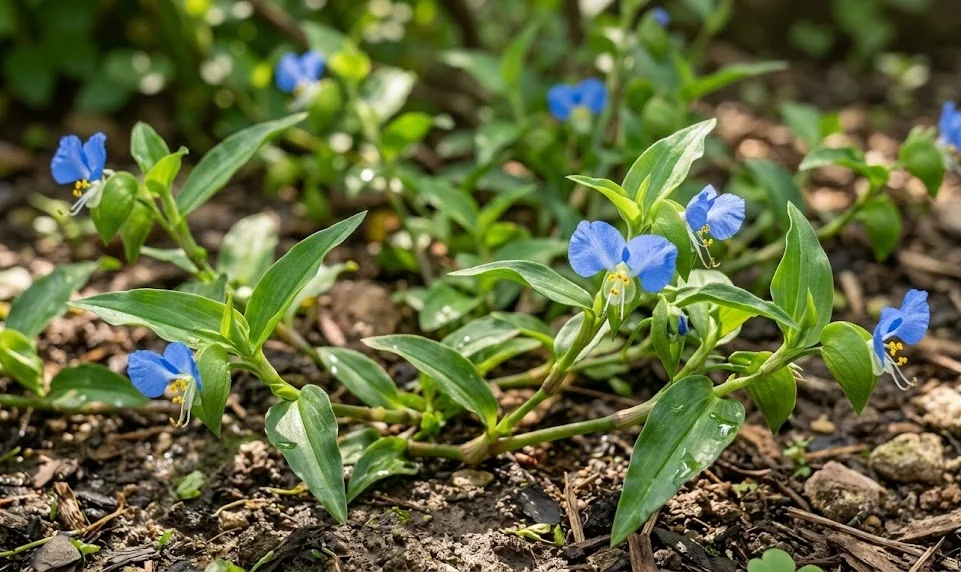
Ultimately, the most successful gardeners are those who pay close attention to the subtle cues their plants and soil provide. By mastering the art of watering and fertilizing, you create a foundation for beauty that will last for years to come. The asiatic dayflower is a grateful recipient of such care, rewarding you with its unique blue blossoms day after day. Your commitment to expert maintenance will be reflected in the lush, vibrant landscape you have created with your own hands.