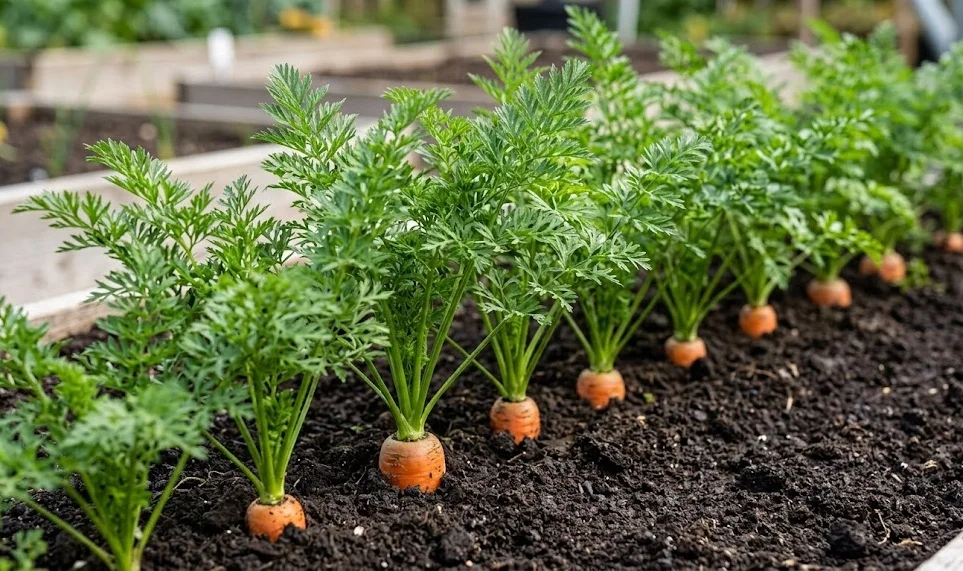

Protecting a carrot crop from biological threats requires a proactive and vigilant approach throughout the entire growing season. Because the most valuable part of the plant is hidden underground, many diseases and pests can do significant damage before you even realize there is a problem. Professionals rely on a combination of cultural practices, biological controls, and careful monitoring to keep their crops healthy. Understanding the life cycles of common threats is the first step in developing an effective defense strategy.
Diseases in carrots are often caused by fungal, bacterial, or viral pathogens that thrive in specific environmental conditions. Moisture management is frequently the deciding factor in whether a disease will take hold or remain dormant in the soil. When the foliage stays wet for too long or the soil becomes waterlogged, the natural defenses of the plant are compromised. A professional gardener focuses on creating an environment that favors the plant while making it difficult for pathogens to reproduce.
Pests, ranging from microscopic nematodes to highly mobile insects, can attack every part of the carrot plant from the root to the leaf. Some pests cause direct damage by consuming the plant tissue, while others act as vectors for debilitating diseases. Identifying the specific pest is crucial because a treatment that works for a beetle may be completely ineffective against a fly larva. Regular scouting and the use of physical barriers are among the most effective ways to manage these unwanted visitors.
Integrated Pest Management (IPM) is the professional standard for dealing with these challenges in a sustainable way. This approach prioritizes non-chemical methods, such as crop rotation and the use of beneficial insects, before turning to targeted interventions. By understanding the ecosystem of your garden, you can often prevent outbreaks from occurring in the first place. Consistency in observation and a quick response time are your best tools in the battle against carrot diseases and pests.
Managing fungal and bacterial pathogens
Fungal diseases, such as leaf blight and powdery mildew, are among the most common issues facing carrot growers worldwide. Leaf blight typically appears as small, dark spots on the foliage that eventually cause the leaves to wither and die. This loss of photosynthetic capacity directly leads to smaller, stunted roots at harvest time. To combat this, you should ensure proper plant spacing and avoid overhead watering, which keeps the leaves dry and less hospitable to fungal spores.
More articles on this topic
Sclerotinia rot, also known as “white mold,” is a devastating soil-borne fungus that can cause carrots to rot both in the field and in storage. It appears as a white, cottony growth on the crown of the plant, often accompanied by small, black resting bodies called sclerotia. Because this fungus can survive in the soil for many years, crop rotation is the most effective long-term management strategy. You should avoid planting carrots in the same spot where other susceptible crops, like beans or lettuce, were grown recently.
Bacterial soft rot is another serious concern, especially in warm and excessively wet conditions. This pathogen enters the root through small wounds or bruises and quickly turns the interior into a mushy, foul-smelling liquid. This often happens if the soil is compacted or if the carrots are handled roughly during the harvest process. Improving soil drainage and using clean tools are the primary ways to prevent the spread of bacterial soft rot in your vegetable beds.
Cavity spot is a unique fungal disease that creates small, sunken lesions on the surface of the carrot root. While it doesn’t always kill the plant, it makes the carrots unmarketable and difficult to clean for culinary use. This disease is closely linked to high soil moisture and low calcium levels, so managing these factors is essential for control. Some professional growers use targeted fungicides in severe cases, but maintaining a healthy soil balance is usually the preferred method.
Identifying and controlling the carrot fly
The carrot rust fly is perhaps the most notorious pest for anyone trying to grow high-quality root vegetables. The adult fly is small and inconspicuous, but it lays its eggs in the soil near the base of the carrot plants. Once the eggs hatch, the larvae tunnel into the developing roots, creating rusty-looking trails and making the carrots inedible. Because the damage is internal, you often don’t realize your crop is infested until you pull the carrots out of the ground.
More articles on this topic
The primary defense against the carrot fly is the use of physical barriers, such as fine-mesh insect netting or horticultural fleece. These covers must be installed immediately after sowing and kept securely in place until the harvest to prevent the flies from reaching the soil. The mesh must be fine enough to exclude the flies while still allowing light and water to reach the plants. This simple physical solution is far more effective than any chemical spray currently available to home gardeners.
Timing your planting and harvesting can also help you avoid the peak activity periods of the carrot rust fly. These insects typically have two or three generations per season, with the first flight occurring in late spring and the second in mid-summer. By delaying your main planting until after the first flight has passed, you can significantly reduce the risk of a major infestation. Harvesting your carrots before the final generation of larvae has a chance to tunnel deep into the roots is another professional tactic.
Companion planting is often cited as a natural way to deter the carrot fly by masking the scent of the carrots. Interplanting carrots with strong-smelling crops like onions, leeks, or garlic is believed to confuse the flies as they search for a host. While the scientific evidence for this is mixed, many experienced gardeners swear by the results of this diverse planting strategy. It certainly adds to the overall health of the garden ecosystem and makes efficient use of your growing space.
Combatting soil-borne pests and nematodes
Nematodes are microscopic roundworms that live in the soil and can cause significant damage to the root systems of carrots. The root-knot nematode is particularly problematic, as it causes the carrots to develop small galls or swellings on the roots. This leads to severe forking, stunting, and a general lack of vigor in the affected plants. Because they are invisible to the naked eye, a professional soil test is the only way to confirm their presence in your garden.
Managing nematodes is difficult once they are established, making prevention and soil health the primary focus. Incorporating large amounts of organic matter into the soil can help by supporting a diverse population of predatory fungi and bacteria that feed on nematodes. You can also grow certain types of marigolds as a “trap crop,” as their roots produce chemicals that are toxic to many nematode species. After the marigolds are finished, they should be tilled into the soil to maximize their effectiveness.
Wireworms, which are the larvae of click beetles, are another common soil pest that can bore holes into maturing carrots. They are most common in areas that were recently covered in grass or sod, as the adults prefer to lay their eggs in grassy areas. If you are starting a new garden bed, you should spend a season growing a different crop before moving on to carrots. Deep tilling in the late autumn can also expose the larvae to the surface where they will be eaten by birds or killed by the frost.
Cutworms can be a major problem during the seedling stage, as they wrap themselves around the stems and snip the plants off at the soil line. These caterpillars are active at night and hide in the soil during the day, making them difficult to spot. A professional solution is to use “collars” made from recycled cardboard or plastic tubes around each individual seedling to prevent the worms from reaching the stem. Hand-picking the worms from the soil near damaged plants in the early morning is also an effective, albeit tedious, control method.
Viral diseases and insect vectors
Viral diseases, such as carrot motley dwarf and aster yellows, can cause dramatic changes in the appearance and health of your crop. Infected plants often show stunted growth, distorted leaves, and a reddening or yellowing of the foliage that can be mistaken for nutrient deficiency. Unlike fungal or bacterial issues, there are no “cures” for viral infections once a plant is infected. The focus must be entirely on preventing the spread of the virus by managing the insects that carry them.
Aphids are the primary vectors for many carrot viruses, as they spread the pathogens from plant to plant as they feed on the sap. Controlling aphid populations is therefore a vital part of your overall disease management strategy. You can use strong blasts of water from a hose to knock aphids off the plants or introduce natural predators like ladybugs and lacewings. Avoiding excessive nitrogen fertilization also helps, as aphids are attracted to the soft, succulent growth that results from too much nitrogen.
Aster yellows is a specific type of disease caused by a phytoplasma that is spread by the six-spotted leafhopper. In addition to the foliage changes, infected carrots often develop a mass of tiny “hairy” roots on the main taproot and have a very bitter taste. Leafhoppers are difficult to control because they are highly mobile and can migrate from distant fields. Using row covers as a physical barrier is the most reliable professional method for protecting your carrots from these viral vectors.
Cleaning your garden of weeds is an essential step in reducing the reservoir of viral diseases in your area. Many common weeds, such as Queen Anne’s Lace and certain thistles, can act as host plants for both the viruses and the insects that spread them. By maintaining a clean and tidy garden perimeter, you reduce the chances of a virus jumping from a weed into your prize carrots. This systematic approach to hygiene is a hallmark of professional agricultural management.
Developing a resilient defense strategy
The most effective way to manage diseases and pests is to build resilience into your gardening system from the very beginning. This starts with crop rotation, ensuring that carrots and their relatives (like parsley, celery, and dill) are not grown in the same spot more than once every three or four years. This break in the cycle prevents soil-borne pathogens and pests from building up to dangerous levels. It is one of the simplest yet most powerful tools in a professional gardener’s arsenal.
Choosing disease-resistant varieties is another proactive step that can save you a significant amount of trouble. Plant breeders have developed many cultivars that have natural resistance to common issues like leaf blight or cavity spot. While no variety is completely immune to every threat, these “resistant” carrots are much more likely to produce a good crop even in challenging years. Always check the seed packet or catalog descriptions for information on specific resistance traits.
Promoting biodiversity in and around your vegetable garden creates a natural system of checks and balances. By planting flowers that attract beneficial insects, you recruit a tiny army of predators that will hunt down aphids, caterpillars, and other pests. A garden that is treated with broad-spectrum pesticides often lacks these helpful allies, leading to even bigger pest outbreaks in the future. A professional prefers to work with nature rather than against it whenever possible.
Finally, maintaining perfect garden hygiene is a simple but essential practice for disease prevention. Always remove and compost (or destroy if diseased) any plant debris at the end of the season to prevent pathogens from overwintering. Clean your tools regularly, especially if you have been working in an area where you suspect a disease is present. By following these disciplined habits, you can enjoy a bountiful and healthy carrot harvest year after year.