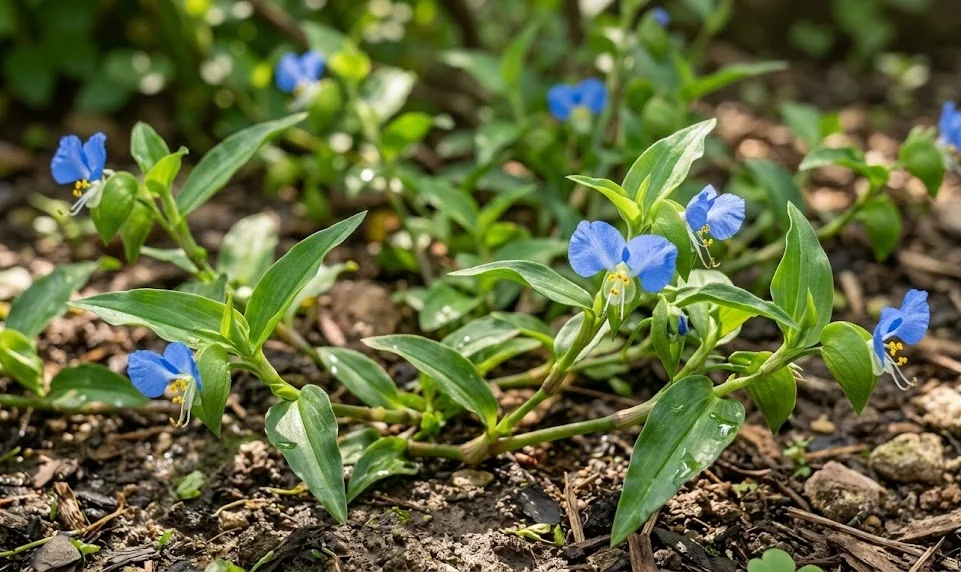

Dealing with the diseases and pests of the asiatic dayflower is an essential part of maintaining a professional-grade garden display. While this plant is generally quite hardy and resistant to many common problems, it is not entirely immune to environmental stressors or biological invaders. You must be proactive in identifying potential threats before they can cause significant damage to your lush green ground cover. A combination of preventative care and targeted interventions will keep your plants looking their best and ensure their long-term health in your landscape.
Identifying common fungal and bacterial issues
Fungal infections are among the most frequent problems you might encounter when growing this species, especially in humid or overcrowded conditions. Leaf spot is a common issue that manifests as small, dark lesions on the foliage, which can eventually lead to the yellowing and premature drop of the leaves. To prevent this, you should focus on improving the air circulation around your plants by avoiding over-dense planting and keeping the area free of debris. If the infection becomes widespread, removing the most affected leaves can help slow the spread to healthy tissue.
Powdery mildew is another fungal concern that appears as a white, flour-like dusting on the surface of the leaves and stems. This usually occurs when the nights are cool and the days are warm and humid, creating the perfect environment for spores to thrive. You can manage mild cases by ensuring the plants are well-spaced and by avoiding overhead watering late in the day. In more persistent cases, an organic sulfur-based spray can be an effective way to keep the mildew under control without harming the environment.
Root rot is a much more serious condition that typically results from poorly drained soil or excessive watering by the gardener. If you notice your plants wilting despite the soil being wet, or if the stems at the soil line feel soft and mushy, root rot is likely the culprit. The best defense against this disease is prevention, which means ensuring your planting site has excellent drainage and a loose soil structure. Once root rot has taken hold, it is often necessary to remove and destroy the infected plants to prevent the pathogen from spreading through the soil.
Bacterial leaf blight can occasionally strike, causing water-soaked spots that rapidly turn brown and brittle as the tissue dies. This pathogen often enters the plant through small wounds caused by insects or mechanical damage from gardening tools. You should always use clean, sharp shears when trimming your plants to minimize unnecessary stress and potential entry points for bacteria. Keeping the garden area clean and removing any suspicious-looking foliage immediately is a professional approach to disease management that pays dividends over time.
More articles on this topic
Managing insect pests and physical invaders
While not a primary target for many pests, the asiatic dayflower can sometimes attract aphids, particularly on the tender new growth in early spring. These tiny, sap-sucking insects can cause the leaves to become distorted or curled and may leave behind a sticky substance known as honeydew. You can often manage a small infestation by simply knocking the aphids off the plants with a strong stream of water from your garden hose. If they persist, an application of insecticidal soap can effectively clear them up while being gentle on beneficial insects.
Slugs and snails are perhaps the most common physical pests that you will have to deal with, as they love the moist, shaded environments where the plant thrives. These nocturnal invaders can quickly chew large, ragged holes in the foliage, sometimes stripping young plants entirely if left unchecked. You can reduce their numbers by removing potential hiding spots like large rocks or piles of damp leaves near your garden beds. Using copper tape barriers or non-toxic slug bait can also help protect your plants from these hungry gastropods.
Spider mites may become a problem during hot, dry spells when the plant is under moisture stress and the air is stagnant. You will notice their presence by the fine webbing they leave between the leaves and the stippled, yellowish appearance of the foliage. Keeping the plants well-hydrated and occasionally misting the leaves with water can help deter these pests by increasing the localized humidity. A healthy, vigorous plant is much better equipped to handle a small mite population than one that is struggling with drought.
Occasionally, you might find larger visitors like rabbits or deer taking an interest in the lush greenery of your dayflower patch. While the plant is not their favorite food source, hungry animals will often graze on the tender stems and flowers if other options are limited. Using physical barriers like fencing or natural repellents can help discourage these animals from making a meal of your hard work. Understanding the local wildlife and their habits allows you to take the necessary steps to protect your garden from unwanted browsing.
More articles on this topic
Environmental stressors and physiological disorders
Not every problem you see on your plants is caused by a living organism; sometimes, the environment itself is the source of the trouble. Leaf scorch is a common physiological issue that occurs when the plant is exposed to intense sunlight and high temperatures without enough moisture. The edges of the leaves will turn brown and crispy as the plant loses water faster than the roots can supply it. To prevent this, you should provide some afternoon shade or increase your watering frequency during extreme heatwaves.
Nutrient imbalances can also cause symptoms that mimic diseases, leading to confusion during the diagnostic process. For instance, iron chlorosis causes the new leaves to turn yellow while the veins remain green, a sign that the soil pH is too high or iron is lacking. On the other hand, salt buildup from excessive fertilizer use can cause the tips of the leaves to turn brown and die back. Regularly checking your soil and following a balanced fertilization program will help you avoid these man-made stressors in your garden.
Cold damage is another environmental factor to consider, especially if you experience late spring frosts after the plants have already started to grow. Young shoots are particularly vulnerable to freezing temperatures, which can cause them to turn black and collapse overnight. You can protect your plants by covering them with a light fabric or moving containers to a sheltered spot if a frost is predicted. Being aware of the local weather forecast allows you to act as a guardian for your plants during these transition periods.
Physical damage from wind or heavy rain can also leave your dayflowers looking tattered and prone to secondary infections. While the plant is generally resilient, its stems can be somewhat brittle and may snap under the weight of a sudden downpour. You can provide some support by planting them closely together or near more sturdy companion plants that act as a natural windbreak. A little bit of structural planning goes a long way in maintaining the professional appearance of your garden beds.
Integrated pest management strategies
A professional approach to garden health involves using Integrated Pest Management (IPM), which focuses on long-term prevention and minimal chemical intervention. You should start by selecting the healthiest plants and placing them in an environment where they can naturally thrive with little stress. By creating a diverse garden with a variety of species, you encourage the presence of natural predators like ladybugs and lacewings. these beneficial insects will do much of the work for you by keeping pest populations in check naturally.
Monitoring your garden daily is the most effective tool in your IPM toolkit, allowing you to catch problems before they become crises. You should get into the habit of looking under the leaves and checking the stems for any early signs of trouble. Often, a problem caught early can be solved by simply hand-pulling a few pests or pruning out a single diseased branch. This hands-on approach keeps you connected to your garden and allows for a more nuanced and effective response to threats.
When an intervention is necessary, you should always start with the least toxic option first to protect the overall health of your ecosystem. Physical controls, such as barriers or water sprays, are often highly effective and have zero impact on non-target species. If you must use a spray, opt for organic products like neem oil or insecticidal soaps that break down quickly in the environment. Following the label instructions exactly is crucial for both the safety of your plants and the success of the treatment.
Keeping detailed records of the pests and diseases you encounter each year will help you identify patterns and improve your future management strategies. You might notice that certain problems only appear during specific weather conditions or at a certain time of the season. This information allows you to take proactive steps in subsequent years, such as applying a preventative spray or adjusting your watering schedule. Knowledge is the foundation of expertise, and your garden is the best classroom you could ask for.
Maintaining a healthy garden environment
The overall cleanliness of your garden plays a huge role in preventing the buildup of pests and diseases over time. You should make it a priority to clear away any fallen leaves or dead plant material at the end of every growing season. This “sanitation” process removes the overwintering sites for many common fungal spores and insect eggs, giving you a fresh start in the spring. A tidy garden is not just about aesthetics; it is a fundamental part of a professional plant health program.
Rotating the plants in your garden, if possible, can also help break the lifecycle of soil-borne pathogens that might target the dayflower. While it can be a perennial in some areas, shifting the location of your main planting beds every few years keeps the soil “fresh” and productive. This practice mimics natural cycles and prevents any one pest or disease from becoming a permanent fixture in your landscape. Even small shifts in the planting layout can make a significant difference in the long-term health of your collection.
Education is an ongoing process for any serious gardener, and staying informed about new pests and diseases in your region is essential. You should check with local agricultural extensions or gardening clubs to see if there are any emerging threats you need to be aware of. Being part of a community of experts allows you to share observations and learn about the most effective new treatments and preventative measures. A well-informed gardener is the best defense against any challenge the natural world might throw at them.
Ultimately, the goal of managing pests and diseases is to support the natural resilience of the asiatic dayflower so it can flourish in your care. By providing the right balance of light, water, and nutrients, you create a plant that is inherently less attractive to pests and more resistant to disease. Your role is that of a facilitator, working with nature to maintain a beautiful and healthy garden display. With patience and professional attention, your dayflowers will continue to bring joy and color to your landscape for many years to come.