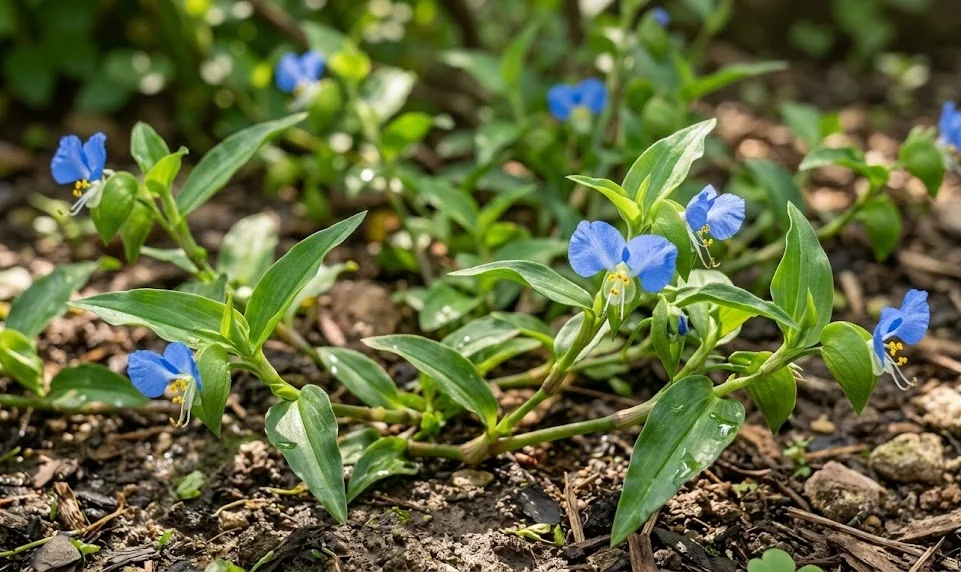

Caring for the asiatic dayflower requires a nuanced understanding of its resilient yet sometimes demanding growth habits. This plant is known for its stunning blue blossoms that typically open in the morning and fade by the afternoon. While it is often considered a hardy species, achieving a lush and vibrant display in a managed garden setting involves specific attention to environmental factors. You must balance its need for moisture with proper drainage to ensure the root system remains healthy throughout the growing season.
Understanding the growth patterns of the species
The growth cycle of this particular plant is characterized by a rapid expansion during the warmer months of the year. It tends to develop creeping stems that can easily root at the nodes whenever they touch moist soil surfaces. This habit allows the plant to form dense mats of green foliage relatively quickly, providing excellent ground cover if managed correctly. You should observe how the stems move across the garden bed to anticipate where it might need containment or support.
The ephemeral nature of the blooms is perhaps the most striking feature of this garden inhabitant. Each flower lasts only for a single day, which means the plant must be healthy enough to produce a constant succession of new buds. By monitoring the frequency of flowering, you can gauge whether the current care routine is meeting the plant’s metabolic demands. A lack of flowers often indicates that the plant is focusing too much energy on vegetative spread rather than reproduction.
As the season progresses, the foliage can become quite dense, which sometimes leads to air circulation issues within the center of the plant. Maintaining a balance between a full look and a healthy interior is a key part of long-term care for any gardener. You might notice that the lower leaves begin to yellow if the plant becomes too crowded or if the light cannot reach the base. Regular observation will help you intervene before these minor issues turn into significant health problems for the entire patch.
The genetic resilience of this species means it can adapt to various microclimates within your garden space. It is surprisingly tolerant of different humidity levels, though it clearly prefers a more stable and moderately damp environment. Understanding that this plant is a survivor will help you relax your care routine slightly, but consistent attention still yields the most beautiful results. Keep an eye on the weather patterns, as sudden shifts in temperature can trigger changes in the plant’s growth rate.
More articles on this topic
Creating the ideal soil environment
The foundation of successful care starts with the physical and chemical composition of the soil in which the plant resides. This species thrives best in a medium that is rich in organic matter and capable of retaining moisture without becoming waterlogged. You can achieve this by incorporating well-rotted compost or leaf mold into the planting area before the growing season begins. Ensuring that the soil texture is loamy will allow the delicate roots to penetrate deeply and establish a firm anchor.
Drainage is another critical factor that you cannot afford to overlook when maintaining the health of your garden beds. While the plant enjoys consistent moisture, standing water can quickly lead to root rot and other physiological stressors. If your garden has heavy clay soil, consider adding coarse sand or perlite to improve the overall aeration and water movement. Testing the drainage capacity of your site after a heavy rain will give you a clear idea of whether further amendments are necessary.
Soil pH also plays a significant role in the availability of nutrients for the plant throughout its lifecycle. This species generally prefers a slightly acidic to neutral range, typically between 6.0 and 7.0 on the pH scale. You can use a simple home testing kit to determine the current status of your soil and make adjustments with lime or sulfur if needed. Keeping the pH within the optimal range ensures that the blue pigment in the flowers remains vivid and true to its name.
Nutrient density should be maintained through natural cycles rather than relying solely on synthetic inputs. The decomposition of mulch layer over time provides a slow-release source of nitrogen and minerals that the plant can readily absorb. You should aim to maintain a thin layer of organic mulch around the base of the plants to suppress weeds and keep the soil temperature stable. This proactive approach to soil health creates a self-sustaining environment that minimizes the need for intensive daily maintenance.
More articles on this topic
Establishing a consistent maintenance routine
A regular maintenance schedule is essential for keeping the plant looking its best and preventing it from becoming unruly. You should walk through your garden at least once a week to inspect the foliage for any signs of stress or mechanical damage. Removing dead or tattered leaves not only improves the appearance of the plant but also reduces the hiding spots for potential pests. This simple act of grooming keeps the energy of the plant focused on new growth and flower production.
Monitoring the spread of the creeping stems is a task that requires frequent attention, especially during the peak of summer. If you find the plant moving into areas where it is not wanted, you can easily trim back the leading edges with clean garden shears. Since the nodes can root easily, make sure to remove all clippings from the soil surface to prevent accidental propagation. Controlling the footprint of the plant early in the season saves a significant amount of labor later on.
The removal of spent flowers, while not strictly necessary for the plant’s survival, can encourage a tidier look and potentially more blooms. Because the flowers dissolve into a gel-like substance after closing, they rarely leave behind unsightly dried husks. However, checking the stems for developing seed pods is important if you want to limit self-seeding in the following year. Taking a few minutes each morning to enjoy the new blooms also provides an opportunity to perform these quick maintenance tasks.
Seasonal transitions require a shift in your care approach to align with the plant’s changing needs. In late spring, the focus should be on supporting rapid growth, while mid-summer care is more about stress management during high temperatures. As autumn approaches, you will notice the growth slowing down, signaling a time to reduce interventions and let the plant prepare for dormancy. Aligning your actions with the natural rhythm of the plant ensures a more harmonious gardening experience.
Managing the aggressive nature of the plant
One of the most significant challenges in caring for this species is its tendency to spread aggressively under ideal conditions. It is important to remember that what looks like a small, charming plant in the spring can quickly take over a large area by late summer. You should consider using physical barriers, such as plastic edging or buried containers, to keep the root systems contained. These boundaries help define the garden space and prevent the plant from outcompeting its neighbors.
Vigilance is your best tool when it comes to managing the invasive potential of the dayflower in a mixed border. You must be prepared to pull up any stray seedlings that appear outside of the designated growing zone immediately. The seeds are quite hardy and can remain viable in the soil for several years, making early intervention crucial. By staying on top of the “volunteers,” you can enjoy the beauty of the plant without the headache of a garden-wide takeover.
If the plant does manage to escape its bounds, you should use a systematic approach to reclaim the area. Start by cutting back the foliage to identify the main rooting points and then carefully dig out the entire root mass. It is often necessary to sift through the soil to ensure that no small fragments of the stems are left behind. Being thorough in the removal process prevents the plant from regenerating from hidden pieces in the following weeks.
Communication with neighboring gardeners is also a responsible part of caring for a plant that spreads so easily. If your garden is close to a fence or a shared boundary, make sure the plant isn’t creeping into the adjacent property. Offering to help trim back any overgrowth that crosses the line fosters good relationships and keeps the plant’s reputation positive. Responsible stewardship ensures that this beautiful species remains a joy rather than a nuisance for everyone.
Enhancing the visual appeal of the display
To truly showcase the vibrant blue of the flowers, you should consider the placement and surrounding companions of the plant. Pairing it with plants that have silver or light green foliage can create a striking contrast that makes the blue pop. You might also try planting it alongside yellow-flowering species to utilize the classic complementary color scheme. Thinking about the visual composition of the entire bed helps elevate the dayflower from a simple ground cover to a focal point.
The height of the surrounding plants should be carefully managed to ensure the dayflower receives enough light and visibility. Since it is a relatively low-growing species, it works best at the front of a border or as an underplanting for taller shrubs. You should avoid placing it behind dense, tall perennials that might cast too much shade and hide the morning blooms. A tiered planting strategy ensures that every layer of your garden gets the attention it deserves.
Using decorative elements like stones or small pieces of driftwood can provide a natural framework for the spreading stems to climb over. This adds a three-dimensional quality to the planting and allows the flowers to be seen from different angles. You can guide the stems manually to wrap around these objects, creating a more intentional and artistic look. Small adjustments in the way the plant is allowed to grow can have a big impact on the overall garden aesthetic.
Consistency in your care routine directly translates to the visual health and vigor of the plant’s display. A well-hydrated and properly fed plant will have deeper green leaves and more numerous, larger flowers. You will notice that the intensity of the blue color is often at its peak when the plant is not under environmental stress. Taking the time to provide expert care results in a professional-looking garden that rewards you with beauty every single day.
Adapting to local environmental challenges
Every garden has its own unique set of challenges, ranging from wind exposure to localized frost pockets. You should observe how the dayflower reacts to the specific conditions in your yard over the course of a full year. If you live in an area with high winds, the delicate stems may need some protection or a more sheltered location. Providing a windbreak can prevent the foliage from drying out too quickly and keep the plants looking lush.
Temperature fluctuations can also impact the timing and duration of the flowering period in your specific region. In cooler climates, the plant may start growing later in the spring and finish its cycle earlier in the fall. You can compensate for a shorter growing season by providing extra warmth through the use of dark mulches or by planting against a south-facing wall. Understanding these local nuances allows you to tailor your care specifically to your own environment.
Urban gardeners might face additional issues such as poor air quality or limited natural soil volume. The dayflower is generally quite resilient to urban stressors, but it will still benefit from regular rinsing of the foliage to remove dust and pollutants. If you are growing it in containers on a balcony, ensure that the pots are large enough to accommodate the spreading root system. Adapting your techniques to your specific living situation is the hallmark of an expert gardener.
Finally, you should be aware of the native flora in your area and how the dayflower interacts with it. In some regions, this species is closely monitored due to its potential to displace local plants in natural areas. By keeping your garden well-contained and preventing seeds from escaping into the wild, you act as a protector of the local ecosystem. Being an informed gardener means balancing your love for specific plants with a respect for the broader environment.
Long-term strategies for plant health
Maintaining the health of your dayflower population over several years requires a focus on soil renewal and plant rejuvenation. Every few years, you should consider lifting and dividing the main clumps to prevent them from becoming overly woody or stagnant. This process breathes new life into the colony and provides you with extra plants to use in other parts of the garden. Freshly divided plants often exhibit a surge in growth and flowering vigor in the following season.
Rotating the focus of your soil amendments can help prevent the buildup of specific pathogens or the depletion of certain minerals. For example, one year you might focus on adding organic compost, while the next you could use a kelp-based soil drench. This variety in your care routine ensures that the soil remains a complex and healthy ecosystem for the roots. A diverse approach to nutrition is always better than a singular, repetitive method.
Record keeping is a valuable practice for any serious gardener looking to improve their expertise over time. You should note the dates when the first flowers appear, the peak bloom period, and when the plant begins to enter dormancy. Comparing these notes from year to year will help you identify trends and predict the needs of your garden more accurately. It also allows you to see the direct results of any changes you made to your care routine.
Ultimately, the key to expert care is a combination of technical knowledge and intuitive observation. You will eventually develop a “feel” for when the plant needs water or when it is time to trim back the growth. This connection to your garden is what turns a simple hobby into a true craft. By following these professional guidelines, you ensure that your dayflower display remains a healthy and beautiful part of your landscape for many seasons to come.