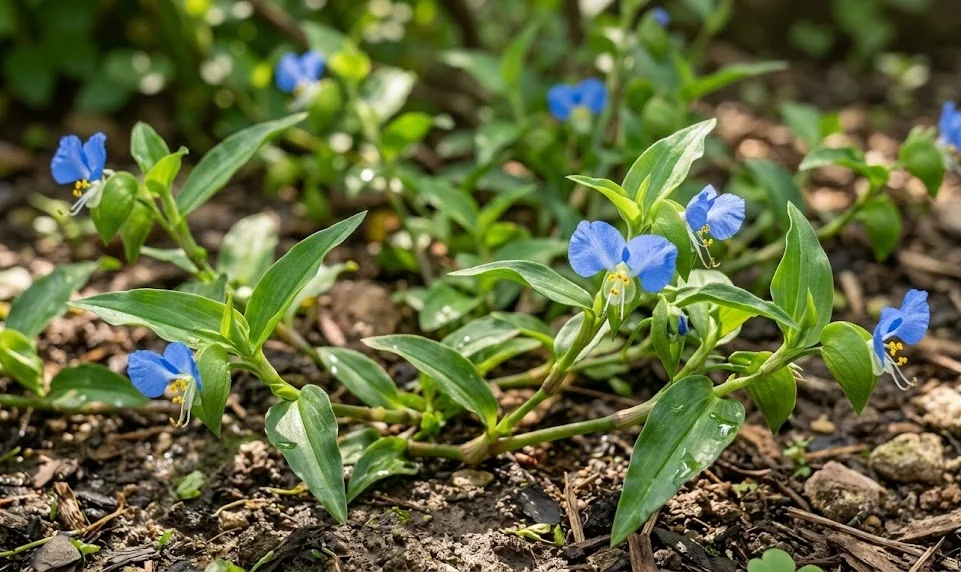

Overwintering the asiatic dayflower is a task that varies significantly depending on your local climate and the specific growth habit of your plants. In many regions, this species is treated as a hardy annual that relies on self-seeding to return the following year, while in warmer zones, it may survive as a perennial. Understanding how to manage the transition from the vibrant growing season to the dormant winter months is key to ensuring a beautiful display in the future. By following professional overwintering strategies, you can protect your garden’s potential and prepare for a successful spring awakening.
Understanding the annual life cycle and seeds
In most temperate gardens, the primary way this plant survives the winter is by producing a large number of hardy seeds before the first frost. You will notice the small, green seed pods forming once the peak flowering period begins to wind down in late summer. These seeds are naturally designed to withstand freezing temperatures and will remain dormant in the soil until the warmth of spring triggers their germination. Recognizing this survival strategy allows you to work with the plant’s natural rhythm rather than fighting against it.
If you want to ensure the plant returns exactly where you want it, you should allow at least some of the seed pods to mature and drop naturally. You can also collect the dried pods by hand and store the seeds in a cool, dry place to be sown manually in the spring. This gives you more control over the layout of your garden and prevents the plant from becoming too scattered or unruly. Professional seed saving is a simple but effective way to maintain a consistent population of your favorite garden species.
For those who prefer a tidier garden in the fall, you can clear away the dead foliage once the seeds have dropped and the first hard frost has killed the top growth. You don’t need to worry about being too aggressive with the cleanup, as the seeds are already safely tucked away in the soil. Clearing the area also helps remove any pests or diseases that might have been lingering on the old leaves, providing a clean slate for next year. This proactive sanitation is a hallmark of an expert gardener who plans for long-term health.
In areas where the winter is particularly long or harsh, you might consider adding a light layer of mulch over the seeded areas to provide a bit of insulation. This can help stabilize the soil temperature and prevent the seeds from being washed away by heavy winter rains or snowmelt. However, you should be careful not to make the mulch layer too thick, as the young seedlings will need to be able to push through it in the spring. A balanced approach to winter protection ensures that your garden is ready to burst into life as soon as the weather permits.
More articles on this topic
Managing the perennial potential in warmer zones
In USDA zones 7 and above, the asiatic dayflower often exhibits perennial tendencies, surviving the winter through its underground root system. If you live in one of these warmer regions, your overwintering strategy will focus more on protecting the dormant crowns and roots rather than just the seeds. You should wait until the foliage has completely died back naturally before you consider cutting it down to the ground. This allows the plant to pull back as much energy as possible into its root system to fuel the next year’s growth.
Applying a generous layer of organic mulch, such as shredded bark or straw, over the root zone is a vital step for perennial survival. This mulch acts as a thermal blanket, protecting the dormant buds from sudden temperature swings and deep freezes. You should aim for a layer about two to three inches thick, making sure to cover the entire area where the plant was growing. This extra bit of care can make the difference between a plant that barely survives and one that returns with vigor in the spring.
You must also consider the drainage of your garden beds during the wet winter months, as dormant roots are particularly susceptible to rot in cold, soggy soil. If your garden tends to hold water, you might want to slightly mound the soil or add some grit around the base of the plants before mulching. Keeping the roots relatively dry during their dormant period is just as important as protecting them from the cold. A professional gardener always considers the moisture levels of the soil, even when the plants are not actively growing.
As the spring approaches, you should keep an eye on the weather and be prepared to remove the protective mulch once the danger of heavy frost has passed. Leaving the mulch on too long can trap excessive moisture and delay the warming of the soil, which might slow down the emergence of new shoots. By gradually thinning the mulch layer as the temperatures rise, you provide a smooth transition for the plant into the new growing season. This attentive management is the secret to maintaining a successful perennial display over several years.
More articles on this topic
Collecting and storing seeds for future use
The process of collecting seeds is a professional skill that allows you to expand your garden or share your plants with other enthusiasts. You should wait until the seed pods have turned brown and feel dry to the touch before you begin the harvest. It is best to do this on a dry, sunny afternoon when there is no dew on the plants, ensuring that the seeds are as dry as possible. Place the pods in a paper bag and label them clearly with the species name and the date of collection.
Once you have gathered the pods, you should spread them out on a screen or a tray in a well-ventilated area for a few days to finish drying. This step is crucial, as any remaining moisture can lead to mold or rot during storage, ruining your entire seed crop. Once they are completely dry, you can gently crush the pods to release the small, dark seeds and separate them from the chaff. Sifting the seeds through a fine mesh can help you achieve a cleaner sample for long-term storage.
The ideal storage conditions for your seeds are cool, dark, and dry, such as in a sealed glass jar kept in a basement or a refrigerator. You might even consider adding a small packet of silica gel to the jar to absorb any stray moisture that might be present. Properly stored seeds can remain viable for several years, giving you a reliable backup in case of a particularly harsh winter or a failed growing season. This level of preparation is what separates a casual hobbyist from a professional-grade gardener.
When spring arrives, you can use these stored seeds to fill in any gaps in your garden or to start entirely new patches of blue flowers. You can also trade them with other gardeners to diversify your collection and learn more about different varieties and growth habits. Sharing seeds is a wonderful way to build community and spread the joy of gardening to others. Your efforts in overwintering and seed saving contribute to the beauty and sustainability of your local garden culture.
Preparing the garden for a successful spring return
The final phase of overwintering is actually the preparation you do in the late winter to get the garden ready for the return of the dayflowers. You should start by clearing away any remaining winter debris and thinning out any mulch that has become compacted over the cold months. This allows the sun to reach the soil surface more effectively, warming it up and encouraging the seeds to germinate. A clean and open garden bed is the perfect invitation for a new generation of plants to emerge.
If you are dealing with perennial roots, you should look for the first signs of green shoots appearing near the base of the old stems. This is an exciting time, signaling that your overwintering efforts have been successful and the plant is ready for a new season. You can begin to provide a light watering if the spring has been particularly dry, helping the young growth get a strong start. A little bit of early-season attention goes a long way in setting the stage for a lush and vibrant display.
Testing your soil in the early spring can also help you determine if any nutrients need to be replenished after the long winter break. Adding a thin layer of fresh compost to the area can provide a gentle boost for the emerging seedlings and established roots alike. You should avoid using high-nitrogen fertilizers at this early stage, as you want to encourage balanced growth rather than a sudden flush of weak foliage. A professional approach to spring preparation is all about providing the right environment for steady and sustainable development.
Finally, take a moment to reflect on the success of your overwintering strategy and make any notes for the following year. Every winter is different, and being able to adapt your techniques based on your experiences is how you build true expertise. Whether your dayflowers return from seeds or from hardy roots, the beauty of their blue blossoms will be a testament to your careful stewardship. Your commitment to expert care ensures that your garden remains a thriving and beautiful sanctuary year after year.