
Watering is perhaps the most frequent task you will undertake when maintaining a healthy Caucasian leopard’s bane in your garden. This perennial species originates from cool woodland areas, meaning it has a relatively high demand for consistent soil moisture. You should aim to keep the soil moist but never waterlogged, as the shallow roots are particularly sensitive to both extremes. Developing a regular schedule will help the plant stay hydrated and prevent the stress that leads to early dormancy.
The best time of day to water your plants is in the early morning before the sun’s heat becomes too intense. This allows the moisture to soak deep into the soil and reach the roots without evaporating too quickly from the surface. Morning watering also gives the foliage time to dry off before evening, which is a major factor in preventing fungal diseases. If you must water in the evening, try to apply the water directly to the base of the plant to keep the leaves dry.
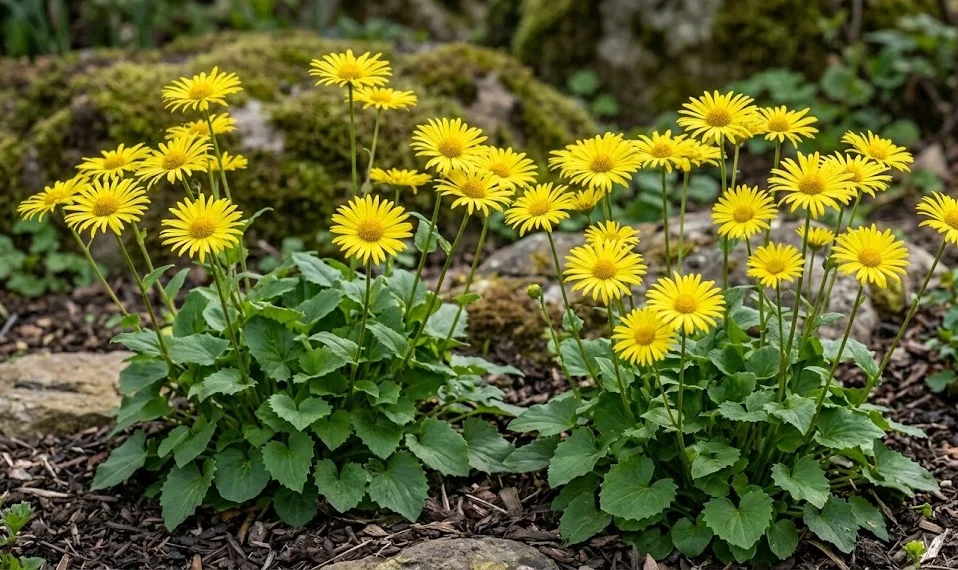
During the spring flowering period, the plant’s water needs are at their peak as it supports the growth of stems and large yellow blooms. You should check the soil moisture levels daily during dry spells to ensure the plant does not experience any wilting. Wilting can damage the delicate flower tissues and significantly shorten the duration of the bloom season. A deep soaking once or twice a week is generally more effective than a light daily sprinkling.
As the summer temperatures rise, the Caucasian leopard’s bane may require even more attention to its hydration levels. You might notice the leaves drooping slightly in the afternoon, which is a sign that the plant is losing water faster than it can take it up. If the soil feels dry an inch below the surface, it is definitely time to provide a thorough watering. Keeping the root zone cool through consistent moisture is the secret to maintaining the foliage throughout the hotter months.
Advanced irrigation techniques for perennials
Using an irrigation system can make the task of watering your Caucasian leopard’s bane much more efficient and effective. Drip irrigation or soaker hoses are excellent choices because they deliver water directly to the soil surface where it is needed most. This method minimizes water waste through evaporation and keeps the foliage dry, which is ideal for this specific plant. You can set these systems on a timer to ensure that your garden receives moisture even when you are busy or away.
More articles on this topic
If you prefer to water by hand, using a watering wand with a gentle spray setting is a great way to avoid soil erosion around the base. You should direct the flow of water at the ground level and move slowly around the clump to ensure even distribution. Avoid using a high-pressure hose that might wash away the soil or damage the tender leaves and flower stems. Taking your time during the watering process allows you to inspect the overall health of the plant at the same time.
Rainwater harvesting is a sustainable and beneficial way to provide for the water needs of your woodland plants. Collected rainwater is often softer and lacks the chlorine or fluoride found in municipal tap water, which can be better for sensitive root systems. You can set up a simple rain barrel connected to your home’s gutter system to collect this valuable resource. Using natural water sources is a great step toward creating a more eco-friendly and professional gardening environment.
You should always adjust your watering frequency based on the current weather conditions and the type of soil in your garden. Sandy soils will drain quickly and require more frequent watering, while clay-heavy soils will hold onto moisture for a longer period. Observing how the water moves through your garden beds will help you fine-tune your irrigation strategy. A flexible approach to watering is what distinguishes an expert gardener from a novice.
Nutrient management and fertilizer selection
Fertilization provides the essential building blocks that the Caucasian leopard’s bane needs to produce its impressive spring display. You should look for a balanced, slow-release fertilizer that contains equal parts of nitrogen, phosphorus, and potassium. This type of product will provide a steady supply of nutrients over several months, rather than a quick burst that might cause weak growth. Organic options like fish emulsion or well-composted manure are also highly recommended for their long-term soil benefits.
More articles on this topic
Nitrogen is important for the development of healthy green leaves, but you should be careful not to over-apply it. Too much nitrogen can result in lush foliage but very few flowers, which is usually not the goal for this decorative plant. Phosphorus is the key nutrient for promoting strong root systems and abundant flowering, making it a critical component of your fertilizer mix. Potassium helps with overall plant health and improves the plant’s ability to resist diseases and environmental stress.
In addition to the primary macronutrients, trace elements like magnesium and iron can also play a role in the plant’s performance. You can apply a micronutrient-rich foliar spray or add a handful of volcanic rock dust to the soil to provide these minerals. These small additions can make a visible difference in the intensity of the yellow color in the flowers and the richness of the green leaves. A comprehensive nutrient plan ensures that the plant has everything it needs to thrive.
Always read the labels on your fertilizer products and follow the recommended application rates carefully. Over-fertilizing can lead to a buildup of salts in the soil, which can eventually damage the delicate root hairs. It is often better to use a slightly lower dose more frequently than to apply a very heavy amount all at once. Professional gardeners know that providing just enough nutrients is better than providing too much and causing potential harm.
Timing and application of soil amendments
The timing of your fertilizer applications can significantly influence how the Caucasian leopard’s bane responds and grows. You should make your first application in the very early spring just as the first signs of green growth appear above the ground. This gives the plant the energy it needs to produce its foliage and flower stems during the most active phase of its life cycle. A second, lighter feeding can be done in the late spring after the flowering has finished to help the plant recover.
Avoid applying any fertilizer during the middle of the summer when the plant is likely to be stressed by the heat and lack of water. Feeding a plant that is trying to go dormant can actually cause more harm than good by forcing it into a growth phase it cannot support. You should also stop all fertilization activities at least two months before the first expected frost in the autumn. This allows the plant to naturally harden off its tissues and prepare for the winter months without any soft, vulnerable growth.
When applying granular fertilizer, be sure to spread it evenly around the base of the plant, staying a few inches away from the crown. You can gently work the granules into the top inch of soil with a small hand rake to ensure they don’t wash away. Immediately after application, you must water the area thoroughly to help the nutrients dissolve and move down into the root zone. This simple step prevents the concentrated fertilizer from burning the surface roots of the plant.
If you choose to use liquid fertilizers, make sure the soil is already slightly moist before you apply the solution. Applying liquid feed to bone-dry soil can lead to rapid absorption that might shock the plant’s system. You can use a watering can to apply the liquid fertilizer directly to the soil, avoiding the leaves as much as possible. Consistency in your application methods will lead to more predictable and successful growth results for your perennials.
Monitoring soil health and pH balance
The overall health of your soil is just as important as the specific nutrients you add through fertilization. You should aim for a soil structure that is high in organic matter, which provides a natural habitat for beneficial microorganisms. These microbes break down organic materials into forms that the Caucasian leopard’s bane can easily absorb through its roots. Adding a fresh layer of compost every year is one of the best ways to maintain a healthy and living soil ecosystem.
The pH level of your soil determines how easily the plant can access the nutrients that are already present in the ground. For the Caucasian leopard’s bane, a pH range between 6.0 and 7.0 is generally considered to be the sweet spot for optimal growth. You can use a digital pH meter or a simple chemical test kit to check the levels in different parts of your garden. If your soil is too alkaline, you can add sulfur or peat moss to gradually bring the pH down.
If you discover that your soil is too acidic, a light application of garden lime can help to neutralize the acidity over time. You should always make these adjustments slowly and re-test the soil regularly to avoid over-correcting the problem. Significant changes in soil pH can take several months to fully take effect, so patience is required during this process. Understanding the chemistry of your garden soil is a key part of professional agricultural and horticultural practice.
Finally, keep an eye out for any physical signs of soil compaction or poor drainage around your plants. If the water sits on the surface for a long time after irrigation, you might need to aerate the soil or add more grit and organic matter. Healthy roots need oxygen just as much as they need water and nutrients to function correctly. By maintaining a loose and well-aerated soil structure, you ensure that your Caucasian leopard’s bane will continue to thrive for many years.