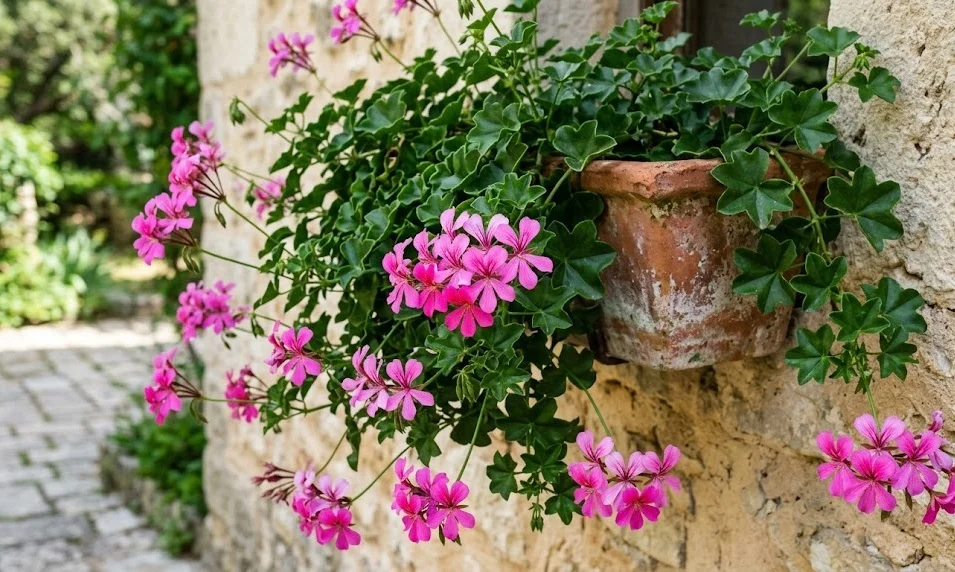

Precision in watering and fertilization is the defining factor that separates a mediocre geranium display from a spectacular professional arrangement. Trailing geraniums have specific physiological needs that change depending on the ambient temperature, light intensity, and growth stage. You must develop a keen eye for the subtle signs of thirst and nutrient deficiency to keep the plants in peak condition. A consistent and well-balanced approach to these two tasks will result in lush foliage and a continuous explosion of colorful blooms.
The timing of your watering routine is just as important as the volume of water you provide to the plants. Most experts recommend watering in the early morning so the foliage has plenty of time to dry before the sun becomes too intense. This practice minimizes the risk of leaf burn and reduces the chances of fungal infections developing overnight. You should always aim the water at the base of the plant to keep the leaves and flowers as dry as possible.
Fertilization is the engine that drives the production of those iconic cascading flowers throughout the long summer months. Since trailing geraniums are heavy feeders, they quickly exhaust the nutrients found in standard potting soil. You should start a regular feeding schedule about two weeks after planting to ensure there is no gap in nutrient availability. A balanced, water-soluble fertilizer is usually the most effective choice for maintaining steady growth and vibrant colors.
Monitoring the moisture levels in the soil requires more than just a quick glance at the surface. You should stick your finger about two centimeters into the substrate to check the actual moisture content near the root zone. If the soil feels dry at that depth, it is time to water the plant thoroughly until moisture drains from the bottom. During extreme heatwaves, you may find that the containers need to be checked twice a day to prevent the plants from wilting.
Mastering the art of hydration
Developing a consistent watering rhythm helps the plant maintain a stable internal pressure, which is essential for structural integrity. Trailing geraniums have somewhat succulent stems, meaning they can store a small amount of water, but they are not drought-resistant. You should avoid the “yo-yo” effect of letting the soil go completely bone-dry and then soaking it excessively. This type of stress can lead to bud drop and yellowing of the lower foliage.
More articles on this topic
Water quality is a factor that is often overlooked but can significantly impact the long-term health of your geraniums. If your tap water is very hard or contains high levels of chlorine, it is a good idea to let it sit in an open container for twenty-four hours. This allows some of the chemicals to evaporate and the water to reach room temperature, which is less shocking to the roots. Rainwater is always the best option if you have a way to collect and store it for your garden.
The physical process of watering should be slow and deliberate to ensure the entire root ball is properly saturated. If you pour water too quickly, it often runs down the sides of the pot without ever reaching the center of the dry soil. You should see water coming out of the drainage holes as a signal that the task is complete. If the soil has become so dry that it has shrunk away from the edges of the pot, you may need to soak the container in a larger basin of water.
Adjusting your watering frequency based on the material of your containers will help you avoid overwatering. Terracotta pots lose moisture through their walls and will need more frequent attention than plastic or glazed ceramic ones. Hanging baskets are particularly prone to drying out because they are exposed to the wind from all sides. You should be especially vigilant with these elevated displays during the peak of the summer heat.
Nutritional requirements for blooming
To achieve the best flowering results, you need to understand the different roles of nitrogen, phosphorus, and potassium. Early in the season, a balanced fertilizer helps the plant build strong stems and a healthy green canopy. As the plant begins to produce buds, shifting to a formula with a higher phosphorus content will encourage more prolific blooming. You should always read the labels carefully to ensure you are providing the right balance for each specific growth stage.
More articles on this topic
Liquid fertilizers are the preferred choice for many professionals because the nutrients are immediately available to the plant’s roots. You can easily integrate the feeding process into your regular watering routine once or twice a week. It is better to use a slightly diluted solution more frequently than a very strong dose once a month. This consistent supply of minerals prevents the “hunger cycles” that can slow down flower production.
Micronutrients like magnesium and iron also play a vital role in keeping the foliage a deep, healthy green. If you notice the leaves becoming pale or yellow while the veins stay green, it might be a sign of iron deficiency. Many high-quality geranium fertilizers already include these trace elements to prevent such issues from occurring. You can also apply specialized micronutrient sprays if you need to correct a deficiency quickly.
Over-fertilizing can be just as damaging as under-feeding, as it can lead to a buildup of salts that burn the roots. If the plant is producing lots of lush green leaves but very few flowers, you might be providing too much nitrogen. In this case, you should reduce the frequency of feeding and flush the soil with plain water to restore the balance. Observing the plant’s reaction to your feeding schedule is the only way to fine-tune the process for your specific conditions.
Seasonal adjustments to feeding
The nutritional needs of trailing geraniums change as the days grow shorter and the temperatures begin to drop in late summer. You should gradually reduce the frequency of fertilization as the plant’s growth naturally slows down. Continuing to feed heavily during the autumn can result in soft, weak growth that is easily damaged by the first cold spells. This transition period is vital for helping the plant prepare for its winter dormancy phase.
During the peak of the summer heat, the plant’s primary focus shifts from growth to survival and transpiration. You might find that the geranium needs more water but slightly less fertilizer during these intense weeks. If the plant is under heat stress, it cannot process nutrients as efficiently, so adding more fertilizer might actually be counterproductive. Paying close attention to the weather forecast allows you to adjust your maintenance strategy ahead of time.
In early spring, when you are first establishing your plants, the focus should be on building a robust root system. Using a fertilizer with a higher middle number (phosphorus) at this stage is a common mistake that can lead to weak plants. You want the geranium to be structurally sound before it starts putting all its energy into producing flowers. A slow and steady start always leads to a more impressive display in the long run.
If you are planning to overwinter your plants, you should stop all fertilization at least six weeks before you bring them indoors. This allows the existing nutrients to be used up and prevents the plant from producing new growth that would struggle in low light. The goal is to have a stable, hardened-off plant that can survive the winter months without significant stress. This foresight is what separates an experienced grower from a beginner.
Recognizing and correcting mistakes
Yellow leaves at the base of the plant are often the first sign that something is wrong with your watering or feeding routine. If the leaves are dry and crispy, the plant is likely suffering from chronic underwatering and needs more frequent attention. If the leaves are soft and mushy, you are probably overwatering and causing the roots to suffocate from a lack of oxygen. You must act quickly to adjust your habits before the damage becomes permanent.
A lack of flowers despite plenty of sun and water usually points to a nutritional imbalance in the soil. You should check if you are using a fertilizer that is too high in nitrogen, which favors leaf growth over bloom production. Switching to a bloom-booster formula can often stimulate the plant to start producing buds within a few weeks. Sometimes, simply giving the plant a break from feeding for a week can help it reset its internal chemistry.
Edema is a physiological condition that occurs when the plant takes up more water than it can release through its leaves. This results in small, corky bumps on the underside of the foliage that can be mistaken for a disease. You can correct this by improving the air circulation around the plants and being more consistent with your watering schedule. It is a clear sign from the plant that the environment is too humid or the soil is staying wet for too long.
Stunted growth and small, pale leaves are classic indicators that the plant has exhausted the nutrients in its container. If you have been watering frequently without adding fertilizer, you have likely washed away the essential minerals. Adding a slow-release fertilizer or a dose of liquid feed will usually spark a visible improvement in health within ten days. Keeping a simple log of when you feed your plants can help you maintain a consistent schedule throughout the year.