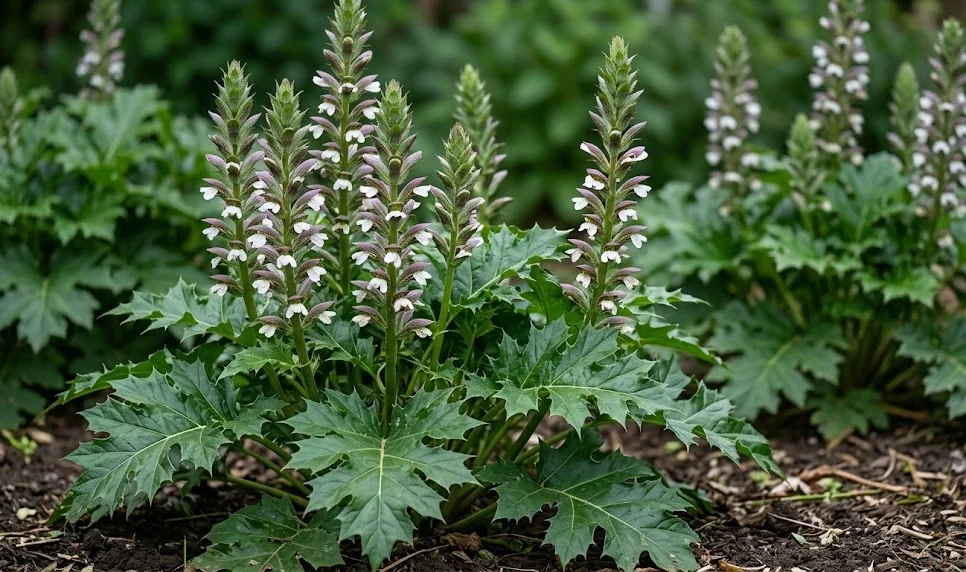

Maintaining the health of this majestic perennial involves a vigilant approach to identifying and managing the various biological challenges it may face. While the plant is generally robust and possesses few natural enemies, its large, soft leaves and succulent stems can occasionally attract unwanted attention. Understanding the early symptoms of fungal infections and the feeding patterns of common garden pests is the first step toward effective control. A professional gardener knows that prevention is always more efficient than cure, and creating a healthy growing environment is the best defense against any potential issues.
Fungal diseases are perhaps the most common challenge, particularly in regions with high humidity or during periods of frequent summer rainfall. The dense canopy of the plant can sometimes trap moisture, creating an ideal microclimate for spores to germinate and spread across the leaf surfaces. Monitoring the foliage for any unusual spots, powdery coatings, or changes in texture is essential for catching these issues before they become widespread. Early intervention often involves simply improving the airflow around the plant or adjusting the irrigation routine to keep the leaves dry.
Pests that target the foliage can quickly diminish the architectural beauty that makes this plant so desirable in the landscape. Because the leaves are so large, even a small amount of feeding damage can be very noticeable and detract from the overall aesthetic of the border. Some pests are primarily active at night, making them difficult to spot during routine daytime garden checks. Developing a habit of inspecting the plants at different times of the day can help in identifying the culprits responsible for any mysterious holes or ragged edges.
The overall vitality of the plant plays a significant role in its ability to resist and recover from both diseases and pest attacks. A specimen that is well-hydrated and properly fed will have stronger cell walls and better internal defenses than one that is stressed by poor conditions. Therefore, pest and disease management should always be viewed as part of a holistic care plan that includes proper siting, soil preparation, and maintenance. By supporting the plant’s natural resilience, the gardener reduces the need for intensive chemical treatments and promotes a healthier garden ecosystem.
Common fungal issues and foliage spots
One of the most frequent fungal complaints associated with this perennial is the emergence of various leaf spot diseases. These often appear as small, dark brown or black lesions that can slowly expand and merge, leading to significant portions of the leaf turning necrotic. While these spots are rarely fatal to the plant, they can severely compromise its visual appeal and reduce its ability to photosynthesize effectively. These issues are most prevalent in the late spring and early summer when the weather is warm and damp.
More articles on this topic
To manage leaf spots, it is important to remove and dispose of any heavily infected foliage as soon as it is identified. This helps to reduce the number of spores available to infect new growth and prevents the disease from overwintering in the garden debris. When pruning, it is a professional best practice to clean the cutting tools with a disinfectant between each plant to avoid spreading the fungus. Ensuring that the plants are not overcrowded will also allow the wind to dry the leaves more quickly after rain or dew.
In persistent cases, a preventative application of a copper-based fungicide or a biological control agent can be used in the early spring. These treatments create a protective barrier on the leaf surface that makes it much harder for fungal spores to gain a foothold. However, these should be used as a supplement to, rather than a replacement for, good cultural practices like proper spacing and soil management. Maintaining a clean garden environment by removing fallen leaves in the autumn is one of the most effective ways to break the disease cycle.
Root and crown rot are more serious fungal issues that can occur if the plant is situated in soil that does not drain properly. Symptoms include a sudden wilting of the entire plant, often accompanied by a foul smell or a visible darkening of the stems at the soil line. If caught early, the plant may be saved by improving the drainage and reducing the amount of water it receives. Unfortunately, once the main rhizome is severely infected, the most professional course of action is often to remove the plant entirely to prevent the rot from spreading to neighboring specimens.
Powdery mildew management
Powdery mildew is a very distinctive fungal disease that appears as a white, flour-like coating on the upper surfaces of the leaves. It thrives in conditions where the days are warm and the nights are cool and humid, making it a common late-summer visitor in many gardens. While it does not usually kill the plant, it can cause the leaves to become distorted, turn yellow, and eventually drop prematurely. The large, glossy leaves of this species are particularly susceptible to this aesthetic blight if the airflow is restricted.
More articles on this topic
The best way to prevent powdery mildew is to ensure the plant has plenty of space and is not competing for air with dense shrubs or walls. Selecting a planting site that receives adequate morning sun will also help to evaporate any overnight dew quickly. If the disease does appear, it is important to act quickly before it covers the entire plant and moves on to other perennials. Regularly thinning out some of the older, lower leaves can also improve circulation within the center of the clump.
For a more natural approach to control, a mixture of water and milk or a solution of potassium bicarbonate can be sprayed on the affected leaves. These household remedies work by altering the pH of the leaf surface, making it inhospitable for the mildew spores. Commercial horticultural oils can also be effective by physically smothering the fungus and preventing it from spreading further. Whatever treatment is chosen, it should be applied to both the top and the underside of the leaves for the best results.
If powdery mildew becomes a recurring problem every year, it may be a sign that the plant is under stress from a lack of water at its roots. Surprisingly, plants that are drought-stressed are often more prone to this specific fungal infection than those that are well-hydrated. Ensuring that the soil stays consistently moist during the hottest months can significantly boost the plant Ivory’s internal resistance. Professional gardeners often use this relationship to their advantage by focusing on irrigation as a primary preventative measure.
Slugs and snails
The succulent, large leaves of this perennial are a favorite food source for slugs and snails, especially during the tender growth phase in early spring. These pests can cause significant damage overnight, leaving behind large, ragged holes and unsightly slime trails. If left unchecked, a heavy infestation can strip a young plant of much of its foliage, severely setting back its development for the season. Understanding the behavior of these mollusks is key to keeping their numbers under control without harming the rest of the garden.
One of the most effective professional methods for managing slugs and snails is to eliminate their hiding places near the base of the plant. Removing large stones, boards, or thick piles of uncomposted mulch where they hide during the day can force them to move elsewhere. Creating a barrier of sharp grit, crushed eggshells, or specialized copper tape around the plant can also discourage them from climbing up the stems. These physical deterrents are safe for the environment and can be very effective if maintained regularly.
For those who prefer a more proactive approach, hand-picking the pests during the late evening or early morning is a highly effective, albeit time-consuming, strategy. Beer traps buried at soil level are another classic technique that lures the slugs in, where they eventually drown. If the problem is severe, organic slug pellets containing iron phosphate can be used sparingly around the perimeter of the garden bed. Unlike older chemical baits, these are safe for birds, pets, and other wildlife that may frequent the garden.
Encouraging natural predators is the ultimate long-term solution for managing slug and snail populations in a professional landscape. Birds, toads, frogs, and ground beetles are all excellent allies that will help keep the pest numbers in balance. Providing a small water feature or some diverse habitat areas elsewhere in the garden can attract these beneficial creatures. A garden that is rich in biodiversity is far less likely to suffer from a single, overwhelming pest problem.
Aphids and other insect pests
While they are less common than mollusks, aphids can occasionally gather on the tender new growth and the developing flower spikes. These small, sap-sucking insects can cause the leaves to curl and become distorted, and they often excrete a sticky substance known as honeydew. This honeydew can then attract ants or serve as a base for the growth of black sooty mold, which further diminishes the plant’s appearance. Identifying an aphid presence early allows for simple, non-toxic control methods to be used effectively.
A strong stream of water from a garden hose is often enough to dislodge aphids and reduce their population to manageable levels. This should be done in the morning to allow the plant to dry out during the day and avoid fungal issues. If the infestation persists, a spray made of insecticidal soap or diluted neem oil can be applied to the affected areas. These treatments work on contact and are safe for most beneficial insects if used according to the label instructions.
Spider mites may also become an issue during exceptionally hot and dry summers, particularly if the plant is in a very sheltered or dusty location. These tiny pests are hard to see with the naked eye, but their presence is often signaled by a fine webbing and a stippled, yellow appearance on the leaves. Increasing the humidity around the plant by occasionally misting the foliage can help to discourage these mites. Ensuring the plant is well-watered at the roots also makes it less attractive to these heat-loving pests.
Caterpillars of various moth species may occasionally feed on the foliage, though they are rarely a significant threat to the overall health of the plant. If you notice localized chewing damage, simply searching the leaves and removing the caterpillars by hand is usually sufficient. Keeping the area around the plant clear of tall weeds can also reduce the number of egg-laying sites for these insects. In most cases, a few minor holes from a caterpillar are a small price to pay for supporting the local butterfly and moth population.
Preventive measures and holistic health
The most professional way to manage diseases and pests is to focus on a comprehensive prevention strategy that starts with the soil. Healthy soil produces healthy plants, which are naturally better equipped to survive and recover from any biological challenges. Regularly amending the garden with organic matter and ensuring proper drainage creates a resilient foundation for the entire plant. A proactive gardener is always looking for ways to improve the growing environment rather than waiting for problems to emerge.
Proper spacing is another critical preventive measure that is often overlooked during the initial planting phase. Giving each plant enough room to reach its full size ensures that air can circulate freely through the foliage, reducing the risk of fungal infections. It also makes it much easier to inspect the plants and spot any early signs of pest activity before it becomes a major issue. Think of spacing as a long-term investment in the plant’s health and the garden’s overall aesthetic quality.
Seasonal cleanup is a vital part of the disease management cycle, particularly in the late autumn after the foliage has died back. Removing and composting (or disposing of, if diseased) all the old leaves and stems eliminates many of the hiding places for pests and the overwintering sites for fungal spores. Starting the new growing season with a clean slate significantly reduces the pressure on the emerging shoots in the spring. This simple task is one of the most effective ways to maintain a professional-standard garden year after year.
Ultimately, a successful approach to pests and diseases involves a combination of observation, patience, and targeted intervention. Not every insect in the garden is a pest, and not every spot on a leaf requires a chemical spray. By understanding the specific needs and vulnerabilities of this perennial, you can create a beautiful and healthy landscape that stands the test of time. The reward is a stunning architectural feature that remains a source of pride and enjoyment for every gardener.