
The Caucasian leopard’s bane is a plant that thrives best in specific lighting conditions that mimic its native woodland environment. You should aim to provide a location that offers partial shade, where the plant is protected from the harshest rays of the midday sun. Ideally, the plant should receive a few hours of gentle morning sunlight followed by dappled light for the rest of the day. This balance ensures that the plant has enough energy for flowering without suffering from the stress of excessive heat.
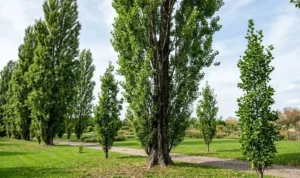
In its natural habitat, this perennial grows along the edges of forests where the light is filtered through the canopy of deciduous trees. You can replicate this in your garden by planting it under trees that leaf out later in the spring, allowing for early season light followed by summer shade. This seasonal shift in light intensity perfectly matches the plant’s growth cycle and helps it transition smoothly between phases. Understanding these natural patterns is a key part of professional garden planning and design for any homeowner.
If you plant the leopard’s bane in a location with too much direct sunlight, you will likely notice that the leaves become pale and eventually turn brown at the edges. The plant may also go into dormancy much earlier in the summer as a survival mechanism against the intense heat and light. To prevent this, you can use taller neighboring plants or garden structures to provide some afternoon relief from the sun. Providing the right light exposure is often the difference between a plant that merely survives and one that truly thrives.
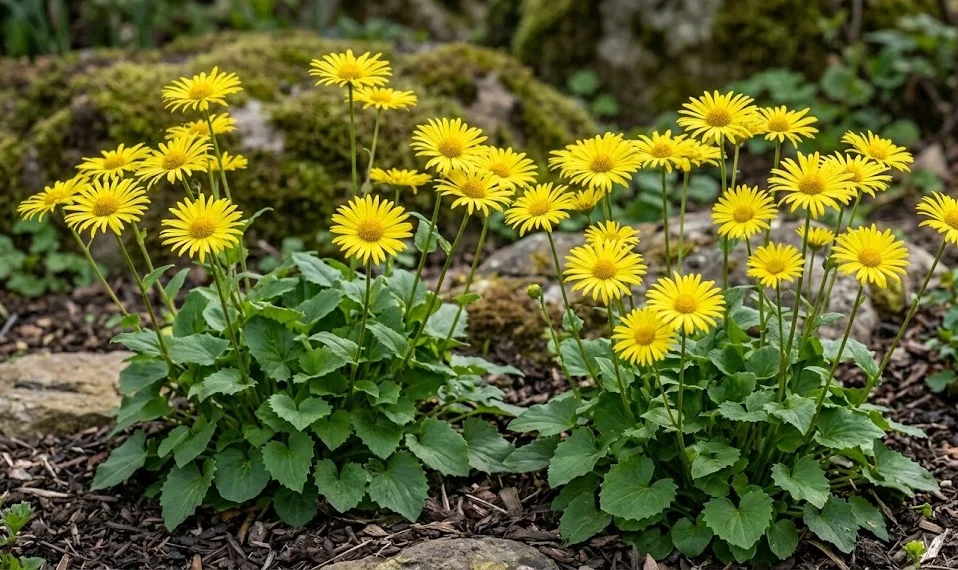
On the other hand, planting in deep, permanent shade can lead to other issues like sparse foliage and fewer, smaller flowers on weaker stems. The plant needs a certain amount of light to fuel the chemical processes that create those iconic yellow daisy-like blooms in the spring. You might notice the plant leaning or “stretching” toward the nearest light source if it is placed in a spot that is too dark for its needs. Finding that “goldilocks” zone of dappled light is the secret to a professional-looking and healthy perennial display.
Adapting to seasonal changes in light intensity
The light levels in your garden will change significantly from the early spring to the late summer, and your plant care should adapt accordingly. In the early spring, before the trees have fully leafed out, the Caucasian leopard’s bane benefits from the increased light to power its rapid growth. You should ensure that there are no permanent structures blocking this valuable early season sunshine from reaching the ground level. This initial boost of energy is what allows the plant to produce such a vibrant and heavy set of flowers so early in the year.
More articles on this topic
As the season progresses into late May and June, the surrounding trees will fill in and provide more consistent shade for the garden floor. This is exactly what the plant needs as the air temperatures rise and the soil begins to dry out more quickly. You should observe how the shadows move across your garden beds during different times of the day throughout the season. This professional level of observation will help you determine if you need to move a plant or prune a nearby shrub to improve the lighting conditions.
In the height of the summer, the dense shade from mature trees provides a cool microclimate that helps the leopard’s bane survive the hottest weeks of the year. If you find that a particular spot has become too shaded due to the growth of nearby evergreens, you might need to thin out some branches to allow more light to penetrate. Maintaining the right light environment is an ongoing process that requires you to stay engaged with the natural evolution of your landscape. Always remember that a garden is a living system that is constantly changing and growing over time.
During the autumn months, the light levels will begin to decrease again as the days get shorter and the sun sits lower in the sky. While the plant is preparing for dormancy and no longer needs as much energy, consistent light still helps with the final stages of nutrient storage in the roots. You can take this time to evaluate the overall performance of the plant and decide if its current light exposure was successful for the year. Keeping detailed notes on these observations will help you make better gardening decisions in the future and improve your professional skills.
Impact of light on flower production and foliage health
The quantity and quality of light directly affect how many flowers your Caucasian leopard’s bane will produce each spring. In a site with optimal light, you can expect a dense clump of foliage topped with a large number of bright, sturdy flowers that last for several weeks. The light triggers the production of specific hormones within the plant that are responsible for flower bud development and stem strength. A plant that receives professional-level light care will always be a standout feature in any spring-themed garden or landscape.
More articles on this topic
If you notice that your plant is producing lots of leaves but very few flowers, it might be an indication that the light levels are a bit too low. You can try to improve the situation by carefully pruning back any overhanging branches that might be casting too much shade on the area. Sometimes just a small increase in the amount of morning sun can make a big difference in the flowering potential of the perennial. It is always worth experimenting with light levels to find the perfect spot for each individual species in your collection.
Light also plays a critical role in the health and color of the plant’s unique heart-shaped foliage throughout the growing season. In the right light, the leaves will be a deep, vibrant green with a healthy texture that resists tearing and environmental damage. If the light is too intense, the leaves may take on a yellowish or washed-out appearance as the chlorophyll is stressed by the radiation. Monitoring the leaf color is one of the easiest ways for you to check if your plant is happy with its current lighting situation.
Finally, the direction of the light can influence the overall shape and habit of the plant as it grows over several years. Plants naturally grow toward the light, so a one-sided light source can cause the leopard’s bane to become lopsided or leggy over time. You can encourage a more balanced and attractive growth pattern by ensuring that the light reaches the plant from several different angles. A well-shaped and evenly grown plant is the hallmark of a professionally maintained garden and shows a high level of attention to detail.