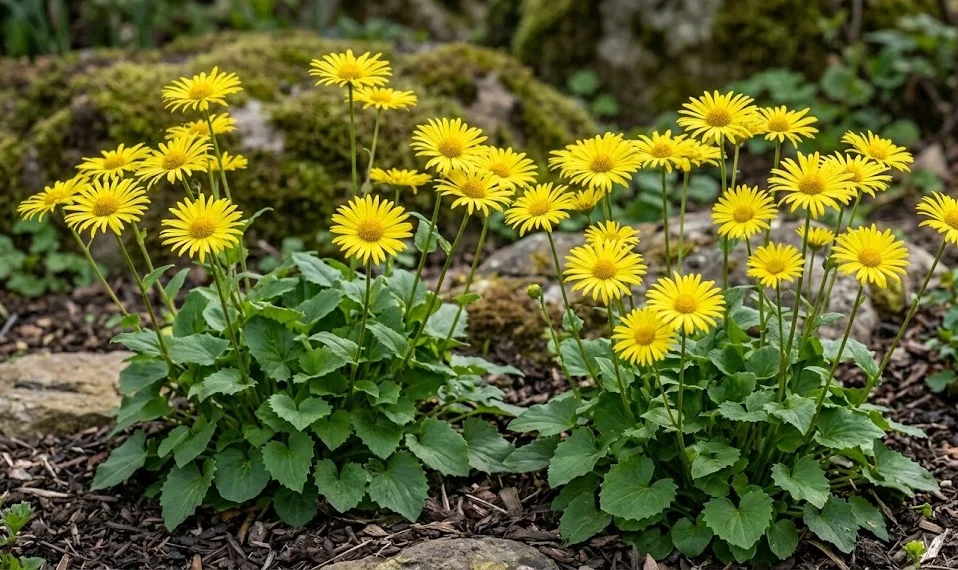

Powdery mildew is one of the most common fungal issues that affects the Caucasian leopard’s bane during periods of high humidity. You will recognize this disease by the white, flour-like coating that appears on the surface of the green leaves. It often starts as small, isolated spots but can quickly spread to cover the entire plant if the environmental conditions are favorable. While it rarely kills the plant, it can significantly weaken it and make the foliage look very unattractive.
To prevent powdery mildew, you should focus on improving the air circulation around your plants by giving them enough space to grow. You can also thin out some of the older foliage in the center of the clump to allow more wind to pass through the leaves. It is also helpful to avoid overhead watering, as wet leaves are the primary environment where fungal spores germinate. If you must water from above, do it early in the day so the leaves have time to dry completely.
If you notice the first signs of mildew, you can use a simple spray made from a mixture of milk and water to control its spread. Professional gardeners often use a solution of one part milk to nine parts water, which changes the pH on the leaf surface and inhibits fungal growth. You should apply this mixture every week or after every rain to keep the disease under control. There are also many organic fungicides available at garden centers that use sulfur or neem oil as active ingredients.
In severe cases, you may need to remove and destroy the most heavily infected leaves to prevent the spores from spreading to other nearby plants. You should never put diseased foliage into your compost pile, as the heat may not be high enough to kill the fungal spores. Cleaning up all fallen leaves and debris around the base of the plant in the autumn is also a critical step for long-term prevention. Constant vigilance and early intervention are the best ways to keep your leopard’s bane looking its best.
Root rot and drainage issues
Root rot is a serious condition that can lead to the sudden death of your Caucasian leopard’s bane if the soil remains too wet for too long. You might notice the plant wilting even when the soil is moist, or the leaves might turn a dull yellow and feel soft to the touch. This disease is caused by various soil-borne pathogens that thrive in oxygen-poor, waterlogged environments. Since the roots are hidden underground, you often don’t realize there is a problem until the damage is already quite advanced.
More articles on this topic
The best defense against root rot is to ensure that your planting site has excellent drainage from the very beginning. If your garden has heavy clay soil, you should plant the leopard’s bane in raised beds or incorporate plenty of coarse sand and organic matter to improve the structure. You can also check for low spots in the garden where water might collect after a heavy storm and avoid planting there. Proper soil preparation is far more effective than trying to cure a plant that is already suffering from rotted roots.
If you suspect a plant is suffering from root rot, you should carefully dig it up and inspect the root system for any damage. Healthy roots should be firm and white or light brown, while rotted roots will be black, mushy, and often have a foul smell. You can try to save the plant by cutting away the diseased sections with a sterilized knife and replanting the healthy part in fresh, well-draining soil. However, if the majority of the root system is affected, it is usually better to dispose of the plant and start over with a healthy specimen.
Always clean your gardening tools after working with a plant that you suspect might have root rot or any other soil-borne disease. This prevents the accidental transfer of pathogens from one part of your garden to another via your shovel or trowel. You should also avoid over-watering during the cooler months when the plant’s metabolism is slower and it doesn’t need as much moisture. A careful and observant approach to soil moisture will keep the roots of your perennials healthy and strong.
Common insect pests and their control
Slugs and snails are the most frequent insect-like pests that target the lush, heart-shaped leaves of the Caucasian leopard’s bane. You will often see large, irregular holes in the foliage and tell-tale silvery slime trails on the ground around the plant. These pests are most active at night or during cloudy, damp weather when they can move easily across the garden. If left unchecked, a large population of slugs can quickly defoliate a young or newly divided plant.
More articles on this topic
You can manage slug populations by using organic bait pellets that are safe for pets and local wildlife in your garden area. Another effective method is to create physical barriers, such as copper tape or crushed eggshells, around the base of the plant to deter them from climbing up. Some gardeners also use beer traps, which attract the slugs and cause them to drown in a small container of liquid. Regularly checking under the leaves and removing the pests by hand is a simple but time-consuming way to protect your plants.
Aphids are another pest that might occasionally appear on the tender stems and underside of the leaves in the early spring. These tiny, soft-bodied insects suck the sap from the plant and can cause the new growth to become distorted or stunted. You can usually remove aphids by simply spraying the plant with a strong stream of water from your garden hose. If the infestation is more severe, an application of insecticidal soap or neem oil will usually take care of the problem without harming beneficial insects.
Encouraging natural predators like ladybugs, hoverflies, and birds in your garden is the most sustainable way to keep pest populations in check. You can plant a variety of flowers that attract these helpful creatures and provide them with a safe habitat to live in. A balanced garden ecosystem will often regulate itself, meaning you won’t need to rely on harsh chemical pesticides to keep your leopard’s bane healthy. Professional horticultural practices always prioritize biological controls over chemical interventions whenever possible.
Environmental stress and physiological disorders
Not every problem with your Caucasian leopard’s bane is caused by a living pathogen or an insect pest. Sometimes the plant shows symptoms like yellowing leaves or stunted growth due to environmental stress factors like extreme heat or nutrient imbalances. You should consider the overall weather patterns and your recent garden maintenance tasks when trying to diagnose a plant issue. Understanding these non-biological problems is an important part of professional plant diagnostics and care.
Leaf scorch is a common physiological disorder that happens when the plant loses water faster than it can be replaced by the roots. This usually occurs during very hot, windy days when the plant is exposed to direct afternoon sunlight for several hours. The edges of the leaves will turn brown and crispy, giving the plant a ragged and unhealthy appearance. To prevent this, make sure the plant has adequate shade and that you are maintaining consistent soil moisture during the hottest parts of the year.
Chlorosis is another condition where the leaves turn pale green or yellow while the veins remain dark green, usually indicating a lack of iron. This often happens in alkaline soils where the high pH prevents the plant from absorbing the iron that is already present in the ground. You can treat this by applying a chelated iron supplement or by working on lowering the soil pH with organic amendments. Identifying the specific nutrient deficiency allows you to provide a targeted solution that quickly restores the plant’s health.
Sudden changes in temperature in the late spring can also cause physical damage to the emerging flower buds and tender new foliage. You might notice the tips of the leaves turning black or the flowers failing to open properly after a surprise frost. While the plant will usually recover and produce new leaves, the damage to that season’s bloom display can be quite disappointing. Providing a temporary cover during cold nights is the best way to protect your investment from unpredictable weather patterns.
Long-term prevention and garden hygiene
The best way to deal with diseases and pests is to prevent them from entering your garden in the first place through good hygiene practices. You should always inspect new plants thoroughly before bringing them home from the nursery to ensure they are free of pests and fungi. It is often a good idea to keep new arrivals in a separate area for a week or two just to be certain they are healthy. This simple quarantine step can save you a lot of trouble and heartache in the future.
Keeping your garden beds clean and free of dead plant material is another essential step for long-term health and disease prevention. You should remove any old flower stems and yellowing leaves as soon as they appear throughout the growing season. In the late autumn, do a thorough cleanup of all perennial debris to remove potential overwintering sites for pests and pathogens. A tidy garden is not just about aesthetics; it is a fundamental part of maintaining a professional and healthy landscape.
Rotating the location of your plants every few years during division can also help to break the life cycles of soil-borne pests and diseases. If a plant has suffered from a particular issue in one spot, you might consider moving its divisions to a completely different part of the garden. Fresh soil often provides a clean slate and can help a struggling plant regain its former vigor and health. Constant renewal of the garden environment is a hallmark of successful long-term horticultural management.
Finally, you should stay informed about any new pests or diseases that might be affecting plants in your local region or climate zone. Your local agricultural extension office or gardening club can be a great resource for updated information and professional advice. By being proactive and staying curious, you can adapt your care routines to meet the changing challenges of your specific environment. A healthy and resilient Caucasian leopard’s bane is a testament to the skill and dedication of the gardener who cares for it.