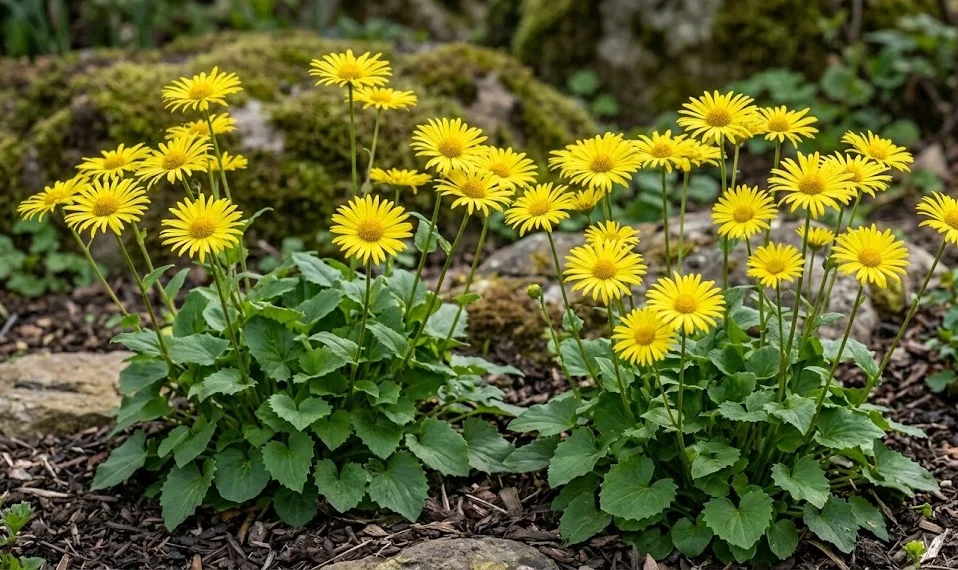

As the days grow shorter and the temperatures begin to drop, it is time to prepare your Caucasian leopard’s bane for the winter. This perennial is naturally hardy, but taking a few extra steps in the autumn will ensure it returns with full vigor in the spring. You should start by removing any dead or dying foliage that has finished its growth cycle for the year. This prevents the buildup of mold and provides a cleaner environment for the plant to rest during its dormant period.
The final cleanup should also include removing any weeds that have managed to establish themselves around the base of the plant. Weeds can act as a bridge for pests and diseases to survive the winter and attack your perennials as soon as they emerge in the spring. You should use a hand tool to gently pull the weeds without disturbing the shallow root system of the leopard’s bane. A clean garden bed is much easier to manage once the first snow falls or the ground freezes solid.
During the late autumn months, you should check the moisture levels in the soil one last time before the ground potentially freezes. While the plant doesn’t need as much water during dormancy, it should not go into the winter in bone-dry soil. If the autumn has been particularly dry, give the area a deep watering to ensure the roots are well-hydrated. This hydration helps the plant tissues resist the drying effects of cold winter winds and prevents cellular damage.
Avoid the temptation to cut the plant back all the way to the ground if there is still some green foliage remaining. The plant is still moving nutrients from the leaves down into the roots for storage until the very last moment. Wait until the foliage has completely turned brown and withered before you perform your final pruning of the season. This careful timing allows the plant to maximize its energy reserves for a spectacular display in the following spring.
Mulching for thermal protection and moisture
Applying a layer of mulch is one of the most effective ways to protect the root system of your Caucasian leopard’s bane from winter extremes. You should use a layer of organic material like shredded leaves, wood chips, or clean straw to a depth of about two to three inches. This layer acts as an insulator, keeping the soil temperature more stable even when the air temperature fluctuates wildly. It also helps to prevent the soil from heaving during freeze-thaw cycles, which can expose the roots to the cold.
More articles on this topic
When applying the mulch, be careful to keep it an inch or two away from the actual crown of the plant to prevent rot. You want to cover the surrounding soil where the roots are located rather than burying the heart of the perennial. If the crown is kept too wet and covered during the winter, it can become a breeding ground for fungal pathogens. A properly mulched garden bed will look much neater and provide a professional level of care for your woodland species.
In areas where winters are particularly harsh or snowless, you might want to use a slightly heavier layer of mulch for added security. Evergreen boughs or a light covering of pine needles can provide excellent protection without compacting too much under the weight of winter weather. These materials also allow for some air circulation, which is important even during the dormant phase of the plant’s life. You can easily remove or spread out this extra protection once the ground begins to thaw in the early spring.
Mulching also serves the secondary purpose of suppressing the germination of winter weeds that might try to take over the empty spaces in your garden. By keeping the soil covered, you are making your future spring maintenance much easier and less time-consuming for yourself. The organic matter in the mulch will slowly break down over time, adding valuable nutrients back into the soil for the next growing season. This cycle of protection and nourishment is a cornerstone of professional perennial management and soil health.
Understanding the dormancy cycle and winter health
The Caucasian leopard’s bane enters a state of deep dormancy during the winter months to protect itself from the cold and lack of light. You will not see any visible growth above the ground, but the roots remain alive and active at a much slower metabolic rate. This is a critical time for the plant to rest and reset its biological clock for the upcoming flowering season in the spring. Understanding this quiet phase of the plant’s life helps you avoid unnecessary interventions that might disrupt its natural rhythm.
More articles on this topic
You should monitor the garden periodically during the winter to check for any signs of animal damage or soil erosion around your perennials. Hungry rabbits or deer might occasionally nibble on the crowns of dormant plants if other food sources are scarce in the landscape. If you notice this problem, you can use a small piece of wire mesh or a professional animal repellent to protect the area. Keeping a watchful eye on your garden even in the off-season is the mark of a truly dedicated and professional gardener.
Extreme winter weather, such as heavy ice storms or prolonged periods of deep freezing, can be stressful even for hardy plants like the leopard’s bane. You should avoid walking on the frozen garden beds as much as possible to prevent soil compaction and physical damage to the dormant crowns. The soil structure is particularly vulnerable when it is frozen, and any pressure can collapse the tiny air pockets that roots need to breathe. Staying on the designated paths is a simple but effective way to preserve the health of your garden throughout the winter.
The length of the dormancy period can vary depending on your local climate and the specific weather patterns of the year. In some milder regions, you might see the first signs of green growth as early as late February or early March if the soil warms up quickly. In colder areas, the plant may remain completely hidden under the soil until the middle of April when the spring truly arrives. Being patient and allowing the plant to wake up on its own schedule is the best way to ensure a healthy and successful start to the new year.
Transitioning back to spring and early growth
As the first warm days of spring arrive and the snow begins to melt, it is time to start transitioning your plants out of their winter protection. You should gradually pull back the heavy mulch from the crowns of the Caucasian leopard’s bane to allow the soil to warm up more quickly. This light and air will trigger the plant to start sending up its first new leaves and flower buds from the ground. Be careful not to damage any of the tender green tips that might already be emerging just below the surface.
If you used evergreen boughs or other temporary covers, you can remove them once the threat of extreme sub-zero temperatures has passed. It is often a good idea to keep a small amount of mulch nearby in case a sudden late-spring frost is predicted in the weather forecast. You can quickly toss the material back over the new growth to provide a few degrees of extra warmth and protection from the ice. This kind of proactive monitoring is what ensures a perfect bloom display every single year in a professional garden.
Once the new growth is well-established and a few inches tall, you can perform a light spring cleanup of the area. This is a great time to apply a balanced, slow-release fertilizer to give the plant the nutrients it needs for its upcoming growth spurt. You should also check for any signs of winter damage to the roots or crown and address any issues as soon as possible. Starting the season with a healthy and well-cared-for plant will lead to much better results throughout the entire spring and summer.
Finally, take a moment to admire how well your Caucasian leopard’s bane survived the winter thanks to your careful preparation and maintenance. The vibrant yellow flowers will soon be a reward for the work you did in the cold days of the previous autumn. Every year you successfully overwinter your perennials, you gain more knowledge and experience that makes you a more effective and professional gardener. This cycle of care and growth is what makes gardening such a rewarding and lifelong pursuit for so many people.