
Taking care of the Caucasian leopard’s bane requires a balanced approach to gardening that respects the plant’s seasonal needs. You should observe the plant closely from the very first sign of growth in the early spring months. Maintaining a consistent environment will allow the yellow blooms to develop their full potential and vibrancy. Expert gardeners often emphasize that patience is the key to managing this particular perennial species successfully.
The plant thrives best when you pay attention to the specific moisture levels in the surrounding soil during the peak growing season. It is vital to avoid letting the ground become completely parched, as this can lead to premature wilting of the foliage. You can help the plant by adding a thin layer of organic mulch around the base to keep the roots cool. This practice also helps in suppressing weeds that might compete for the same resources in the flower bed.
As the summer progresses, the care routine shifts from promoting growth to preserving the core health of the root system. You may notice that the plant begins to look less energetic after the flowering period has finally come to an end. This is the perfect time to evaluate the overall condition of the leaves and check for any signs of nutritional deficiencies. Providing a light application of compost can give the plant the necessary boost to recover from its reproductive phase.
During the autumn months, your primary focus should be on preparing the Caucasian leopard’s bane for the upcoming colder temperatures. You should refrain from heavy fertilization late in the year to prevent soft new growth that could be damaged by frost. Instead, focus on cleaning up the area and removing any debris that could harbor pathogens over the winter. A tidy garden bed ensures that the plant has the best possible start when the next spring arrives.
Soil and site selection
The quality of the soil plays a fundamental role in how well your Caucasian leopard’s bane will perform over several years. This species prefers a soil structure that is rich in organic matter and has the ability to retain some moisture. You should avoid heavy clay soils that do not drain well, as standing water can quickly cause the roots to rot. Incorporating well-rotted manure or leaf mold into the planting hole can significantly improve the local soil conditions.
More articles on this topic
A neutral to slightly acidic pH level is generally considered ideal for these plants to absorb the necessary micronutrients. You can test your garden soil with a simple kit to determine if any adjustments are needed before you begin planting. If your soil is naturally very sandy, adding plenty of compost will help it hold onto water and nutrients more effectively. Consistency in the substrate quality will lead to a much more resilient and visually appealing plant in the long run.
The physical location of the plant in your garden also dictates the level of care it will require on a daily basis. Since this plant naturally grows in woodland edges, it appreciates a spot that offers dappled sunlight or partial shade. Intense afternoon sun can be quite stressful for the leaves, causing them to scorch or droop during the hottest parts of the day. Placing it near larger shrubs or under the canopy of a deciduous tree can provide the perfect microclimate.
Air circulation is another factor that many gardeners overlook when choosing a site for their leopard’s bane. Good airflow around the foliage helps to prevent the development of fungal diseases like powdery mildew during humid weather. You should space the plants far enough apart to allow wind to move freely between the leaves and stems. This simple environmental adjustment can drastically reduce the need for chemical treatments and interventions later in the season.
Seasonal monitoring and observation
Keeping a close eye on the development of the plant throughout the four seasons is the mark of a truly dedicated gardener. You will find that the Caucasian leopard’s bane communicates its needs through the color and texture of its leaves. If the green starts to pale or turn yellow during the spring, it might be a sign that the soil lacks nitrogen. Regular observations allow you to catch these small issues before they become major problems for the plant’s health.
More articles on this topic
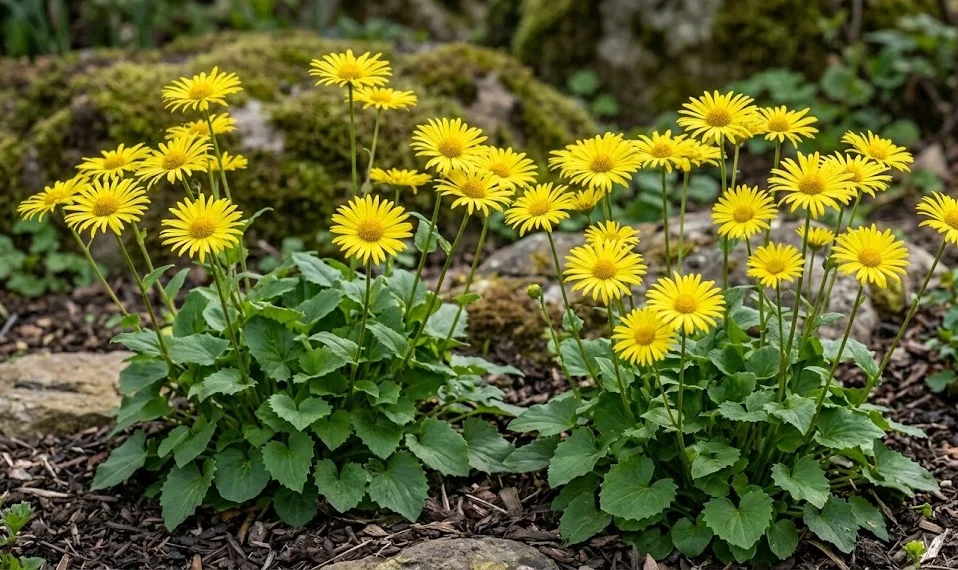
The flowering period is particularly demanding for the plant and requires you to be more proactive with your garden checks. You should look for any signs of insect damage on the tender stems that support the heavy yellow flowers. Sometimes, the weight of the blooms can cause the stems to lean or break if the plant is in a very windy spot. Providing subtle support or choosing a sheltered location can help the plant maintain its upright and elegant appearance.
In the middle of the summer, the plant might enter a semi-dormant state if the environmental conditions become too harsh. You should not be alarmed if the plant looks less vibrant than it did during the lush spring months. Continue to provide moderate water and keep the root area cool with mulch to help it survive the heat. This is a natural adaptation that allows the plant to conserve energy for the next growing cycle.
The return of cooler weather in the fall often brings a second flush of foliage growth if the plant was well-maintained. You can take this opportunity to remove any old or damaged leaves that are lingering from the summer period. This keeps the plant looking fresh and reduces the risk of pests seeking shelter in the dying foliage. A final check of the plant’s crown before winter ensures that it is sitting at the correct depth in the soil.
Managing the root environment
The root system of the Caucasian leopard’s bane is relatively shallow, which makes it sensitive to surface changes in the garden. You should avoid heavy cultivation or digging immediately around the base of the plant to prevent accidental root damage. Using a hand tool for weeding is much safer than using a large hoe near the delicate crown of the perennial. Keeping the roots undisturbed allows the plant to form a much stronger and more extensive network over time.
Moisture management is the most critical aspect of caring for the root zone of this specific species. You should aim for a soil consistency that feels like a wrung-out sponge, neither bone dry nor soaking wet. In periods of heavy rain, ensure that the drainage paths in your garden are clear so that water can move away from the plant. On the other hand, during dry spells, a deep watering once or twice a week is better than frequent shallow sprays.
Soil temperature also has a significant impact on how the roots function and support the growth above ground. The shallow roots can overheat quickly if the soil is exposed to direct sunlight without any protective cover. By using wood chips or shredded leaves, you can create a thermal buffer that keeps the soil temperature stable. This leads to a more consistent growth pattern and reduces the stress levels experienced by the plant during extreme weather.
As the plant ages, the center of the root mass may become overly dense or woody, which can lead to a decline in vigor. You might notice that the number of flowers decreases or the foliage looks sparse in the middle of the clump. This is a signal that the roots need more space and fresh soil to continue thriving in your garden. Addressing this issue through division every few years is a standard part of professional perennial care.
Nutrient requirements and balance
Providing the right balance of nutrients ensures that the Caucasian leopard’s bane has the strength to produce its signature blooms. You should focus on a high-quality organic fertilizer that releases its components slowly over several weeks. Avoid using high-nitrogen products right before the flowering stage, as this can lead to excessive leaf growth at the expense of flowers. A balanced formula will support both the structural integrity of the plant and its reproductive success.
Trace minerals are often forgotten, but they play a vital role in the chemical processes within the plant’s cells. You can improve the mineral content of your soil by adding seaweed extracts or specialized rock dust during the spring. These additions help to strengthen the cell walls and make the plant more resistant to environmental stressors. A healthy plant with a full spectrum of nutrients will always look more vibrant and handle pests much better.
The timing of your nutrient applications is just as important as the type of fertilizer you choose to use. You should start the feeding program just as the first green tips emerge from the soil in the early spring. A second, lighter application can be done after the flowers have faded to help the plant replenish its energy reserves. Stop all feeding activities by mid-summer to allow the plant to naturally transition toward its dormant phase.
Always remember to water the plant thoroughly after applying any granular fertilizers to prevent root burn. The water helps to dissolve the nutrients and carry them down to the root zone where they can be absorbed. If you notice any salt buildup on the surface of the soil, it may be a sign that you are over-fertilizing. Adjusting your routine based on the visible health of the plant is the best way to achieve expert results.
Aesthetic maintenance and presentation
The visual appeal of the Caucasian leopard’s bane can be greatly enhanced through careful and thoughtful aesthetic maintenance. You should regularly remove spent flower heads to keep the plant looking tidy and to prevent it from wasting energy on seed production. This process, known as deadheading, encourages the plant to maintain its lush green foliage for a longer period. It also stops the plant from self-seeding in areas where you might not want new growth to appear.
The surrounding plants in your garden bed should be chosen to complement the bright yellow color and unique leaf shape of the leopard’s bane. You might consider planting it alongside blue-flowered perennials like forget-me-nots or lungwort for a striking color contrast. The varying textures of the foliage will create a more interesting and professional-looking landscape design. Proper spacing between different species ensures that each plant has enough room to show off its individual beauty.
During the height of the growing season, some of the older leaves at the bottom of the clump might start to turn brown. You should carefully snip these away at the base to improve the overall look of the plant and increase light penetration. This simple task also helps to keep the interior of the plant dry, which is a great way to prevent rot. A well-groomed plant is always more resistant to disease and looks much better in a professional garden setting.
As the plant matures, its overall shape can become a bit irregular if it is growing toward a light source. You can gently prune back any over-reaching stems to maintain a compact and rounded habit that fits your garden design. Keeping the plant in a neat form makes it easier to manage and integrates it better with the rest of your perennial border. Small, regular adjustments are always better than drastic cuts that might shock the plant’s system.
Long-term health and sustainability
Ensuring the long-term sustainability of your Caucasian leopard’s bane involves thinking ahead and planning for future growth. You should keep detailed records of when the plant was last divided and how it responded to different weather patterns. This information will help you make better decisions about care and maintenance in the coming years. A proactive approach to gardening always leads to better results and a more rewarding experience for you.
Integrating sustainable practices like composting and rainwater harvesting will benefit both the plant and the environment. You can create your own high-quality soil amendments right in your backyard using garden waste and kitchen scraps. This reduces the need for synthetic chemicals and creates a more natural growing environment for your perennials. Healthy, living soil is the foundation of any successful garden and is particularly important for woodland species.
You should also consider the role that the Caucasian leopard’s bane plays in your local ecosystem as an early-season nectar source. The bright yellow flowers are very attractive to bees and other pollinators that emerge early in the spring. By maintaining a healthy plant, you are supporting the biodiversity of your garden and helping local wildlife thrive. This ecological perspective adds another layer of value to the work you do in your landscape.
Finally, always be prepared to adapt your care routine as the local climate or garden conditions change over time. What worked five years ago might need to be adjusted if your garden has become shadier due to growing trees. Staying flexible and observant will allow you to continue enjoying the beauty of the leopard’s bane for decades. Professional gardening is a continuous learning process that evolves along with the living organisms in your care.