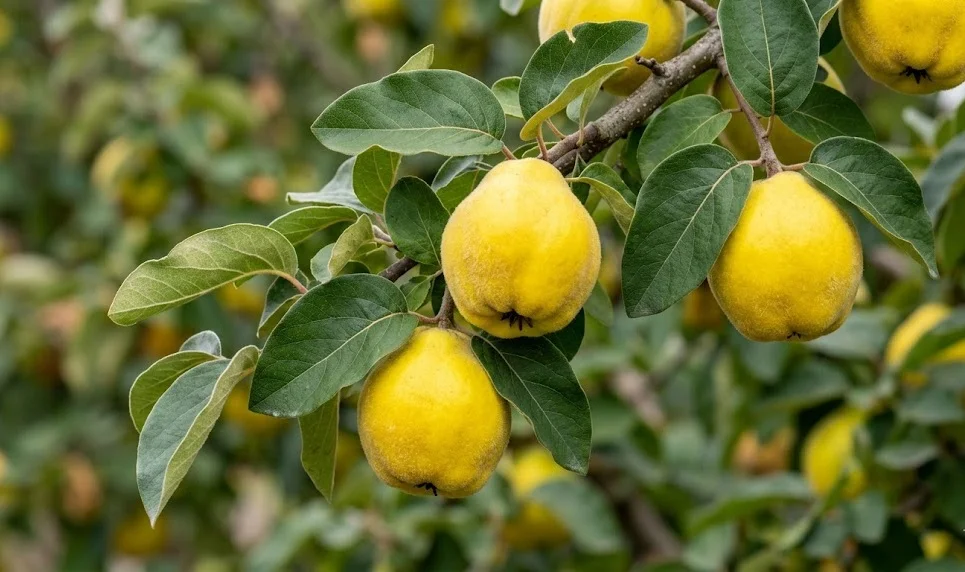

Preparing your quince tree for the winter months is a vital part of its annual care cycle, ensuring it survives the cold and emerges healthy in the spring. While quince trees are generally hardy, extreme temperatures or sudden fluctuations can cause significant damage to the bark and buds. A thoughtful approach to overwintering involves protecting the root system and managing the tree’s transition into dormancy. By taking a few preventative steps, you can safeguard your investment and look forward to a successful growing season.
The process of overwintering begins long before the first frost arrives in the late autumn. You should gradually reduce the amount of nitrogen-rich fertilizer you provide as the summer comes to an end. This encourages the tree to stop producing new, tender growth that would be easily killed by the cold. Allowing the existing wood to “harden off” is the natural way the tree prepares itself for the challenges of winter.
Monitoring the local weather forecasts will help you time your final winter preparations accurately. You should aim to have all your protective measures in place before the ground freezes solid for the first time. A sudden cold snap can be much more damaging than a gradual decline in temperature, as the tree has less time to adapt. Being proactive ensures that your tree is not caught off guard by the unpredictable nature of the changing seasons.
Humanizing the overwintering process means developing a sense of stewardship for the living things in your care. You are providing a safe haven for the tree during its most vulnerable time of the year. Seeing the tree through a harsh winter and watching it wake up in the spring is one of the most satisfying parts of gardening. Your efforts in the cold months are the foundation for the beauty and bounty that will follow in the warmth.
Cold hardiness and frost protection
Most quince varieties are rated for cold hardiness in zones 5 through 9, meaning they can tolerate significant freezing. However, even hardy trees can benefit from some extra protection if you live in a region with particularly harsh winters. You should be especially careful with young trees, as their bark is thinner and their root systems are less established. Placing a temporary windbreak around a small tree can prevent the desiccating effects of cold winter winds.
More articles on this topic
Late spring frosts are often more dangerous than the deep cold of mid-winter because they can kill the emerging blossoms. You should keep an eye on the buds as they begin to swell and be ready to provide cover if a frost is predicted. A simple burlap sack or an old bedsheet draped over the tree overnight can provide just enough warmth to save the crop. Remember to remove the cover during the day so the tree can benefit from the winter sun and fresh air.
The phenomenon of “sunscald” occurs when the winter sun warms the bark during the day, followed by a rapid freeze at night. This can cause the bark to crack and peel, creating an entry point for diseases in the following year. You can prevent this by painting the lower trunk with a diluted white latex paint or using commercial tree wraps. The white color reflects the sunlight, keeping the temperature of the bark more stable throughout the day.
Proper hydration before the ground freezes is a critical but often overlooked part of winter protection. You should ensure the tree receives a final deep watering in late autumn if the season has been dry. Once the ground is frozen, the roots can no longer take up water, and the tree must rely on its internal reserves. A well-hydrated tree is much better equipped to withstand the drying effects of cold air and wind.
Root insulation and soil management
The root system is the heart of the tree, and keeping it insulated from extreme cold is a top priority. You should apply a thick layer of organic mulch, such as wood chips or straw, around the base of the tree in late autumn. This layer acts as a thermal blanket, slowing down the rate at which the soil freezes and thaws. A stable soil temperature prevents the roots from being damaged by the physical movement of the ground during frost heaving.
More articles on this topic
The mulch layer should extend out at least as far as the drip line of the tree for maximum effectiveness. You should avoid piling the mulch directly against the trunk to prevent moisture buildup and potential rot during winter thaws. A depth of four to six inches is usually sufficient to provide excellent insulation in most climates. This simple task is one of the most effective things you can do to ensure the long-term survival of your quince tree.
Maintaining good drainage in the winter is just as important as it is during the summer growing season. You should ensure that any winter meltwater can flow away from the base of the tree rather than pooling and freezing. Standing water that turns into ice can deprive the roots of oxygen and lead to catastrophic damage. Clearing any debris from drainage ditches or low spots near the tree will help prevent these issues from occurring.
Avoid any heavy digging or soil disturbance near the tree once the weather turns cold and the ground begins to freeze. The roots of a dormant tree are less capable of recovering from physical damage than those of an actively growing one. Keeping the area around the tree quiet and undisturbed allows it to focus all its energy on survival. A peaceful winter for the root system leads to a more vigorous and healthy explosion of growth in the spring.
Stem wrapping and trunk protection
Young quince trees have relatively delicate bark that can be attractive to hungry rodents during the winter months. Rabbits and voles often gnaw on the bark near the ground line when other food sources become scarce. You can protect your tree by installing a physical guard made of fine hardware cloth or plastic mesh. The guard should be buried a few inches into the soil to prevent burrowing pests from reaching the roots.
Commercial tree wraps are another excellent option for protecting the trunk from both animal damage and sunscald. You should start the wrap at the base of the tree and wind it upward, overlapping the edges slightly to ensure complete coverage. The wrap should be removed in the early spring once the threat of extreme cold and hungry wildlife has passed. Leaving the wrap on for too long can trap moisture and encourage the growth of harmful fungi.
Regularly inspecting the trunk and lower branches during the winter allows you to catch any damage early. If you notice signs of chewing or cracking, you may need to adjust your protective measures or add extra layers. Taking a walk through your garden on a sunny winter day is a great way to stay connected with your plants. It also gives you a chance to clear away any heavy snow that might be weighing down the branches.
Protecting the graft union is particularly important for propagated trees, as this is often the most vulnerable part of the plant. You can mound up some extra soil or mulch around the base of the tree to cover the graft during the coldest months. Just remember to pull this extra material away once the weather begins to warm up in the spring. A little extra attention to the physical structure of the tree goes a long way in ensuring its longevity.
Transitioning into the spring season
As the days begin to lengthen and the first signs of spring appear, you should start gradually removing the winter protection. You should wait until the danger of extreme cold has passed before taking off trunk wraps or windbreaks. Removing the mulch layer is not necessary, but you should check to see if it needs to be replenished or loosened. This transition period is a delicate time as the tree begins to wake up from its long dormancy.
Cleaning up the orchard floor is a great first task for the early spring to prevent disease outbreaks. You should remove any broken branches or debris that accumulated during the winter storms. This is also the ideal time to perform your primary structural pruning while the branches are still bare. You can clearly see the shape of the tree and make decisions about which branches to keep for the coming year.
Monitoring the buds for activity will tell you when the tree is ready for its first spring feeding and watering. You will see the tips of the buds begin to show a bit of green as the sap starts to flow through the vascular system. This is the perfect moment to apply a balanced fertilizer to support the coming explosion of leaves and blossoms. The energy the tree saved during the winter is now ready to be put to good use.
Seeing your quince tree burst into flower after a long winter is one of the most joyful moments in the gardening year. Your careful preparation and protection have allowed the tree to survive and thrive despite the cold. Each blossom represents the potential for a delicious harvest and another successful season of growth. Overwintering is not just about survival; it is the essential preparation for the abundance that is to come.