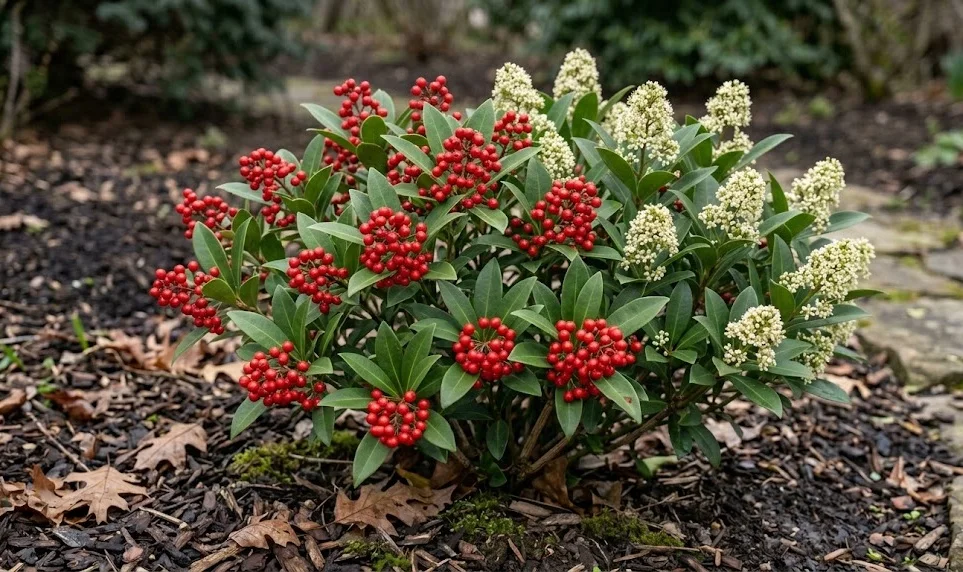

Mastering the hydration and nutritional needs of Japanese skimmia is the cornerstone of professional maintenance for this elegant evergreen. Because these shrubs are adapted to woodland environments, they have specific preferences that must be met to maintain their glossy foliage and seasonal berries. Water management involves more than just frequency; it requires an understanding of soil structure and the plant’s physiological response to moisture. Likewise, fertilization must be approached with precision to support the plant’s acidic requirements without causing damage to the delicate root system.
Consistency is the most important factor when it comes to watering these shrubs, especially during their first few years in the ground. You should aim to keep the soil evenly moist but never allowed to become saturated or swampy. During the peak of the summer heat, the evaporation rate increases, making it necessary to check the soil moisture daily. A deep watering twice a week is usually more effective than light daily sprinkling, as it encourages the roots to grow deeper into the earth.
The quality of the water you use can have a long-term impact on the health of your skimmia. Since these are acid-loving plants, they are highly sensitive to the calcium and lime often found in municipal tap water. Over time, using hard water can gradually raise the soil pH, leading to yellowing leaves and poor growth. Whenever possible, you should use collected rainwater, which is naturally soft and perfectly suited for the needs of ericaceous plants.
If you must use tap water, consider using a water treatment or occasionally flushing the soil with an acidic solution to counteract the lime buildup. You can also monitor the soil pH regularly using a simple home testing kit to ensure it stays within the ideal range of 4.5 to 5.5. If the pH begins to creep upward, adding a layer of acidic mulch or sulfur can help bring it back down. This proactive approach prevents the nutritional deficiencies that often plague these shrubs in alkaline environments.
Strategies for moisture retention and drainage
Providing the right amount of water is only half the battle; you must also ensure the soil can hold that moisture without becoming stagnant. In sandy soils, water drains away too quickly, leaving the plant thirsty even after a heavy rain. You can improve the water-holding capacity of sandy ground by incorporating plenty of organic matter like composted bark or leaf mold. This organic material acts like a sponge, keeping moisture available to the roots for a longer duration.
More articles on this topic
Conversely, in heavy clay soils, the primary concern is poor drainage, which can lead to the roots suffocating from a lack of oxygen. If you notice water pooling around the base of your shrub after rain, the drainage is likely insufficient. You can alleviate this problem by planting the skimmia on a slight mound or by adding grit to the planting area to create more air spaces. Proper soil structure is the best defense against root rot, which is one of the few things that can quickly kill an established plant.
Mulching is a highly effective professional technique for managing soil moisture throughout the year. A five-to-ten-centimeter layer of organic mulch will significantly reduce surface evaporation and keep the roots cool during the summer months. Materials such as pine needles, shredded bark, or well-rotted garden compost are excellent choices for this purpose. Be careful to leave a small gap around the main stem of the plant to allow for air circulation and prevent bark rot.
In the winter, mulch serves as an insulator, protecting the roots from the extreme temperature fluctuations of freezing and thawing. Even though the plant is dormant, the evergreen leaves continue to lose moisture through a process called transpiration. If the ground is frozen solid, the roots cannot replace this lost water, which can lead to winter burn on the foliage. Maintaining a thick layer of mulch helps keep the ground from freezing as deeply, allowing the plant to stay hydrated during cold snaps.
Choosing the right fertilizer for acid-loving shrubs
Fertilizing Japanese skimmia requires a specialized approach because standard garden fertilizers often contain too much calcium or lack essential micronutrients. You should always look for a product labeled specifically for ericaceous plants, such as those intended for azaleas, rhododendrons, or camellias. These fertilizers are formulated to provide nitrogen in a form that the plant can easily absorb in acidic conditions. They also typically include extra iron and magnesium, which are vital for maintaining the deep green color of the leaves.
More articles on this topic
The timing of fertilizer application is crucial to ensure the plant can utilize the nutrients effectively. The best time to feed your skimmia is in the early spring, just as the new growth begins to emerge from the buds. This provides the shrub with a boost of energy for the flowering season and the development of new foliage. You can apply a slow-release granular fertilizer around the base of the plant, gently scratching it into the top layer of the soil.
A second, lighter application can be made in the early summer to support the developing berries and the hardening of new wood. However, you must stop all fertilization by late summer to avoid stimulating soft new growth that could be damaged by the first frosts. Over-fertilizing can be just as harmful as under-fertilizing, as it can lead to a buildup of salts in the soil. Always follow the manufacturer’s instructions regarding the quantity and frequency of application to avoid burning the sensitive roots.
For plants grown in containers, a liquid ericaceous fertilizer is often the most convenient and effective option. Because pots have a limited volume of soil, the nutrients are washed away more quickly by frequent watering. Using a liquid feed every two to four weeks during the growing season ensures the plant has a constant supply of the minerals it needs. Always apply liquid fertilizer to damp soil, as applying it to dry roots can cause chemical stress and leaf drop.
Identifying and correcting nutrient deficiencies
Even with a regular feeding schedule, your skimmia may occasionally show signs of nutritional stress. The most common issue is iron chlorosis, which manifests as yellowing leaves with distinct green veins. This typically happens when the soil pH is too high, making the iron that is present in the soil unavailable to the plant. If you see these symptoms, the first step is to test the soil pH and adjust it downward using sulfur or iron sulfate.
Magnesium deficiency is another potential problem, which often looks similar to iron chlorosis but usually starts on the older leaves first. You can treat this by applying a small amount of Epsom salts dissolved in water or by using a fertilizer that specifically includes magnesium. It is important to differentiate between these two issues, as applying the wrong treatment will not solve the underlying problem. Regular observation of the foliage will help you catch these deficiencies before they severely impact the plant’s health.
Nitrogen deficiency can result in overall pale or stunted growth, making the plant look thin and lackluster. While skimmia is naturally slow-growing, a complete lack of vigor usually points to a need for a balanced ericaceous feed. Be careful not to provide too much nitrogen, however, as this can lead to excessive leaf growth at the expense of flowers and berries. A healthy plant should have dark, glossy leaves and a sturdy, compact habit that reflects a balanced intake of nutrients.
Environmental factors can sometimes mimic the signs of nutrient deficiencies, so it is important to rule them out first. For example, waterlogged soil can cause yellowing that looks like a lack of nitrogen but is actually caused by root damage. Similarly, too much direct sun can bleach the leaves, giving them a pale appearance that could be mistaken for chlorosis. Always consider the overall environment and watering history of the plant before deciding on a corrective fertilization plan.
Long-term soil health and maintenance
Maintaining the fertility of the soil over many years requires a commitment to building organic matter and monitoring chemical balance. As the plant grows, it will naturally deplete the nutrients in its immediate vicinity, making regular top-dressing essential. Every spring, you should add a fresh layer of compost or well-rotted manure to the surface of the soil around the plant. This not only provides nutrients but also improves the soil structure and encourages beneficial microbial activity.
Over time, the soil in your garden may naturally shift toward a more neutral pH, especially if you live in a limestone-heavy region. You should make a habit of testing the soil every couple of years to ensure it remains within the acidic range required by the skimmia. If you notice a gradual shift, you can use specialized soil acidifiers to maintain the correct environment. This long-term monitoring is the secret to keeping these shrubs healthy and productive for several decades.
For established plants, you can also use foliar feeding as a quick way to deliver nutrients directly to the leaves. This involves spraying a diluted liquid fertilizer onto the foliage, where it is absorbed through the stomata. Foliar feeding is particularly useful if the root system is temporarily stressed or if the soil pH is making nutrient uptake difficult. It provides an immediate boost but should always be used as a supplement to, not a replacement for, traditional soil fertilization.
Finally, remember that a healthy plant is much more resilient to pests, diseases, and environmental changes. By providing the correct amount of water and the right balance of nutrients, you are giving your Japanese skimmia the best possible foundation. It is a plant that rewards the attentive gardener with a spectacular display of green foliage and bright winter berries. With these professional watering and fertilizing techniques, your shrubs will continue to thrive and enhance your landscape for many years to come.