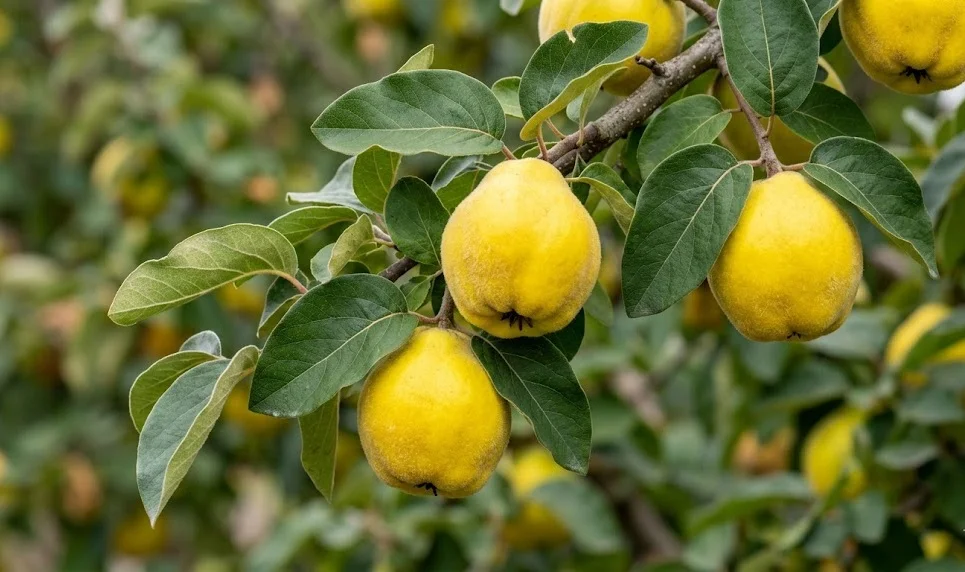

Protecting your quince tree from various diseases and pests is a critical part of maintaining a healthy and productive orchard. Quince is particularly susceptible to certain bacterial and fungal infections that can damage the fruit and the structural integrity of the tree. By implementing a proactive management strategy, you can minimize the impact of these threats and ensure a successful harvest. Understanding the life cycles of common pests allows you to intervene at the most effective moments.
Early detection is the most powerful tool you have in the fight against pathogens and destructive insects. You should make a habit of inspecting the leaves, bark, and developing fruit at least once a week during the growing season. Look for any unusual spots, wilting branches, or signs of insect activity that could indicate the start of an infestation. The sooner you identify a problem, the easier it will be to treat it using natural or targeted methods.
Hygiene in the garden plays a vital role in preventing the spread of diseases from one year to the next. You must remove and destroy any fallen leaves or mummified fruit that could harbor overwintering spores or larvae. Pruning tools should always be disinfected after each use to prevent the accidental transfer of bacteria between trees. A clean and well-maintained orchard is much less likely to suffer from severe disease outbreaks.
Humanizing the process of pest control means recognizing that a completely sterile garden is neither possible nor desirable. Your goal should be to manage the populations of harmful organisms so they do not cause significant damage to the crop. Using a variety of methods, from physical barriers to encouraging natural predators, creates a more balanced and resilient environment. Patience and persistence are key when dealing with the inevitable challenges that nature presents.
Managing the threat of fire blight
Fire blight is arguably the most serious bacterial disease that affects quince trees and can be devastating if left unchecked. You will notice the tips of the branches turning black and curling into a shape that resembles a shepherd’s crook. The infected leaves often remain attached to the tree, giving it a scorched or “fired” appearance during the height of the summer. This pathogen thrives in warm, humid weather and can spread rapidly through rain, wind, and insects.
More articles on this topic
To control fire blight, you must aggressively prune out the infected wood as soon as you see the symptoms appearing. You should cut at least twelve inches below the visible edge of the infection into healthy, green wood. It is absolutely essential to disinfect your pruning shears with alcohol between every single cut to prevent spreading the bacteria further. Burn or deeply bury the infected material rather than composting it to ensure the bacteria are destroyed.
Choosing resistant varieties is one of the best long-term strategies for avoiding the heartbreak caused by fire blight. While no quince is completely immune, some cultivars show much greater tolerance to the infection than others. You should also avoid excessive nitrogen fertilization, as the soft, succulent growth it produces is much more vulnerable to attack. Maintaining a balanced growth rate helps the tree develop its own natural defenses against the bacteria.
Preventative sprays containing copper can be applied during the dormant season and early spring to reduce the bacterial population on the bark. You should time these applications carefully to coincide with the opening of the blossoms when the tree is most at risk. Monitoring the weather for periods of high humidity and moderate temperatures will help you predict when fire blight is most likely to strike. Constant vigilance is required to keep this aggressive disease under control in a susceptible orchard.
Common fungal infections and their control
Leaf spot and fruit rot are common fungal issues that can diminish both the beauty and the utility of your quince crop. You might see small, dark brown spots appearing on the leaves, which can lead to premature defoliation if the infection is severe. These fungi often overwinter on fallen debris, so thorough autumn cleanup is your first line of defense. Ensuring good air circulation through proper pruning also helps the foliage dry quickly after rain.
More articles on this topic
Brown rot is another fungal disease that specifically targets the ripening fruit, turning it into a soft, fuzzy mass of decay. You should remove any infected fruit from the tree immediately to prevent the fungus from spreading to healthy neighbors. Avoiding overhead watering is a simple but effective way to keep the fruit dry and less hospitable to fungal spores. If you live in a particularly damp climate, you may need to use organic sulfur-based sprays to protect your crop.
Quince rust is a unique fungal disease that requires an alternate host, such as a cedar or juniper tree, to complete its life cycle. You will see orange, gelatinous growths appearing on the fruit and young twigs, often accompanied by distorted growth. If possible, you should avoid planting quince near these alternate hosts to break the cycle of infection. If the disease is already present, removing the infected parts of the quince tree can help slow its progress.
Powdery mildew can sometimes appear on the young leaves and shoots, coating them in a white, flour-like substance. This fungus thrives in conditions of high humidity but dry leaf surfaces, making it a common problem in late summer. You can treat minor infections with a simple spray of diluted milk or a potassium bicarbonate solution. Keeping the tree well-hydrated and avoiding excessive shade will also make it less susceptible to this unsightly but rarely fatal issue.
Insect pests and integrated management
Aphids are small, sap-sucking insects that can cause the leaves of your quince tree to curl and turn yellow. They often congregate on the tender new growth at the tips of the branches, secreting a sticky substance known as honeydew. You can usually manage small populations by simply blasting them off with a strong stream of water from a garden hose. Encouraging natural predators like ladybugs and lacewings is a more sustainable long-term solution for aphid control.
Codling moth larvae are the primary cause of “wormy” fruit in many orchards, including those with quince trees. The adult moths lay their eggs on the leaves or fruit, and the emerging larvae burrow into the core to feed. You can use pheromone traps to monitor the population of adult moths and time your interventions more accurately. Wrapping the trunk with corrugated cardboard can provide a hiding place for the larvae which you can then remove and destroy.
Scale insects can sometimes be found clinging to the bark of the branches, looking like small, immobile bumps. These pests feed on the sap and can significantly weaken the tree if their numbers are allowed to grow unchecked. A dormant oil spray applied in the late winter is an effective way to smother the scale insects without using harsh chemicals. Regularly scrubbing the branches with a soft brush can also help remove small infestations of this persistent pest.
Spider mites are tiny arachnids that can become a problem during hot, dry weather, causing the leaves to look stippled or bronzed. They often produce fine webbing on the undersides of the leaves where they hide and reproduce. Maintaining high humidity around the tree and keeping it well-watered will discourage these pests from taking hold. If an intervention is necessary, insecticidal soaps or neem oil are effective and relatively gentle options for control.
Preventive measures and spraying programs
A successful spraying program for quince trees should be based on prevention rather than just reacting to problems. You should start the year with a dormant oil or copper spray to kill any overwintering pests and pathogens on the bark. This early intervention sets a clean slate for the coming growing season and reduces the need for more aggressive treatments later. Always choose the least toxic options available to protect the health of your garden’s ecosystem.
Timing is the most critical element of any spray application to ensure it is both effective and safe for pollinators. You should never apply insecticides while the tree is in full bloom to avoid harming the bees that are essential for fruit production. Most preventative sprays are best applied in the early morning or late evening when the wind is calm and the sun is not too intense. Following the manufacturer’s directions exactly is vital for your safety and the health of the tree.
Keeping detailed records of your observations and treatments will help you refine your management strategy over several years. You might notice that certain pests appear at the same time each year, allowing you to be ready for them in advance. Recording the effectiveness of different products or methods helps you make better decisions in the future. Gardening is a continuous learning process, and your own data is your most valuable resource.
Physical barriers can often be more effective than chemical sprays for certain types of pests and diseases. You might consider using fine netting to protect the ripening fruit from birds or larger insects like wasps. Bags made of mesh or paper can be placed around individual fruits to prevent codling moth damage without any chemicals at all. These labor-intensive but highly effective methods are perfect for the dedicated home gardener who wants the cleanest possible harvest.