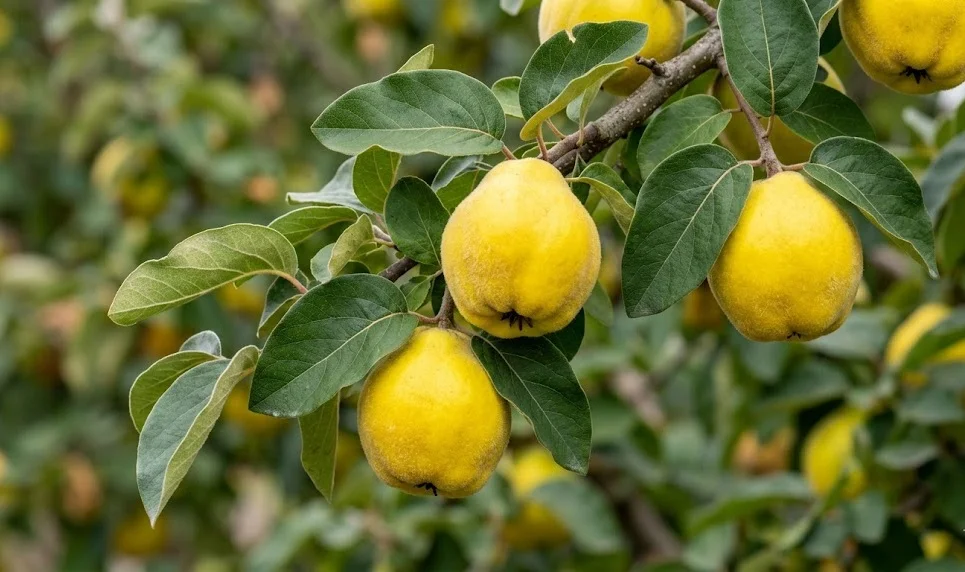

Maintaining the proper balance of moisture and nutrients is essential for the health and productivity of your quince tree. These trees have a moderate demand for water, especially during the critical stages of flowering and fruit development. Fertilization should be handled with a gentle touch to avoid overstimulating vegetative growth at the expense of fruit quality. By understanding the specific needs of your tree throughout the year, you can ensure it remains vigorous and resilient.
The irrigation needs of a quince tree will vary depending on the age of the plant and the local weather conditions. You should pay close attention to the soil moisture levels, especially during the long, dry months of mid-summer. A tree that is stressed by drought will often produce smaller fruit and may become more susceptible to pests. Conversely, overwatering can lead to poor soil aeration and the development of destructive root diseases.
Feeding your tree is a long-term investment in the quality of the soil and the overall health of the orchard. You should focus on building a living soil that can provide a steady supply of nutrients over several months. Chemical fertilizers should be used sparingly and only when soil tests indicate a specific deficiency that needs correction. A natural, organic approach to fertilization often yields the most sustainable and flavor-rich results.
Humanizing the process of watering and feeding means learning to read the subtle signs that your tree provides. You will notice changes in leaf color or growth rate that can signal a need for more or less intervention. Developing this intuition takes time and observation, but it makes you a more effective and empathetic gardener. Your goal is to support the tree’s natural processes rather than trying to force growth through excessive chemicals.
Irrigation systems and strategies
A well-designed irrigation system can save time and ensure that your quince tree receives a consistent supply of water. You might consider installing a drip irrigation system that delivers water directly to the root zone with minimal waste. This method reduces the amount of water lost to evaporation and keeps the foliage dry, which helps prevent disease. Slow, deep watering encourages the roots to grow deeper into the soil for better stability.
More articles on this topic
If you prefer to water by hand, you should aim to provide a thorough soaking once or twice a week rather than light daily sprinkling. You can create a small basin of soil around the base of the tree to hold the water and allow it to sink in slowly. Watering in the early morning is ideal as it allows the tree to hydrate before the heat of the day arrives. It also ensures that any accidental splashes on the leaves have time to dry before nightfall.
The amount of water required will increase significantly as the fruit begins to swell in the late summer and early autumn. You should monitor the soil moisture by feeling the earth several inches below the surface to see if it is still damp. Mulching heavily around the tree is one of the best ways to reduce the frequency of watering needed. The mulch acts as an insulating layer that prevents the sun from baking the moisture out of the ground.
Young trees require much more frequent attention than established ones because their root systems are still relatively shallow. You should check newly planted quince trees every few days during their first two summers to ensure they don’t dry out. Once the tree is three or four years old, it will be much more capable of finding its own water during short dry spells. Consistency is the most important factor in developing a strong and healthy foundation for your orchard.
Organic fertilization and soil health
Using organic matter as a primary source of nutrients is the best way to support the long-term health of your quince. You can apply a thick layer of well-composted manure or garden compost around the drip line of the tree every spring. This slow-release fertilizer provides a wide range of essential macro and micronutrients as it breaks down. It also improves the soil structure, making it easier for the roots to access both water and air.
More articles on this topic
Liquid organic feeds, such as compost tea or seaweed extract, can be used for a quick boost during the growing season. You can apply these to the soil or as a foliar spray to provide immediate relief for minor nutritional stresses. Foliar feeding is particularly effective in the early spring when the soil is still cold and nutrient uptake through the roots is slow. Always follow the instructions on the label to avoid over-applying these concentrated solutions.
Cover crops like clover or vetch can be grown around the trees to fix nitrogen from the atmosphere into the soil. You can mow these crops and leave the clippings on the ground to act as a natural green manure. This practice not only feeds the tree but also protects the soil from erosion and compaction during heavy rains. A diverse planting scheme beneath your quince trees creates a more robust and self-sustaining ecosystem.
The role of mycorrhizal fungi in the soil should not be underestimated when considering the nutrition of your tree. These beneficial fungi form a symbiotic relationship with the roots, helping them absorb phosphorus and other minerals more effectively. You can introduce these fungi during planting or by maintaining a healthy level of organic matter in the soil. A living soil is much more than just a collection of chemicals; it is a complex biological community.
Mineral balance and nutrient timing
While organic methods are preferred, there are times when specific mineral supplements may be necessary for your quince tree. You should always base your use of mineral fertilizers on the results of a professional soil test conducted every few years. Nitrogen is essential for leafy growth, but too much can lead to soft tissue that is easily damaged by fire blight. Phosphorus and potassium are critical for the development of strong roots and high-quality fruit.
The timing of fertilizer application is just as important as the type of nutrients you choose to use. You should apply the majority of your fertilizer in the early spring just as the new leaves begin to emerge from the buds. Avoid feeding the tree late in the summer, as this can encourage new growth that won’t have time to harden off before winter. Late-season fertilization can make the tree much more susceptible to damage from the first hard frosts.
Calcium is a particularly important mineral for quince trees as it helps to prevent various physiological disorders in the fruit. You can add lime to the soil if the pH is too low, or use gypsum if you need to add calcium without changing the acidity. Boron is another micronutrient that, while only needed in tiny amounts, is essential for proper blossom development. If you notice poor fruit set despite plenty of pollinators, a boron deficiency might be the cause.
Magnesium deficiency often shows up as yellowing between the veins of the older leaves toward the end of the summer. You can correct this by applying Epsom salts dissolved in water to the base of the tree or as a spray. It is important to remember that many nutrient issues are actually caused by improper soil pH rather than a lack of the mineral itself. Adjusting the pH allows the nutrients that are already present in the soil to become available to the plant.
Mulching for moisture and nutrition
Mulching is a simple yet incredibly effective practice that combines the benefits of watering and fertilization into one step. You should use organic materials like wood chips, straw, or shredded leaves to create a protective barrier on the soil surface. This layer significantly reduces the rate of evaporation, allowing you to water your trees less frequently. As the mulch decomposes, it slowly adds organic matter and nutrients back into the earth.
The depth of the mulch layer should be around three to four inches to provide effective suppression of competing weeds. You must be careful to leave a gap of several inches around the base of the trunk to prevent moisture-related rot. If the mulch is piled directly against the bark, it can create a hiding place for pests and pathogens. Replenishing the mulch every spring ensures that the tree remains protected throughout the entire growing season.
In addition to its biological benefits, mulch also protects the soil from the physical impact of heavy rain and foot traffic. It prevents the surface of the soil from forming a hard crust that would otherwise repel water and air. You will find that the soil under a good layer of mulch remains cool and friable even during the hottest days of summer. This stable environment is ideal for the fine feeder roots that live just below the surface.
You can experiment with different types of mulch to see which one performs best in your specific climate and soil type. Some gardeners prefer pine bark for its acidity, while others use straw for its excellent insulating properties and light weight. Using materials that are locally available or produced in your own garden is the most sustainable way to manage your orchard. A well-mulched quince tree is a happy and productive member of any garden landscape.