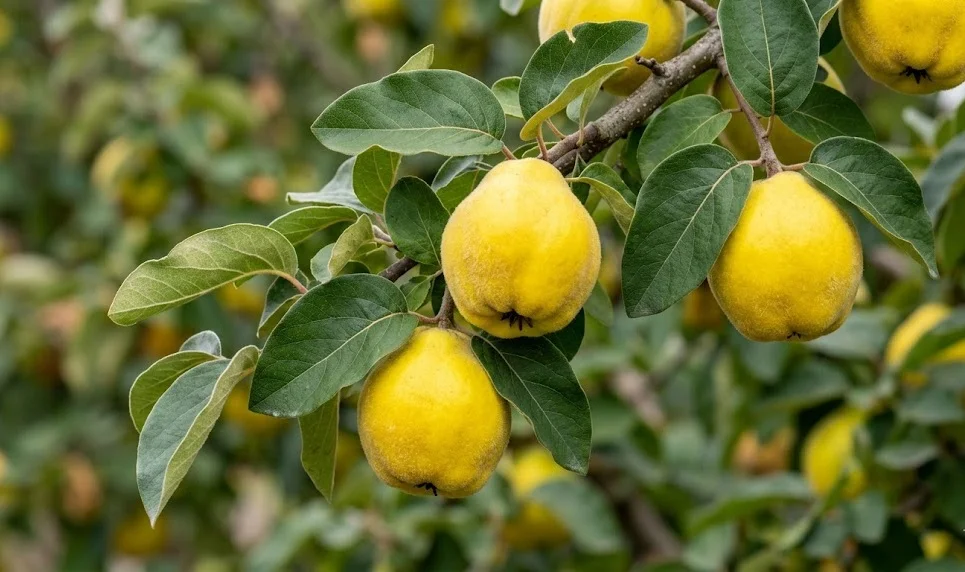

Pruning is one of the most important skills you can master to ensure the longevity and productivity of your quince tree. Unlike many other fruit trees, quince produces its fruit on the tips of the current season’s growth, which requires a specific approach to cutting. Regular pruning helps to maintain a manageable size, encourages the development of strong branches, and improves air circulation. By taking a thoughtful and deliberate approach, you can shape your tree into a beautiful and high-yielding focal point of your garden.
The best time to prune a quince tree is during its dormant period in the late winter or very early spring. At this time, the absence of leaves allows you to clearly see the structure of the branches and identify any problems. Pruning before the sap begins to flow minimizes stress on the tree and reduces the risk of disease infection. You should avoid pruning in the late autumn, as this can encourage new growth that won’t have time to harden off before the winter.
Using the right tools is essential for making clean, healthy cuts that heal quickly and effectively. You should have a pair of sharp bypass pruners for small twigs and a sturdy set of loppers for thicker branches. For very large limbs, a dedicated pruning saw will provide the precision and power you need without tearing the bark. Always remember to disinfect your tools before and after each use to prevent the spread of pathogens like fire blight.
Humanizing the pruning process means understanding that you are having a conversation with the tree about its future growth. You are guiding its energy into the branches that will be the most productive and healthy over the long term. It can be difficult to cut away living wood, but you must remember that it is for the ultimate benefit of the plant. A well-pruned tree is a testament to the gardener’s patience, observation, and care for the natural world.
Formative pruning for young trees
The first few years of a quince tree’s life are the most critical for establishing a strong and balanced framework. You should aim to create an open-center or “vase” shape that allows plenty of light and air into the middle of the tree. This involves selecting three to five main scaffold branches that are evenly spaced around the trunk and have wide attachment angles. Removing any competing vertical leaders will encourage the tree to grow outward rather than just upward.
More articles on this topic
In the second and third years, you should shorten the main scaffold branches by about one-third to encourage secondary branching. This creates a dense and sturdy structure that will be able to support the weight of a heavy fruit crop in the future. You should also remove any branches that are growing inward or crossing over each other to prevent future rubbing and damage. The goal is to build a solid foundation that will require only minimal maintenance as the tree matures.
Avoid the temptation to let a young tree produce too much fruit in its first couple of years. You should remove most of the blossoms or young fruit to allow the tree to focus its energy on root and branch development. This sacrifice in the short term will lead to a much larger and more consistent harvest once the tree reaches maturity. A strong young tree is much better equipped to handle the stresses of pest attacks and environmental fluctuations.
Always prune back to a healthy, outward-facing bud to direct new growth away from the center of the tree. This simple technique is the key to maintaining an open canopy and ensuring good light penetration throughout the life of the plant. You should also remove any “suckers” that emerge from the base of the tree or below the graft union as soon as you see them. These vigorous shoots steal energy from the main tree and will not produce the high-quality fruit you desire.
Maintenance pruning for mature trees
Once your quince tree has reached its full size, the focus of pruning shifts to maintaining its health and productivity. You should begin each pruning session by removing the “three Ds”: dead, damaged, or diseased wood. This prevents pathogens from spreading and allows the tree to direct its resources to healthy tissue. Removing these branches first also makes it easier to see the remaining structure of the tree and make further decisions.
More articles on this topic
Thinning out the older, less productive wood is essential for encouraging the growth of new fruiting spurs. You should aim to remove about ten to fifteen percent of the canopy each year to keep the tree rejuvenated and vigorous. Look for branches that are becoming crowded or those that have become too long and are starting to droop. Removing these will improve the quality of the remaining fruit and make the tree easier to harvest.
Quince trees often produce vigorous vertical shoots known as “water sprouts” that can quickly congest the canopy. You should prune these out completely as they rarely produce fruit and block valuable sunlight from reaching the lower branches. It is best to remove them at the point of origin to prevent them from growing back even more strongly the following year. Keeping the canopy open and airy is the best way to prevent fungal diseases from taking hold.
The final step in your annual maintenance routine is to lightly head back the tips of the remaining branches. Since quince fruits on the tips of the new growth, this stimulates the production of more fruiting points for the coming season. You should be careful not to over-prune, as this can lead to an explosion of vegetative growth at the expense of fruit production. A balanced approach that respects the natural habit of the tree will yield the most consistent and satisfying results.
Rejuvenating old and neglected trees
If you have inherited an old or neglected quince tree, it is often possible to bring it back to productivity through careful pruning. You should not attempt to fix years of neglect in a single season, as this can be too stressful for an elderly tree. Instead, plan for a three-year rejuvenation project that gradually restores the shape and vigor of the plant. The first year should focus on removing the largest dead limbs and clearing out the most crowded areas.
In the second year, you can start to address the overall height and spread of the tree by cutting back some of the main scaffold branches. This will encourage the tree to produce new growth lower down on the trunk, making it easier to manage and harvest. You should also continue to remove any water sprouts and thinning out the canopy to improve light penetration. You will be surprised at how quickly an old tree can respond to a bit of dedicated care and attention.
The third year of rejuvenation involves fine-tuning the structure and encouraging the development of new fruiting wood. You should see a significant improvement in the health of the foliage and the quality of the fruit by this stage. It is important to support a rejuvenating tree with extra water and fertilization to help it cope with the heavy pruning. With patience and persistence, even a very old and overgrown tree can become a productive member of your orchard once again.
Sometimes, an old tree may be too far gone to be fully restored, but it can still provide valuable scion wood for propagation. You can take cuttings from the healthiest parts of the tree and graft them onto new rootstock to preserve the variety. This allows you to keep the heritage of the old tree alive in a new, more vigorous form. Every tree has a story, and pruning is one way that we can help those stories continue for future generations of gardeners.
Tool care and pruning safety
Working with sharp tools at height requires a commitment to safety for both the gardener and the tree. You should always ensure that your ladder is stable and placed on level ground before climbing to reach the higher branches. If a branch is too large or too high to reach safely, it is better to call in a professional than to risk an accident. Wearing gloves and eye protection is also a sensible precaution when working in the dense canopy of a quince tree.
Making clean cuts is vital for the health of the tree, as jagged or torn wood is much more susceptible to infection. You should always use the right tool for the job; don’t try to use hand pruners on a branch that requires a saw. When removing a large limb, use the three-cut method to prevent the weight of the branch from stripping the bark down the trunk. This professional technique ensures that the final cut is clean and the wound can heal as quickly as possible.
Regularly cleaning and sharpening your pruning tools will make the work much easier and more enjoyable. You should wipe the blades with an oily rag after each use to prevent rust and keep the moving parts operating smoothly. A sharp tool requires much less physical effort to use, reducing the strain on your hands and wrists during a long day of pruning. Taking pride in your equipment is a hallmark of a dedicated and professional gardener.
Finally, remember to step back frequently and look at the whole tree from several different angles as you prune. It is easy to get caught up in the details of a single branch and lose sight of the overall shape and balance of the canopy. Pruning is as much an art as it is a science, and your own aesthetic sense should play a role in the process. By combining technical knowledge with a personal touch, you can create a quince tree that is both beautiful and bountiful.