
Selecting the right location and method for planting a quince tree is the first step toward a successful orchard. You must consider the long-term growth of the tree, which can live for several decades if given the proper start. The process of propagation allows you to expand your collection or share specific varieties with fellow enthusiasts. By focusing on the details of soil preparation and root development, you set the stage for a healthy and productive plant.
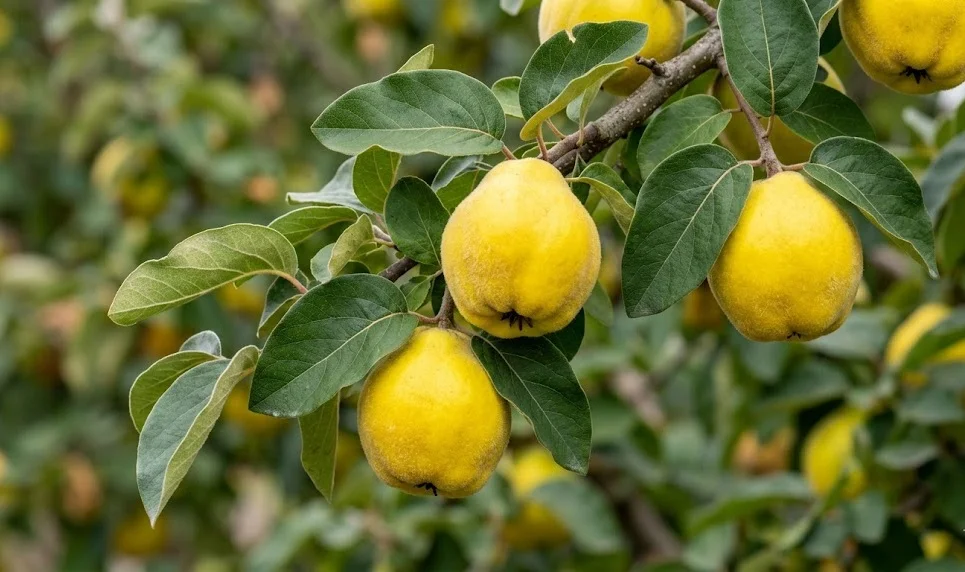
Before the first shovel hits the ground, you should spend time analyzing the sunlight and drainage of your site. Quince trees thrive in full sun, which is necessary for the fruit to develop its characteristic golden color. The soil should be prepared weeks in advance by removing weeds and adding organic amendments to the area. A well-prepared site reduces the stress on the young tree and encourages rapid root establishment.
The timing of planting is crucial for the survival of the sapling during its first vulnerable year. You should aim to plant during the dormant season, either in late autumn or early spring, depending on your local climate. This allows the roots to settle into the soil before the demands of the growing season begin. Avoid planting when the ground is frozen or excessively saturated with water to prevent damage.
Humanizing the planting process involves a deep connection with the future of the landscape you are shaping. You are not just putting a plant in the ground; you are fostering a living being that will provide food and beauty. Taking the time to do it correctly ensures that the tree will become a focal point of your garden. Each successful planting is a testament to your dedication and care for the natural world.
The art of planting techniques
Digging the hole for your quince tree should be done with care to ensure the roots have plenty of space. You should make the hole twice as wide as the root ball but no deeper than the original soil level. Loosening the sides of the hole allows the young roots to penetrate the surrounding earth more easily. Placing the tree at the correct depth is vital to prevent trunk rot or unstable growth.
More articles on this topic
When backfilling the hole, you should use the native soil mixed with a small amount of compost. You must avoid adding high concentrations of fertilizer directly into the hole, as this can burn the sensitive new roots. Gently firm the soil around the base of the tree with your hands to remove any large air pockets. Watering the tree immediately after planting helps to settle the soil and provide much-needed hydration.
Staking the tree may be necessary if you live in a particularly windy area or if the sapling is tall and thin. You should use flexible ties that allow the trunk to move slightly, which encourages the development of a strong root system. The stake should be placed on the windward side of the tree for maximum effectiveness and support. Remember to check the ties regularly to ensure they are not cutting into the growing bark.
The final step in the planting process is applying a layer of organic mulch around the base of the tree. You should keep the mulch a few inches away from the trunk to prevent moisture from trapped against the bark. This layer helps to suppress weeds, retain moisture, and provide a slow release of nutrients over time. A properly mulched tree is much more likely to survive the challenges of its first year.
Propagation through hardwood cuttings
Propagating quince from hardwood cuttings is a cost-effective and rewarding way to create new trees. You should take cuttings in the late winter while the mother tree is still in a dormant state. Select healthy, one-year-old wood that is about the thickness of a pencil for the best results. Each cutting should be roughly six to ten inches long and contain several viable buds.
More articles on this topic
The bottom of the cutting should be trimmed just below a node and dipped in a rooting hormone to stimulate growth. You can then place the cuttings into a well-draining potting mix or a dedicated nursery bed in the garden. Keeping the soil consistently moist but not soggy is the key to encouraging the first roots to form. A sheltered location away from direct wind will protect the cuttings as they begin their transformation.
Over the following months, you will see the buds begin to swell and the first leaves emerge from the stems. You must be patient, as it can take a full growing season for a strong root system to develop. Avoid the temptation to pull on the cuttings to check for roots, as this can break the delicate new growth. By the following autumn, the most successful cuttings will be ready to be moved to their permanent locations.
Hardwood propagation allows you to preserve the exact characteristics of a specific parent tree that you admire. This method is particularly useful for heirloom varieties that may not be available in local commercial nurseries. You can experiment with different types of rooting media to see which works best in your particular environment. Sharing these home-grown saplings with other gardeners is a wonderful way to build a community.
Grafting and rootstock selection
Grafting is a more advanced propagation technique that involves joining a scion from a desired variety onto a hardy rootstock. You should choose a rootstock that is known for its resistance to soil-borne diseases and its suitability for your soil type. The most common method for quince is the whip-and-tongue graft, which provides a strong and seamless union. Proper alignment of the cambium layers is the most critical factor for a successful graft.
The best time to perform grafting is in the early spring just as the sap begins to flow in the rootstock. You must use a very sharp grafting knife to make clean, flat cuts that fit together perfectly. Once joined, the union should be wrapped tightly with grafting tape or wax to prevent it from drying out. Protecting the new graft from extreme weather conditions increases the chances of a successful take.
Monitoring the graft site over the first summer is essential to ensure that the two parts are growing together. You should remove any shoots that emerge from the rootstock below the graft line to prevent them from outcompeting the scion. If the graft is successful, you will see vigorous growth from the top portion of the plant by mid-summer. This technique allows you to produce a tree that combines the best qualities of two different plants.
Grafting also provides the opportunity to create “multi-variety” trees by placing different scions on the same rootstock. This can be a practical solution for small gardens where space is limited but you want a variety of fruit. You will find that different varieties may have slightly different growth rates, requiring careful pruning to maintain balance. Mastery of grafting opens up a whole new world of possibilities for the dedicated quince enthusiast.