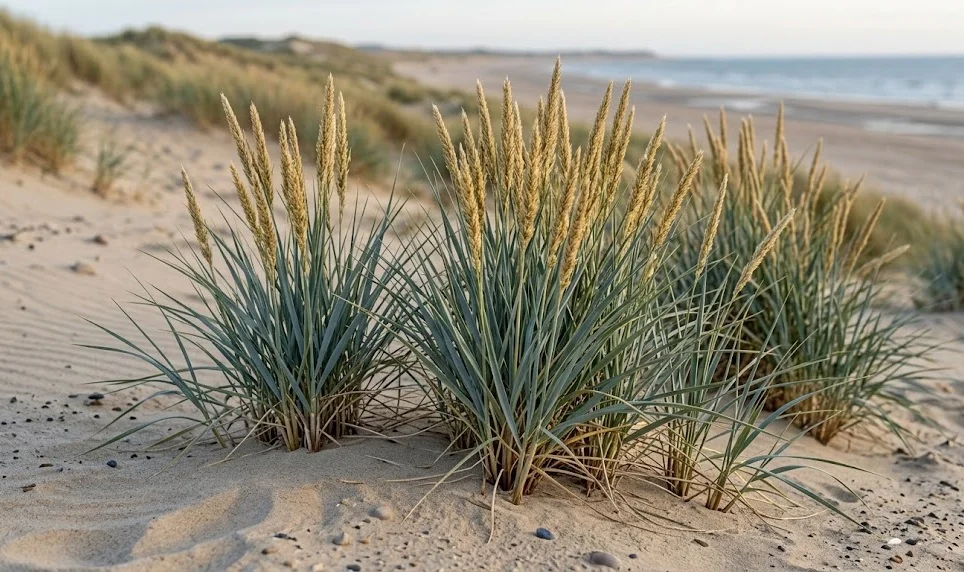

Maintaining this striking ornamental grass requires a balance between encouraging its vibrant color and managing its vigorous growth patterns. As a professional gardener, you must understand that this species is prized for its metallic blue foliage which provides a unique texture to coastal and modern landscapes. While it is exceptionally hardy, successful long-term cultivation depends on providing the right environment while keeping its spreading nature in check. Proper care starts with recognizing that this plant thrives on neglect compared to more delicate garden species.
Maintaining the visual appeal of the foliage involves more than just basic survival tactics for the plant. The intense silver-blue hue is the result of a waxy coating on the leaves that protects the grass from harsh sunlight and salt spray. If the plant is grown in too much shade or in overly rich soil, this color can fade into a duller green. Professional maintenance schedules should include regular inspections to ensure the wax layer remains healthy and the stalks stay upright.
Soil management is perhaps the most critical aspect of keeping this grass in peak condition over several years. Unlike many garden favorites, this grass prefers poor, well-drained soils that mimic its natural sand dune habitat. Over-enriching the soil with organic matter often leads to floppy growth and a loss of that signature architectural stiffness. Expert care involves monitoring the soil structure to prevent it from becoming too compacted or waterlogged during the rainy seasons.
Managing the spread of the root system is a mandatory part of the care routine for any responsible land manager. This grass spreads via aggressive rhizomes that can quickly colonize areas intended for other plants or native species. To maintain a controlled look, many professionals recommend installing deep root barriers or growing the grass in large, sunken containers. Regular edging and the removal of stray shoots will keep the clump looking intentional rather than overgrown.
Nutrient management and soil health
Providing the right balance of nutrients is essential for maintaining the structural integrity of the blades throughout the growing season. While the grass is adapted to nutrient-poor environments, a very light application of balanced fertilizer in early spring can support new growth. You should avoid high-nitrogen fertilizers because they stimulate rapid, weak growth that cannot support its own weight. Professional soil tests can help determine if any specific micronutrients are lacking in your particular garden setting.
More articles on this topic
The physical structure of the soil influences how the rhizomes move through the earth and how deep the roots can penetrate. In heavy clay soils, the plant may struggle with drainage, leading to potential root issues during the winter months. Incorporating sharp sand or fine gravel into the planting area can significantly improve the longevity of the stand. Professionals often observe that plants in well-aerated soil exhibit much better color than those in heavy, suffocating substrates.
Mulching is a controversial topic among grass experts when it comes to this specific blue-tinted species. While mulch helps suppress weeds, an overly thick layer of organic mulch can retain too much moisture around the crown. If you choose to mulch, use a thin layer of inorganic material like pea gravel or crushed stone to match the aesthetic. This approach mimics the natural environment and prevents the base of the grass from staying damp for extended periods.
Long-term soil health is maintained by allowing the plant to cycle nutrients naturally without excessive human interference. Falling leaves and old stems can be left until the spring to provide a natural buffer against temperature fluctuations. However, in a professional display garden, these are often removed to maintain a clean and crisp appearance. Finding the middle ground between ecological health and visual perfection is the hallmark of an expert gardener.
Seasonal maintenance tasks
Spring is the most active time for intervention and setting the stage for a successful growing year. As soon as the ground thaws and new green shoots appear at the base, the previous year’s growth should be handled. This is also the ideal window for any necessary thinning or relocation of the grass before the heat of summer arrives. Professionals prioritize this time because the plant recovers much faster when the air is cool and the soil is moist.
More articles on this topic
During the height of summer, the primary task is monitoring for environmental stress and structural stability. While the grass is drought-tolerant, extreme heatwaves might require supplemental hydration to prevent the tips from browning. You should also watch for any flowering spikes that may appear, as some designers prefer to remove them to focus energy on the foliage. Keeping the surrounding area clear of tall weeds ensures that the grass remains the focal point of the arrangement.
Autumn marks the transition into dormancy and a shift in how the plant interacts with its surroundings. The blue color often persists well into the cold months, providing valuable winter interest in an otherwise brown landscape. You do not need to cut the grass back at this time, as the standing foliage helps protect the crown from freezing. Professional landscapers often leave the dried stalks to catch the light and provide texture during the shorter days.
Winter care is largely hands-off, but it remains a period of observation for the professional groundskeeper. Heavy snow loads can sometimes flatten the clumps, which may require gentle shaking to prevent the blades from breaking. It is important to avoid walking near the root zone when the ground is frozen to prevent soil compaction. Use this time to plan any expansions or containment strategies for the upcoming spring growing cycle.
Managing invasive tendencies
The underground network of rhizomes is both the strength and the primary challenge of growing this ornamental grass. Without proper boundaries, a single planting can expand several feet in every direction within a few growing seasons. Experts recommend using heavy-duty plastic or metal edging that extends at least twelve inches into the ground. This physical barrier is the most effective way to keep the grass within its designated architectural space.
Regular monitoring of the perimeter is necessary to catch any “escapees” that might hop over or dive under your barriers. When you spot a shoot appearing outside the boundary, it must be removed immediately along with its attached root segment. Failure to do so will result in a fragmented root system that becomes much harder to eradicate later. Professional gardeners often keep a dedicated sharp spade just for the task of severing these adventurous rhizomes.
In larger landscapes or restoration projects, the invasive nature can be used as a beneficial tool for erosion control. The dense root mats are excellent at stabilizing shifting sands or loose embankments where other plants would fail to take hold. However, even in these settings, you must consider the impact on neighboring plant communities. Professional ecological management involves defining clear zones where the grass is allowed to roam and where it must be stopped.
For those who want the look of the grass without the risk, container gardening offers a perfect professional solution. Large pots can be placed on patios or even sunk into the ground to give the illusion of a traditional planting. You must ensure the containers have adequate drainage holes and are made of a material that can withstand frost. This method allows you to enjoy the striking blue texture while maintaining absolute control over the plant’s footprint.
Enhancing aesthetic impact
Designers often use the unique color of this grass to create high-contrast combinations in the modern garden. Pairing the silver-blue blades with dark purple foliage or bright yellow flowers creates a dynamic visual experience. You should consider the height of the grass, which can reach up to four feet, when placing it in the middle or back of a border. A professional layout takes into account how the wind will move the stiff blades to add motion to the scene.
The texture of the foliage is another key element that professionals leverage for maximum impact in landscape design. Its wide, coarse leaves contrast beautifully with the fine needles of conifers or the delicate petals of perennial flowers. By grouping several clumps together, you can create a “sea” effect that mimics the movement of waves. This technique is especially effective in minimalist or industrial-style gardens where bold shapes are preferred.
Lighting plays a significant role in how the blue color is perceived throughout different times of the day. In the early morning or late afternoon, the low sun can make the waxy leaves appear almost white or glowing. Professional lighting designers often place small uplights near the base of the grass to highlight its form during the night. The way the grass catches the moonlight can transform a simple garden into a sophisticated nocturnal landscape.
To keep the plants looking their best, it is important to periodically rejuvenate the entire stand every few years. As a clump ages, the center may become thin or die out entirely, leaving an unattractive ring of growth. You can fix this by digging up the entire mass, discarding the old center, and replanting the vigorous outer sections. This professional technique ensures that the planting remains dense, healthy, and visually striking for decades.
Equipment and tool selection
Working with this particular grass requires tools that are sharp enough to handle tough, fibrous root systems. A high-quality, long-handled spade is the primary instrument for planting and controlling the spread of the rhizomes. You should keep the edge of the spade sharpened to ensure clean cuts that minimize damage to the parent plant. Professional gardeners often prefer stainless steel tools because they slide through sandy soil with less resistance.
Pruning shears or hedge trimmers are necessary for the annual cut-back that occurs in late winter or early spring. If you have a large area of grass, electric or battery-powered trimmers can save a significant amount of time and effort. It is important to clean your blades with a disinfectant before moving between different sections of the garden. This practice prevents the accidental spread of any lingering pathogens or soil-borne diseases.
Hand protection is a vital consideration because the edges of the blades can be surprisingly sharp and abrasive. Heavy-duty gardening gloves will prevent small cuts and skin irritation that often occur during prolonged maintenance sessions. You might also want to wear long sleeves when working deep within a large established clump of the grass. Professional safety standards always prioritize personal protection to ensure long-term comfort while performing physical garden tasks.
Transporting soil, amendments, and removed plant material is best handled with a sturdy wheelbarrow or garden cart. Since this grass is often grown in sandy or loose soil, a cart with wide tires will prevent you from getting stuck. You should also have a reliable watering system, such as a soaker hose or a targeted nozzle, for the initial establishment phase. Having the right equipment on hand makes the professional management of this grass both efficient and enjoyable.
Long term sustainability
Sustainability in the garden means choosing plants that can thrive with minimal chemical inputs and water usage. This grass is an excellent candidate for sustainable landscaping because it naturally resists most pests and environmental stresses. By avoiding synthetic fertilizers and heavy irrigation, you are supporting a more natural and resilient ecosystem. Professional land managers value this species for its ability to look great while requiring very few external resources.
The plant’s role in supporting local biodiversity should not be overlooked, even in a highly controlled garden setting. While it is not a primary food source for many insects, the dense clumps provide excellent shelter for small beneficial creatures. You can enhance this benefit by leaving some of the dried foliage intact during the coldest parts of the year. A professional approach to gardening always considers the broader impact of each plant choice on the surrounding environment.
Water conservation is a growing concern for professionals in the horticultural industry worldwide. Because this grass is exceptionally drought-tolerant once established, it is a staple in xeriscaping and water-wise designs. You can reduce your garden’s water footprint significantly by replacing thirstier turf grasses with this striking blue alternative. This shift not only saves money on utility bills but also protects precious local water resources.
The ultimate goal of professional care is to create a landscape that matures gracefully over time without becoming a burden. By understanding the lifecycle and habits of this grass, you can guide its growth rather than constantly fighting against it. Successful cultivation is a testament to the gardener’s ability to work in harmony with nature’s inherent patterns. When managed correctly, this blue lyme grass will remain a centerpiece of the landscape for many years to come.