
The relationship between light and the growth of a quince tree is fundamental to its health and the quality of its fruit. Quince trees are sun-loving plants that require a significant amount of direct exposure to thrive and produce their best crops. Light influences everything from the rate of photosynthesis to the development of the fruit’s unique aroma and color. By understanding how to manage the light in your orchard, you can maximize the potential of every tree in your collection.
When choosing a planting site, you must prioritize areas that receive at least six to eight hours of full sun daily. A tree that is grown in too much shade will often become leggy and produce sparse foliage with very little fruit. The lack of energy from the sun makes the tree more susceptible to diseases and limits its overall lifespan. Sunlight is the primary fuel that drives all the biological processes within the plant throughout the growing season.
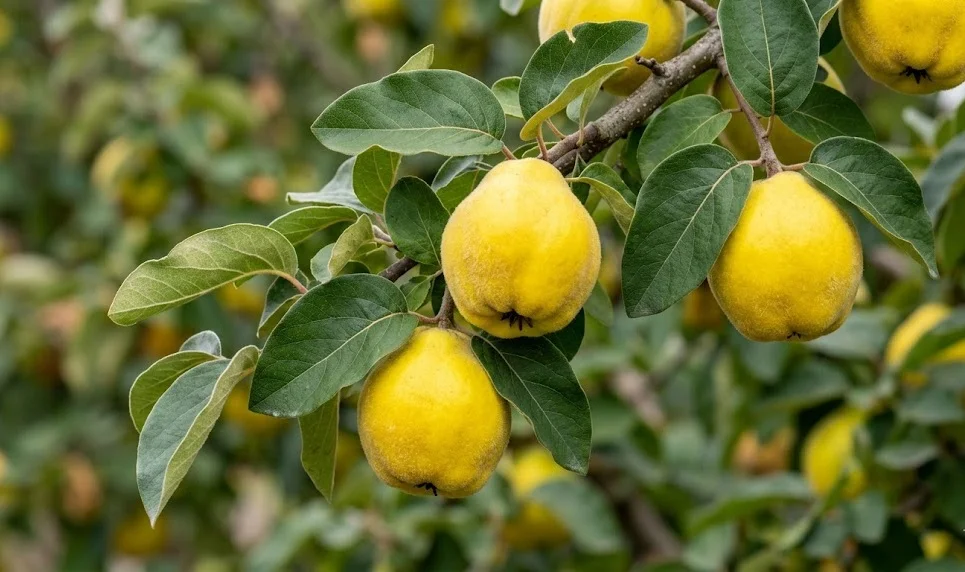
The quality of light is just as important as the quantity when it comes to fruit development in the late summer. Direct sunlight helps to ripen the quince, turning the skin from a dull green to a brilliant, glowing yellow. It also encourages the production of the essential oils that give the fruit its characteristic and intoxicating fragrance. A well-lit tree is a productive tree that rewards the gardener with high-quality, flavorful harvests.
Humanizing the study of light requirements involves observing how the sun moves through your garden at different times of the year. You will notice how the shadows of buildings or other trees change as the seasons transition from spring to autumn. Learning to work with the natural rhythms of the sun allows you to place your trees in the most advantageous positions. Your goal is to capture as much of this free and vital energy as possible for your orchard.
Photosynthesis and structural development
Photosynthesis is the process by which the quince tree converts light energy into the chemical energy it needs to grow. The broad, green leaves of the tree act as solar panels, capturing photons and using them to create sugars. These sugars are then transported throughout the tree to fuel the development of roots, branches, and fruit. A tree with plenty of light will have dense, healthy foliage that can support a large crop.
More articles on this topic
The architecture of the tree is heavily influenced by the direction and intensity of the available light. You will notice that branches on the sunny side of the tree are often more robust and productive than those in the shade. If one side of the tree is consistently shaded, it may grow unevenly as it reaches toward the light. Proper pruning can help to balance the canopy and ensure that all parts of the tree receive their fair share of sun.
Light also plays a role in the “hardening off” process that prepares the tree for the dormancy of winter. The changing light levels in the autumn signal to the tree that it is time to stop growing and start storing energy. This internal clock is essential for the tree’s survival and is regulated by the duration of daylight. Without these clear signals from the sun, the tree might continue to grow too late into the season and suffer from frost damage.
Young saplings are particularly sensitive to light and may need some protection from the most intense afternoon sun. While they need light to grow, their delicate leaves can sometimes be scorched by extreme heat and UV radiation. Providing a bit of dappled shade during the hottest part of the day can help a young tree establish itself without undue stress. As the tree matures and its bark thickens, it will become much more tolerant of full, unshielded exposure.
Canopy management for light penetration
One of the primary goals of pruning a quince tree is to ensure that light can reach deep into the center of the canopy. You should aim for an open structure, such as a vase or a modified central leader, to prevent the inner branches from being shaded out. If the canopy is too dense, the leaves in the middle will become unproductive and eventually die off. This creates a “hollow” tree that is less efficient and more prone to disease.
More articles on this topic
Regularly thinning out crowded branches allows the sunlight to filter down to the lower fruiting spurs. This is especially important for quince, as the fruit needs direct light to develop its best flavor and color. You should remove any “water sprouts” or vigorous vertical shoots that can quickly shade the rest of the tree. A well-managed canopy ensures that every leaf and fruit has the energy it needs to reach its full potential.
The orientation of your planting rows can also have a significant impact on how much light each tree receives. In most northern hemisphere gardens, an east-west orientation allows for the most even distribution of sunlight throughout the day. This prevents the trees from shading each other as the sun moves across the sky from morning to evening. Proper spacing between individual trees is also critical to ensure that they don’t compete for light as they mature.
Reflected light can be a useful tool for gardeners who have limited space or less-than-ideal light conditions. You can plant your quince tree near a light-colored wall or fence that will reflect extra sunlight back onto the foliage. This can be particularly beneficial in cooler climates where the extra warmth and light can help the fruit ripen more quickly. Being creative with how you use the available light can make a big difference in the success of your orchard.
Seasonal changes and light intensity
The intensity and duration of sunlight change dramatically as the seasons transition from spring to winter. In the early spring, the low angle of the sun means that even small obstacles can cast long, cooling shadows. You should consider this when planning your garden layout to ensure that your quince trees get an early start. The warming effect of the spring sun is what triggers the tree to break dormancy and begin its annual growth cycle.
During the long days of summer, the sun is at its highest point and provides the maximum amount of energy for fruit production. This is the time when the tree’s demand for water is also at its peak, as photosynthesis requires a steady supply of moisture. You should monitor the tree for signs of heat stress if the light becomes too intense and the temperatures rise above 30 degrees Celsius. Providing a thick layer of mulch will help keep the roots cool while the leaves soak up the sun.
As autumn approaches, the days become shorter and the light takes on a softer, more golden quality. This is a critical time for the ripening of the quince, which needs the remaining warmth to finish developing its sugars. You may need to remove some of the surrounding foliage if it is shading the fruit too much as the sun gets lower in the sky. Every extra hour of sunlight in the late autumn contributes to a more fragrant and delicious harvest.
In the winter, the tree is dormant and its light requirements are minimal, but the sun can still have an impact. The winter sun can cause the bark to warm up during the day, which can be damaging if it is followed by a quick freeze. This is why white-washing the trunk or using tree wraps can be so beneficial in certain climates. Even when the tree is sleeping, the sun continues to influence its environment and its long-term health.
Fruit quality and solar exposure
The most direct and visible impact of light on a quince tree is seen in the quality and quantity of the fruit. A tree that receives ample sunlight will produce fruit that is larger, firmer, and more evenly colored. The light triggers the synthesis of anthocyanins and other pigments that give the skin its beautiful golden hue. Without enough light, the fruit may remain small, green, and lacking in the intense flavor that makes quince so special.
Sugar content is another key factor that is directly linked to the amount of light the tree receives. The more photosynthesis the leaves can perform, the more sugar they can pump into the developing fruit. This is why quince grown in sunny, warm climates is often much sweeter and more aromatic than that grown in cooler, shadier spots. If you want the best possible fruit for making jellies and preserves, you must prioritize solar exposure.
Light also helps to toughen the skin of the fruit, making it more resistant to pests and diseases during the ripening period. A well-lit fruit dries more quickly after rain or dew, which reduces the risk of fungal rots taking hold. The sun acts as a natural disinfectant, keeping the surface of the fruit clean and healthy as it matures. Proper light management is therefore an essential part of an integrated pest and disease management strategy.
Finally, the incredible fragrance of a ripe quince is a direct product of the sun’s energy. The complex volatile compounds that create this scent are produced in greater quantities when the fruit is exposed to plenty of light. Walking through a sun-drenched orchard in the late autumn is a sensory experience that is hard to match. By respecting and managing the light requirements of your quince trees, you ensure that this experience is available to you every year.