
Caring for a quince tree requires a blend of traditional wisdom and modern horticultural techniques to ensure a bountiful harvest. These trees are often more resilient than other pome fruits, yet they demand specific attention during their formative years to establish a strong structure. You should begin by observing the unique growth patterns of your tree as the seasons change throughout the year. Understanding the fundamental needs of the plant will help you create an environment where it can truly thrive and produce high-quality fruit.
The daily maintenance of a quince orchard involves monitoring the health of the foliage and the stability of the branches. You must look for any signs of nutritional deficiencies or environmental stress that could hinder development. Regular inspection allows for the early detection of issues before they become systemic problems for the entire tree. A proactive approach to care will ultimately save time and resources while promoting long-term vitality.
The interaction between the tree and its immediate surroundings is a critical factor in successful cultivation. You should ensure that the area around the base remains clear of invasive weeds that compete for essential nutrients. Proper mulching can assist in maintaining a stable soil temperature and preserving moisture during dry spells. These simple steps create a foundation of health that allows the quince to focus its energy on fruit production.
Humanizing the care process means recognizing that every tree has its own rhythm and response to local conditions. You will find that some varieties require more frequent intervention than others depending on the microclimate of your garden. Engaging with the gardening process on a personal level makes the work more rewarding and effective. Patience is your greatest tool when waiting for the tree to reach its full productive potential over several years.
Soil management for optimal growth
The foundation of any healthy quince tree lies in the quality and composition of the soil it inhabits. You should strive for a medium-to-heavy soil that retains moisture without becoming waterlogged or anaerobic. A slightly acidic to neutral pH level is generally considered ideal for the efficient uptake of minerals. Testing your soil annually provides the data necessary to make informed adjustments to its chemical balance.
More articles on this topic
Organic matter plays a vital role in improving the structure of the soil over long periods of time. You can incorporate well-rotted compost or manure into the top layer of the earth to enhance fertility. This practice encourages beneficial microbial activity which supports the root system in diverse ways. Improving soil aeration ensures that oxygen reaches the roots, which is essential for healthy cellular respiration.
Drainage is another critical aspect that you must manage carefully to prevent root-related diseases. If you notice that water pools around the tree after heavy rain, you might need to install a drainage system. Quince trees do not tolerate “wet feet” for extended periods as this can lead to catastrophic root rot. Elevating the planting site slightly can be an effective way to manage excess moisture in low-lying areas.
The physical state of the ground should be maintained through careful cultivation and the avoidance of heavy machinery near the roots. Compaction can severely limit the ability of the root system to expand and find new sources of water. You should use hand tools when working close to the trunk to avoid damaging the sensitive bark. Keeping the soil friable and open will pay dividends in the overall vigor of the plant.
Seasonal maintenance routines
As the seasons transition from winter to spring, your focus should shift toward supporting new growth. You will notice the buds beginning to swell as the temperatures rise and the days become longer. This is the perfect time to apply a balanced fertilizer to provide the energy needed for blooming. Cleaning up any fallen debris from the previous year helps to reduce the risk of overwintering pathogens.
More articles on this topic
During the height of summer, the primary challenge is managing the heat and potential drought conditions. You must ensure that the tree receives consistent hydration to prevent the fruit from dropping prematurely. Monitoring the leaves for wilting or scorching will tell you if the tree is struggling with the intensity of the sun. Providing some light shade for young trees can be beneficial during exceptionally hot afternoons.
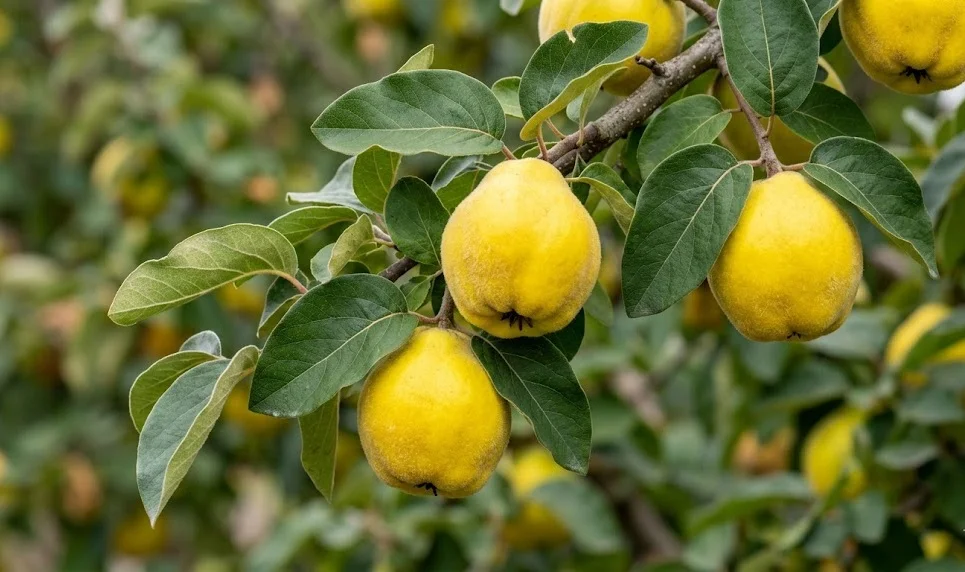
Autumn is a season of transition where the focus moves toward harvesting and preparing for dormancy. You should carefully pick the fruit when it turns a vibrant yellow and emits a strong fragrance. Removing any mummified fruit that remains on the branches is crucial for preventing disease in the following year. As the leaves begin to fall, you can start assessing the structure of the tree for future pruning.
Winter is a time of rest for the quince tree, but the gardener’s work does not entirely stop. You can use this period to perform structural pruning while the tree is in a dormant state. Protecting the trunk from frost cracks or rodent damage is also a high priority during the coldest months. A quiet winter allows the tree to gather its strength for the explosive growth that arrives with the spring.
Advanced environmental monitoring
Modern gardening often involves using technology or detailed observations to track local environmental conditions. You might consider installing a basic weather station to monitor rainfall and temperature fluctuations accurately. Knowing the exact conditions in your garden allows you to tailor your care routine more precisely. This data-driven approach takes the guesswork out of irrigation and fertilization schedules.
Wind protection is an often overlooked factor that can impact the growth of a quince tree. High winds can damage the delicate blossoms in the spring or cause fruit to rub against branches. Planting a windbreak or providing physical support for young trees can mitigate these risks effectively. A sheltered location encourages a more uniform growth habit and protects the overall structural integrity.
Air circulation within the canopy is essential for keeping the foliage dry and reducing disease pressure. You should aim for an open branch structure that allows the wind to move freely through the tree. Stagnant air creates a humid microclimate that is perfect for the development of various fungal infections. Proper spacing between multiple trees ensures that each one has access to fresh air and light.
Microclimates within a single garden can vary significantly depending on the proximity to buildings or walls. You should place your quince tree in a spot that benefits from reflected heat if you live in a cooler region. Conversely, a north-facing slope might provide a more stable environment in areas with early spring frosts. Understanding these subtle differences helps you choose the best possible site for your orchard.
Tool hygiene and maintenance
Using the right tools is only half the battle; keeping them clean and sharp is equally important. You should always disinfect your pruning shears before moving from one tree to another to prevent cross-contamination. Alcohol or a diluted bleach solution can be used to kill any lingering bacteria or fungi on the blades. Sharp tools make clean cuts that heal much faster than the jagged tears caused by dull equipment.
Storing your gardening equipment in a dry and organized space extends their lifespan and keeps them ready for use. You should regularly oil the moving parts of your loppers and saws to ensure smooth operation. Rusted or dirty tools can introduce pathogens directly into the vascular system of the quince tree. Taking care of your equipment reflects a professional commitment to the health of your garden.
Ergonomics should be a consideration when choosing tools for long periods of maintenance work. You will find that high-quality shears with padded handles reduce the strain on your hands and wrists. Investing in a sturdy ladder is also essential for safely reaching the higher branches of a mature tree. Safe work practices ensure that you can continue to enjoy gardening for many years to come.
Regularly inspecting your tools for wear and tear allows you to replace parts before they fail during a task. You might need to sharpen the blades several times during a heavy pruning session to maintain efficiency. Keeping a small sharpening stone in your pocket is a practical way to handle this in the field. Professional results are much easier to achieve when you respect the tools of your trade.
Promoting biodiversity in the orchard
A healthy quince tree does not exist in a vacuum; it is part of a larger ecological system. You can encourage beneficial insects by planting native flowers and herbs around the base of the tree. Ladybugs and lacewings act as natural predators for common pests like aphids and mites. Creating a diverse habitat reduces the need for chemical interventions and promotes a more balanced environment.
Pollinators like bees and butterflies are essential for a successful fruit set on your quince tree. You should avoid using broad-spectrum insecticides during the blooming period to protect these vital visitors. Providing a small water source or a “bee hotel” can make your garden more attractive to local pollinator populations. The more active your garden’s ecosystem is, the more resilient your trees will be.
Bird populations can be both a challenge and a benefit to the quince grower in certain areas. While some birds might peck at the ripening fruit, others eat vast quantities of harmful insect larvae. You can use netting to protect the harvest while still allowing birds to forage in the garden during the rest of the year. Finding a balance with the local wildlife is part of the art of sustainable gardening.
Cover crops planted between the rows of trees can improve soil health and prevent erosion. These plants can fix nitrogen in the soil or provide extra organic matter when they are turned under. Using a mix of clover and grasses creates a living mulch that supports a wide range of soil organisms. A holistic approach to orchard management considers every level of the biological community.
Harvesting and storage techniques
Knowing exactly when to harvest your quince is an essential skill for any serious home grower. You will see the green skin transition to a brilliant gold when the fruit is fully mature. The fruit should be firm to the touch but should release easily from the branch with a gentle twist. Harvesting at the peak of ripeness ensures the best flavor and aromatic qualities for culinary use.
Handling the fruit with care is vital because quince can bruise easily despite its hard exterior. You should place the harvested fruit gently into padded crates or baskets to prevent any mechanical damage. Bruised fruit tends to rot much faster and can spoil the rest of the batch in storage. Proper post-harvest handling preserves the quality of your hard-earned crop for several weeks.
Quince should be stored in a cool, dark, and well-ventilated space to maximize its shelf life. You must keep them away from other fruits like apples or pears because their strong scent can be absorbed. The temperature should be consistent to prevent the fruit from shriveling or becoming mealy over time. Regularly checking the stored fruit allows you to remove any that show signs of decay.
The transformation of quince through cooking is one of the most rewarding aspects of growing this fruit. You will find that the hard, astringent flesh turns soft and rosy-pink when simmered with sugar. Whether you are making traditional jelly or a savory stew, the fruit adds a unique depth of flavor. Sharing the fruits of your labor with friends and family is the perfect conclusion to the growing season.