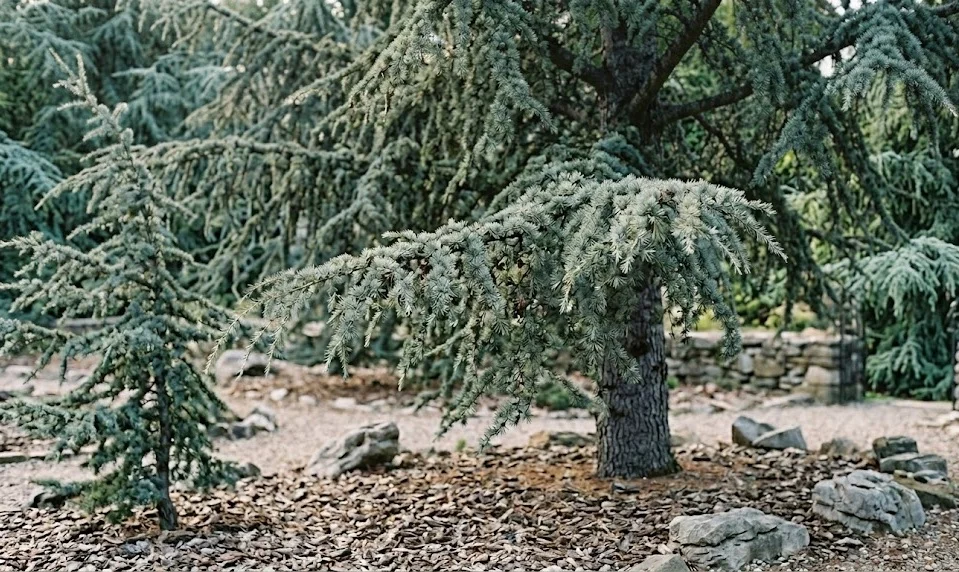

Pruning a Himalayan cedar is an art that requires a delicate balance between maintaining the tree’s health and preserving its natural, sweeping form. You must approach this task with a clear plan and a deep respect for the architectural beauty that defines this species. Unlike some other evergreens, the cedar does not respond well to heavy shearing or aggressive cutting back into old wood. By using the correct techniques and timing, you can enhance the structural strength of the tree while keeping it looking its absolute best.
The primary goal of pruning should always be to remove the “three Ds”: dead, damaged, or diseased wood from the canopy. You should inspect the tree annually for any branches that have been broken by wind or weakened by pests during the previous year. Removing these sections promptly prevents the spread of decay into the main trunk and improves the overall safety of the tree. A clean, sharp cut at the branch collar is the best way to ensure the wound heals quickly and cleanly without inviting infection.
Maintaining the central leader is critical for the long-term structural integrity and iconic shape of the Himalayan cedar. You should ensure that only one main vertical trunk is allowed to develop, especially during the early years of the tree’s life. If multiple leaders begin to compete for dominance, you must choose the strongest one and carefully remove or head back the others. This practice prevents the formation of weak crotches that are prone to splitting during heavy snow or high wind events.
Trimming for size control is a difficult task with a tree that is naturally programmed to become a massive giant. You should avoid trying to keep a Himalayan cedar small through constant pruning, as this will eventually ruin its graceful appearance and stress the plant. Instead, focus on light “tipping” of the branches to encourage a denser habit if that is the look you desire for your garden. If a tree has truly outgrown its space, it is often better to consider more drastic landscape changes than to mutilate the tree’s natural form.
Structural pruning and thinning
Thinning out the interior branches is a technique you can use to improve air circulation and light penetration throughout the canopy. You should focus on removing smaller, crossing branches that are rubbing against each other and creating wounds in the bark. By selectively removing these pieces, you reduce the density of the tree without changing its overall silhouette or size. This practice is especially important in humid climates where stagnant air can lead to serious fungal outbreaks among the needles.
More articles on this topic
When you are thinning, always follow the natural layers of the branches to maintain the tree’s elegant, tiered appearance. You should step back frequently to look at the tree from a distance and ensure that you are maintaining a balanced and symmetrical shape. It is much easier to remove another small branch later than it is to wait years for a mistakenly cut one to grow back. A light touch is always preferred when working with the sophisticated structure of a mature Himalayan cedar.
Structural pruning also involves looking for branches with narrow attachment angles that might become a liability as they gain weight. You should aim to encourage branches with wide, strong connections to the main trunk that can withstand the stresses of the environment. If you find a large limb that looks unstable, it may be necessary to use cabling or bracing to provide extra support. These advanced techniques should usually be performed by a professional arborist to ensure the safety of both the tree and your property.
Cleaning up the lower canopy by “limbing up” the tree can create a more formal look and provide space for activities beneath the branches. You should do this gradually over several years, removing only one or two of the lowest layers of branches at a time. This allows the tree to adjust to the change and prevents a sudden shock to its system that could lead to trunk sunscald. Be careful not to remove too many lower branches, as this can change the tree’s center of gravity and make it less stable.
Maintenance trimming and timing
The best time to prune your Himalayan cedar is during the late winter or early spring while the tree is still dormant. You should complete your trimming before the new growth starts to emerge, as this allows the tree to direct all its spring energy into the desired branches. Pruning during the dormant season also minimizes the risk of attracting certain pests that are active during the warmer months. Avoid pruning in the late autumn, as the wounds may not have time to calluses over before the onset of freezing weather.
More articles on this topic
If you must perform light trimming during the growing season, try to limit it to the removal of new “candles” or soft growth at the tips. You can “pinch” the new growth by half to encourage the tree to fill out and become more compact without using heavy tools. This is a common technique used to maintain the density of ornamental evergreens in smaller garden spaces. Always use your fingers or very sharp hand shears to ensure the cut is clean and does not crush the delicate new needles.
Sanitation is a vital part of the pruning process that many gardeners overlook to the detriment of their trees. You should always clean your pruning tools with rubbing alcohol or a mild bleach solution before moving from one tree to another. This simple step prevents the accidental spread of fungal spores or bacterial infections through the wounds you are creating. Keeping your tools sharp is also essential for making the clean, smooth cuts that are easiest for the tree to heal.
Managing the debris after a pruning session is the final step in maintaining a healthy and professional-looking garden. You should remove all cut branches from the area and dispose of them properly, especially if they show any signs of disease or pest infestation. Leaving infected wood near the base of the tree provides a reservoir for pathogens to re-infect the healthy parts of the canopy. A clean work area is the hallmark of an expert gardener who truly cares about the long-term health of their landscape.