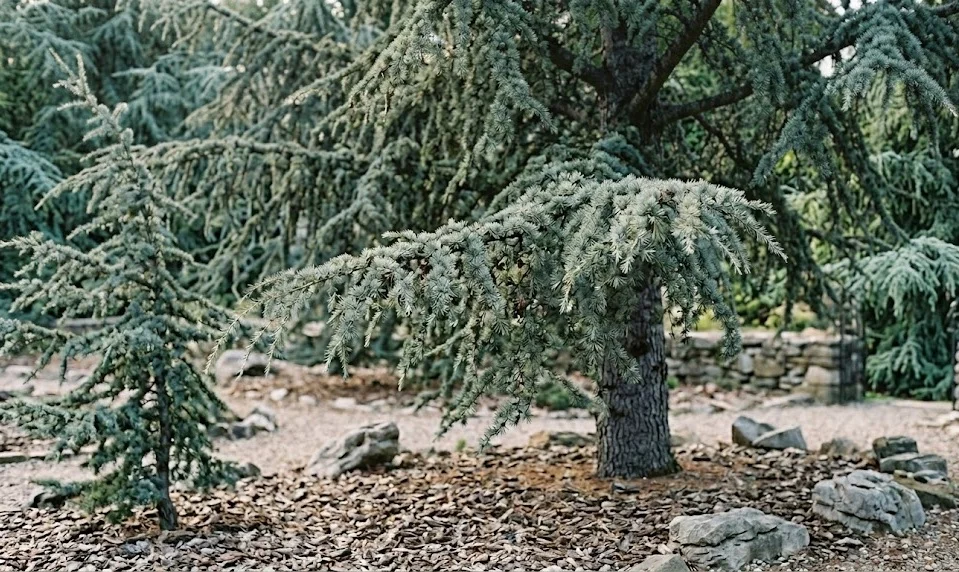

Protecting your Himalayan cedar from the various threats posed by diseases and pests is a critical part of its long-term care routine. You must become familiar with the early signs of trouble to prevent minor issues from escalating into life-threatening conditions for the tree. A proactive approach that focuses on maintaining overall tree vigor is your best defense against most common biological challenges. By creating a healthy environment, you make it much harder for pathogens and insects to gain a foothold in your landscape.
Fungal infections are among the most common diseases that can affect the foliage and roots of evergreens in residential gardens. You might notice browning of the needles or unusual spots that indicate the presence of a pathogen in the canopy. These issues are often exacerbated by poor air circulation or excessive moisture on the needles during the humid months of summer. Keeping the area under the tree clean and avoiding overhead watering can significantly reduce the risk of these infections taking hold.
Insects can also cause significant damage to the structural integrity and aesthetic beauty of your Himalayan cedar. You should look for signs of feeding, such as notched needles, or the presence of sticky honeydew that indicates an aphid or scale infestation. Some pests are tiny and difficult to see with the naked eye, so you may need to use a magnifying glass to inspect the branches. Early detection allows you to use less invasive treatment methods before the pest population explodes and causes widespread damage.
Environmental stress often acts as a precursor to disease and pest problems by weakening the tree’s natural immunity. You should ensure that your tree is not suffering from chronic drought, nutrient deficiencies, or soil compaction that could compromise its health. A stressed tree sends out chemical signals that can actually attract certain types of boring insects and other opportunistic pests. Therefore, the best pest management strategy is to provide the best possible growing conditions for your cedar at all times.
Common fungal pathogens
Tip blight is a frequent fungal issue that causes the new growth at the ends of the branches to turn brown and die back. You will see the characteristic dying tips most clearly in late spring or early summer after a period of wet weather. This fungus spreads through spores that are carried by wind or splashing water from infected debris on the ground. Pruning out the diseased tips during dry weather can help prevent the fungus from moving further back into the main branches.
More articles on this topic
Root rot is a much more serious fungal condition that attacks the tree from below the ground where it is invisible to the eye. You should be concerned if you see a general thinning of the canopy and a lack of new growth despite seemingly good care. This disease is almost always caused by soil that stays too wet for too long, allowing pathogens like Phytophthora to thrive. Improving drainage or reducing watering frequency are the only ways to manage this potentially fatal underground threat.
Canker diseases can manifest as sunken areas on the bark of the trunk or larger limbs, often accompanied by oozing sap. You might notice that the foliage on an entire branch turns brown and dies because the canker has girdled the wood and cut off the flow of nutrients. These infections often enter through wounds caused by improper pruning, hail damage, or lawnmowers hitting the base of the tree. Protecting the bark from physical damage is your first line of defense against these stubborn and destructive pathogens.
Needle cast is another fungal problem that causes the tree to prematurely shed its older needles, leading to a thin and sparse appearance. You should inspect the fallen needles for tiny black fruiting bodies which are a clear sign of a fungal presence. While this rarely kills a mature tree, it can significantly reduce its ornamental value and slow down its overall growth rate. Increasing the spacing between plants and thinning out dense areas of the canopy can improve airflow and help manage this issue naturally.
Insect infestations and management
Spider mites are tiny pests that can cause extensive damage to cedar foliage, especially during hot and dry weather conditions. You might notice a fine webbing between the needles or a bronzing of the foliage that looks like dust from a distance. A simple way to check for them is to shake a branch over a white piece of paper and look for moving specks. Increasing the humidity around the tree or using a strong blast of water can often keep mite populations under control without chemicals.
More articles on this topic
Aphids are another common visitor that you might find clustering on the soft new growth at the tips of the branches. These insects suck the sap from the tree, which can cause the new needles to become twisted or stunted as they develop. They also excrete a sticky substance called honeydew, which can lead to the growth of unsightly black sooty mold on the foliage. Encouraging natural predators like ladybugs and lacewings in your garden is an effective way to manage aphids in a sustainable way.
Scale insects often look like small bumps or shells attached to the twigs and needles rather than traditional bugs. You might not even realize they are alive until you see the tree starting to lose vigor and drop its needles for no apparent reason. Because they are protected by a hard outer covering, they can be difficult to treat with standard contact insecticides during their adult stage. Horticultural oils applied during the dormant season are often the most effective way to smother these persistent and hidden pests.
Borers are perhaps the most dangerous insects because they tunnel into the wood and disrupt the tree’s internal transport systems. You should look for small exit holes in the bark or piles of sawdust-like material at the base of the trunk. These pests usually target trees that are already weakened by age, disease, or extreme environmental stress. Keeping your cedar healthy through proper watering and mulching is the best way to prevent borers from ever choosing your tree as a home.
Diagnostic signs and symptoms
Learning to read the visual language of your tree is a skill that will help you identify problems long before they become severe. You should pay close attention to any sudden changes in needle color, especially if the browning is localized to one side or one branch. Wilted or drooping tips can be a sign of water stress, but they can also indicate the presence of a fungal pathogen in the vascular system. Regularly walking around the tree and looking at it from different angles will help you spot these subtle changes.
The texture and appearance of the bark can also provide valuable clues about what is happening beneath the surface. You should look for any unusual cracking, peeling, or the appearance of fungal growths like mushrooms on the trunk. Sap flowing from the bark is often a sign that the tree is trying to defend itself against an insect or a fungal invasion. While some sap flow is normal, excessive amounts can indicate a serious underlying problem that requires further investigation or professional help.
Root health can often be assessed indirectly by looking at the stability of the tree and the condition of the ground around the base. If you notice the tree leaning suddenly or the soil lifting on one side, you should be concerned about structural root failure. Cracks in the soil or a sour smell near the trunk can also indicate that the roots are suffering from lack of oxygen or rot. Investigating the root zone with a small hand trowel can help you confirm the moisture levels and the general condition of the roots.
New growth provides a real-time report on the tree’s current state of health and its ability to absorb nutrients. You are looking for vigorous extension of the branch tips and a healthy, consistent color across all the new needles. If the new growth is pale, stunted, or distorted, it is a clear sign that something is interfering with the tree’s development. By catching these symptoms early, you can adjust your care routine or apply targeted treatments to correct the issue before the next growing season.
Integrated pest management
Integrated Pest Management, or IPM, is a holistic approach that combines several different strategies to keep your tree healthy with minimal chemical use. You should start with cultural practices like choosing the right site and providing proper care to ensure the tree remains naturally resilient. Mechanical methods, such as pruning out diseased branches or hand-picking large insects, can often solve a problem without any sprays. Only when these methods fail should you consider the use of targeted biological or chemical controls.
Biological control involves using the natural enemies of pests to keep their populations at a level that does not harm the tree. You can attract beneficial insects to your garden by planting a variety of flowering species that provide nectar and pollen. Birds also play a massive role in pest management by eating thousands of insects that would otherwise feed on your cedar. Creating a balanced and diverse ecosystem in your backyard is one of the most effective and sustainable ways to protect your trees.
Chemical treatments should be used as a last resort and should always be chosen for their specificity to the target pest. You should follow the label instructions exactly to avoid harming beneficial insects or causing damage to the tree’s sensitive foliage. Timing is everything when using chemicals, as you need to hit the pest at the most vulnerable stage of its life cycle. Consulting with a professional can help you choose the right product and ensure that it is applied safely and effectively.
Regular monitoring is the heart of any successful IPM program for your Himalayan cedar. You should set aside time each week to walk your garden and inspect your trees for any signs of new or returning problems. Keeping a simple log of what you find and the treatments you use will help you learn what works best in your specific environment. This proactive and observational approach ensures that your tree stays healthy and continues to be a centerpiece of your garden for many years.