
Preparing your Himalayan cedar for the challenges of the winter season is essential for maintaining its structural integrity and health. You must understand that while these trees are relatively hardy, extreme cold and heavy snow can still cause significant damage to their graceful forms. The goal of overwintering is to minimize stress and prevent physical injury that could lead to long-term decline or disease. By taking a few simple steps in the autumn, you can ensure your tree emerges from the winter dormancy ready for a new year of growth.
The cold tolerance of a Himalayan cedar depends largely on its age and how well it has been cared for during the preceding growing season. You should be aware that young, newly planted trees are much more vulnerable to frost damage than mature specimens with thick bark. Providing a consistent supply of water throughout the autumn helps the tree enter the winter with fully hydrated tissues, which act as a buffer against freezing. A well-hydrated tree is much more likely to survive a sudden cold snap without losing its needles or suffering from branch dieback.
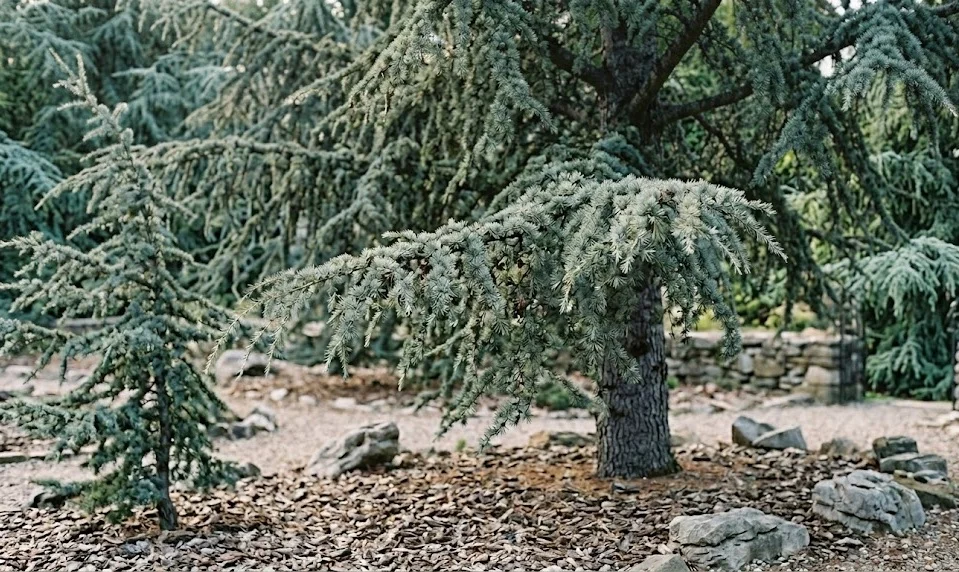
Snow and ice accumulate easily on the flat, needle-covered branches of this species, creating a massive amount of weight. You must watch for signs of heavy loading during winter storms and be prepared to take action if the branches start to sag dangerously. The natural, downward-sweeping habit of the limbs helps shed some snow, but extreme accumulation can still cause wood to snap. Gently brushing off the snow before it turns to heavy ice can save the tree from structural failure and preserve its beautiful shape.
Windburn is another common winter issue where cold, drying winds pull moisture from the needles faster than the roots can replace it. You might notice a browning of the foliage on the windward side of the tree after a particularly harsh and dry winter spell. This is why site selection is so important, but you can also provide temporary protection for younger trees during their first few winters. Creating a simple windbreak with burlap or snow fencing can make a significant difference in the tree’s ability to retain its moisture.
Cold tolerance and hardening off
Hardening off is the natural process where the tree prepares itself for freezing temperatures by slowing down its metabolic processes. You should avoid applying any nitrogen-rich fertilizers late in the summer, as this can stimulate soft, new growth that will not have time to harden. This tender growth is the first thing to be killed by frost, which can create entry points for pathogens and pests. By allowing the tree to follow its natural rhythm, you help it build the internal defenses necessary for survival.
More articles on this topic
The temperature at which a Himalayan cedar begins to suffer damage varies between different cultivars and individual garden microclimates. You should research the specific hardiness zone of your tree variety to understand its limits in your local area. In general, these trees can handle temperatures down to zero degrees Fahrenheit once they are established and properly hardened off. However, a sudden drop in temperature before the tree is fully dormant can be much more damaging than a steady, predictable cold.
Root protection is just as important as protecting the visible parts of the tree during the freezing winter months. You should ensure that the ground around the base of the tree is covered with a thick layer of organic mulch before the first hard freeze. This mulch acts as insulation, preventing the soil from freezing and thawing rapidly, which can heave the roots and damage the delicate feeder hairs. A stable soil temperature allows the roots to continue functioning at a minimal level throughout the colder months.
Monitoring the weather forecast allows you to be proactive rather than reactive when it comes to winter tree care. You should pay close attention to predictions of extreme cold or unusually heavy snowfalls that might require your intervention. If a severe freeze is predicted, you can give the tree one final deep watering to ensure it is as hydrated as possible. Being prepared for the worst-case scenario ensures that your cedar has the support it needs to make it through to the spring.
Winter protection techniques
Physical barriers can provide a vital layer of protection for young or particularly valuable specimens in your garden. You can construct a simple frame around the tree and wrap it with burlap to reduce the impact of freezing winds and salt spray. It is important that the burlap does not touch the needles directly, as this can lead to moisture buildup and fungal issues. This “cage” method allows air to circulate while still providing a significant buffer against the harshest elements.
More articles on this topic
Anti-desiccant sprays are another tool you can use to help the needles retain moisture during the drying winter months. These products create a thin, waxy coating on the surface of the foliage that reduces the rate of transpiration without interfering with the tree’s breathing. You should apply these sprays on a calm, dry day when temperatures are above freezing to ensure they dry properly and form a complete seal. This treatment is particularly effective for trees that are planted in exposed locations or near coastal areas.
Managing the snow load on the branches is a task that requires a gentle touch and some common sense. You should never try to shake a frozen branch vigorously, as the wood is brittle in the cold and can snap very easily. Instead, use a soft broom to gently lift the branches from underneath or brush the snow off from the top of the canopy. If the snow has already turned to ice, it is often better to leave it alone and let it melt naturally to avoid causing more harm than good.
Staking can be helpful for maintaining the stability of younger trees during the high winds that often accompany winter storms. You should use wide, flexible ties that do not cut into the bark as the tree moves in the wind. The stakes should be positioned to provide support without making the tree completely rigid, as a little movement helps build trunk strength. Once the winter is over and the ground has thawed, you should check the ties to make sure they are not becoming too tight.
Root zone insulation and moisture
The moisture level of the soil remains important even when the tree is dormant and the ground is cold. You should check the soil moisture during any mid-winter thaws to ensure that the tree has not become dangerously dry. If the ground is not frozen and there has been no rain or snow for several weeks, a light watering can be beneficial. This is especially true for trees planted in sandy soils that do not hold moisture well over long periods.
Mulching is your most effective tool for maintaining a healthy and insulated root environment throughout the entire winter. You should apply a three to four-inch layer of wood chips, bark, or pine needles around the base of the tree in late autumn. Make sure to spread the mulch out to the drip line of the branches to cover the most active part of the root system. Keeping the mulch away from the immediate trunk prevents rot and discourages rodents from nesting against the bark.
Rodent protection is an often-overlooked part of winter care that can be critical for the survival of young cedars. You might find that voles or rabbits try to chew on the tender bark at the base of the tree when other food sources are scarce. Installing a simple wire mesh guard around the lower trunk can prevent this girdling damage which would otherwise kill the tree. Make sure the guard is pushed a few inches into the soil to prevent burrowing animals from getting underneath.
The transition from winter to spring can be a time of great stress as the tree begins to wake up while the ground is still frozen. You should be careful not to remove winter protection too early, as late-season frosts can be particularly damaging to emerging buds. Gradually thinning out the mulch or removing windbreaks allows the tree to adjust to the changing conditions slowly. This careful transition ensures that the tree can start the new growing season with all of its energy reserves intact.