
The care of this majestic tree requires a deep understanding of its natural habitat and growth cycle to ensure it thrives in a domestic setting. You must observe the needles regularly to detect any signs of stress or nutrient deficiency before they become permanent problems for the plant. Consistent monitoring allows you to adjust your routine based on the specific environmental conditions present in your garden throughout the changing seasons. By dedicating time to these fundamental tasks, you establish a strong foundation for a healthy and long-lived specimen that will grace your landscape for decades.
Providing the right environment involves more than just picking a sunny spot in your yard. You should consider the ultimate size of the tree because it needs ample space to expand its sweeping branches without restriction. Air circulation is vital for preventing fungal issues that often plague dense evergreen canopies in humid climates. Ensuring that the site is well-drained will prevent the roots from sitting in stagnant water during heavy rainfall periods.
Soil quality plays a pivotal role in the overall health and vigor of your cedar tree. You need to ensure the soil is slightly acidic to neutral for the best nutrient absorption results. Testing the soil composition can help you determine if any organic amendments are necessary before the growing season begins. Adding well-rotted compost or leaf mold can significantly improve the texture and drainage of heavy clay soils.
Maintaining the health of the root system is perhaps the most critical aspect of long-term care. You should avoid heavy foot traffic or construction activities near the drip line to prevent soil compaction. Compacted soil limits the amount of oxygen reaching the roots and can lead to a slow decline in tree health. Mulching with wood chips or bark helps regulate soil temperature and keeps moisture levels consistent throughout the year.
Soil management and health
The structure of the ground where you plant your tree determines how well the roots can anchor and support the massive trunk. You must avoid areas where water tends to pool after a storm because this species is sensitive to root rot. Incorporating coarse sand or fine gravel can help if your natural soil is too dense for proper drainage. A healthy soil ecosystem full of beneficial microbes will support the tree’s natural defenses against various pathogens.
More articles on this topic
Monitoring the pH levels of the substrate is a task you should perform at least once every two years. If the soil becomes too alkaline, you might notice yellowing of the needles, which indicates a struggle with iron uptake. You can apply elemental sulfur or acidifying fertilizers to correct this imbalance and restore the deep green color of the foliage. Always follow the manufacturer’s instructions carefully to avoid over-correcting and causing chemical burn to the sensitive root hairs.
Organic matter is the lifeblood of any successful garden, especially when dealing with large ornamental trees. You should regularly replenish the layer of organic mulch as it decomposes into the soil surface over time. This process mimics the natural forest floor where falling needles create a protective and nutrient-rich carpet. Such a layer also discourages weed growth that would otherwise compete with the cedar for essential water and minerals.
Microbial activity in the soil is often overlooked by many gardeners but is essential for tree vitality. You can encourage a healthy fungal network by avoiding the excessive use of harsh synthetic chemicals that might kill beneficial organisms. Mycorrhizal fungi form a symbiotic relationship with the cedar roots, helping them absorb water more efficiently from a wider area. Protecting this underground world ensures that your tree remains resilient even during periods of environmental stress.
Seasonal adjustment strategies
As the seasons change, you must adapt your maintenance routine to meet the evolving needs of the Himalayan cedar. Spring is the time for growth, so you should focus on providing the necessary nutrients and checking for new shoots. During the hot summer months, your primary concern shifts to maintaining adequate hydration and protecting the foliage from scorching. Autumn is for preparation, as you help the tree harden off its wood before the cold weather arrives.
More articles on this topic
Winter care involves protecting the tree from heavy snow loads that could potentially snap the graceful, drooping branches. You can gently knock off excess snow with a broom if it begins to accumulate too heavily on the lower limbs. Keeping the tree hydrated during dry winter spells is also important because evergreens continue to lose moisture through their needles. Avoid applying heavy fertilizers late in the year, as this can stimulate soft growth that will be damaged by frost.
The transition from winter to spring is a critical period where the tree awakens from its semi-dormant state. You should inspect the branches for any winter kill or damage caused by ice storms during the previous months. Cleaning up fallen debris around the base of the tree prevents pests from finding a place to overwinter near the trunk. This is also the ideal time to plan your mulching strategy for the upcoming heat of the summer.
Summer heat can be particularly taxing on younger trees that have not yet established a deep and extensive root system. You must ensure that the soil remains cool by maintaining a thick layer of mulch throughout the hottest weeks of July and August. If you live in an area with drying winds, consider providing a temporary windbreak to reduce transpiration rates. Observing the tips of the needles will tell you if the tree is suffering from heat stress or lack of water.
Growth monitoring and assessment
Keeping a close eye on the annual growth rate helps you understand if the tree is truly thriving in its current location. You should measure the length of the new candles that appear at the branch tips every spring season. A healthy Himalayan cedar typically shows vigorous extension, reflecting its status as a fast-growing conifer under the right conditions. If growth seems stunted or pale, it may be time to reassess your fertilization or watering schedule.
The color of the foliage is one of the most reliable indicators of the tree’s internal health and nutritional status. You are looking for a vibrant, silvery-blue or deep green hue depending on the specific variety you have planted. Dull or browning needles can signify anything from spider mite infestations to severe drought stress. Catching these color changes early allows you to intervene before the damage spreads to the entire canopy.
Trunk integrity is another factor you must monitor as the tree matures and gains significant height. Look for any cracks, sap oozing, or signs of boring insects that might compromise the structural strength of the wood. A strong, tapering trunk is essential for supporting the weight of the heavy branches during high wind events. If you notice any unusual cavities forming, it might be necessary to consult a professional arborist for a safety assessment.
The density of the canopy provides clues about the overall vigor and light penetration levels within the tree structure. You should be able to see a lush arrangement of needles that provides a full and graceful appearance from a distance. Thinning of the interior foliage is natural to some extent, but excessive needle drop could indicate a problem. Regularly walking around the tree gives you a perspective that is impossible to gain from just a quick glance.
Environmental stress factors
Extreme weather events are becoming more common, and you must prepare your cedar to withstand these challenges. High winds can be particularly dangerous for taller specimens with a large surface area of evergreen foliage. You should consider planting the tree in a location that offers some natural protection from the strongest prevailing winds. Staking may be necessary for very young trees, but you must remove the supports as soon as the trunk is strong enough.
Pollution and poor air quality can also take a cumulative toll on the health of urban-planted cedars. You might notice a layer of soot or dust accumulating on the needles, which can interfere with the process of photosynthesis. Occasionally rinsing the foliage with a gentle spray of water can help keep the pores clear and the tree breathing freely. Choosing a site away from heavy traffic or industrial areas will provide a much cleaner environment for the tree to grow.
Drought is a significant stressor that can weaken the tree’s natural immunity to pests and diseases. You should implement a deep-watering strategy during extended dry periods to reach the lower levels of the root zone. Surface watering often encourages shallow roots that are more vulnerable to heat and future dry spells. Using a soaker hose or a slow-release watering bag can provide the consistent moisture needed during a heatwave.
Soil salinity is a concern if you live near a coast or use de-icing salts on nearby driveways during the winter. You must be careful to avoid runoff that carries salt directly into the root zone of your Himalayan cedar. Salt buildup in the soil prevents the roots from absorbing water, effectively causing the tree to suffer from thirst even in wet ground. Flushed the soil with fresh water in the spring if you suspect salt contamination has occurred.
Long term maintenance strategies
Planning for the future is essential when dealing with a tree that can live for several centuries. You should think about how the landscape will change as the cedar grows and starts to dominate the local environment. This involves considering the impact of the tree’s shade on other plants in your garden as it matures. Selecting companion plants that thrive in the acidic conditions beneath conifers will create a more harmonious and low-maintenance landscape.
Record keeping is a helpful habit that allows you to track the history of your tree’s care and performance. You can note down the dates of fertilization, the appearance of specific pests, and the general weather patterns of each year. This information becomes invaluable when trying to diagnose problems or when planning future adjustments to your routine. Over time, you will develop a personalized guide that is perfectly tailored to your specific garden microclimate.
Professional consultations can be a wise investment for maintaining the health of a large and valuable specimen. You might want to have an arborist visit every few years to perform a structural check and provide expert advice. They have the tools and knowledge to identify potential issues that might be invisible to the untrained eye. Early detection of structural weaknesses or systemic diseases can save the tree and prevent property damage.
Sustainability in your gardening practices will benefit both the tree and the wider local ecosystem. You should aim to use organic fertilizers and natural pest control methods whenever it is possible to do so effectively. This approach builds a resilient environment where the tree can thrive without a constant reliance on chemical interventions. Creating a balanced garden habitat encourages birds and beneficial insects that help keep pest populations in check.
Preserving aesthetic value
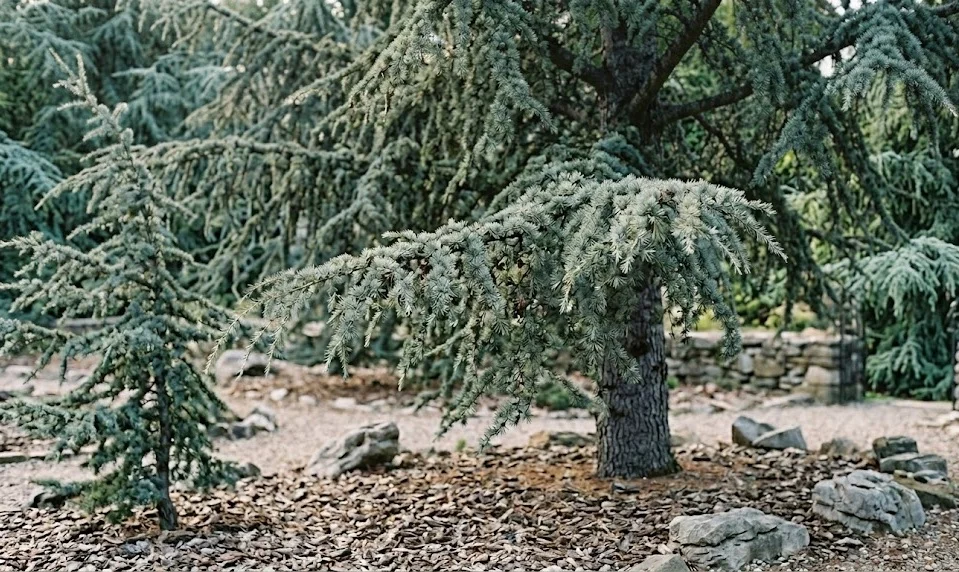
The visual appeal of the Himalayan cedar lies in its graceful, pendulous branches and striking evergreen foliage. You can enhance this natural beauty by ensuring the tree has enough space to display its unique form properly. Avoid planting smaller shrubs too close to the base, as this can detract from the clean lines of the trunk. A well-placed tree can serve as a stunning focal point that defines the character of your entire landscape.
Lighting can be used to highlight the architectural features of the tree during the evening hours. You should use soft, upward-facing lights to accentuate the texture of the bark and the layering of the branches. Be careful not to place lights too close to the trunk, as the heat could potentially damage the sensitive living tissue. Well-designed night lighting allows you to enjoy the presence of the tree even after the sun has set.
Maintaining a clean area around the base of the tree contributes to a polished and professional look. You should regularly remove any large fallen branches or excessive debris that might look untidy to the observer. However, leaving a thin layer of needles can look very natural and provides the beneficial mulching effect mentioned previously. Striking a balance between neatness and natural processes will result in the most attractive garden setting.
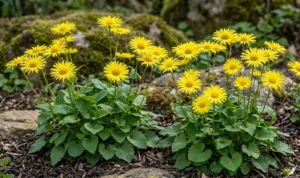
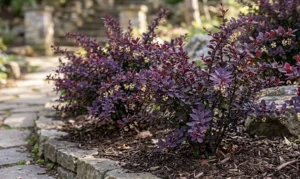
The surrounding landscape should be designed to complement the color and texture of the cedar’s foliage. You might choose plants with contrasting colors, such as purple-leaved shrubs or bright flowering perennials, to make the silver-blue stand out. Consider the seasonal changes of nearby plants to ensure the garden looks interesting all year round. By thinking about the big picture, you ensure that your Himalayan cedar remains the star of the garden.