
Preparing these towering perennials for the cold winter months is a straightforward process that ensures their survival and vigor for the coming year. While they are naturally hardy in most temperate climates, taking a few proactive steps can protect the crown and root system from extreme fluctuations in temperature. The goal is to provide a stable environment that allows the plant to rest and gather strength during its dormant phase. With a little bit of foresight and the right materials, you can rest easy knowing your plants are safe until the spring thaw arrives.
Late autumn preparation
As the days grow shorter and the first frosts begin to touch the garden, the vibrant foliage of these plants will naturally start to fade and change color. This shift in appearance is a clear signal that the plant is moving its energy and nutrients down into the roots for winter storage. You should wait until the leaves have completely turned brown and brittle before you consider any major cleanup tasks. Leaving the foliage intact for a while provides a natural layer of protection for the crown and can even offer a bit of visual interest in the late-autumn landscape.
Once the foliage has completely died back, it is time to cut the stems down to just a few inches above the soil line. You should use sharp, clean bypass pruners to make clean cuts, which prevents the stems from splitting or tearing. Removing this old material is important because it can harbor pests and disease spores that might survive the winter and cause problems in the spring. Dispose of the trimmings in your compost pile if they are healthy, or in the trash if you suspect any fungal issues.
Before the ground freezes hard, you should give the area one final, deep watering to ensure the root zone is well-hydrated. Dry soil freezes more deeply and more quickly than moist soil, which can lead to root damage during an exceptionally cold winter. This hydration also helps the plant maintain its internal cellular structure as it enters the deep sleep of dormancy. It is a simple task that makes a significant difference in the survival rate of newly planted or less established specimens.
Cleaning up the surrounding garden bed is also a helpful part of the overwintering process for these shade-loving plants. You should remove any weeds or debris that have accumulated around the base of the plant to prevent them from competing for space or moisture. This creates a tidy environment that makes it much easier to apply the protective mulch that will be needed later. A clean garden bed also reduces the number of hiding spots for rodents that might be tempted to nibble on the dormant crowns during the winter.
More articles on this topic
Insulation and mulching
Mulching is the single most effective way to protect your perennials from the stresses of winter, particularly the freeze-thaw cycles that can heave plants out of the ground. You should apply a layer of organic mulch that is at least three to four inches thick over the entire root zone and the dormant crown. Good choices for mulch include shredded bark, well-rotted leaves, or even clean straw if you prefer a more rustic look. This insulating blanket keeps the soil temperature more consistent and prevents the roots from being exposed to the drying winter air.
The timing of mulch application is important; you should wait until the ground has actually started to freeze before putting it down. If you apply the mulch too early, you may inadvertently trap heat in the soil and encourage the plant to stay active longer than it should. You also run the risk of providing a cozy winter home for voles and other small animals that can damage the plant’s crown. Waiting for a hard frost ensures that the plant is fully dormant and ready for its winter protection to be put in place.
When applying the mulch, be sure to spread it evenly and extend it out several inches beyond the drip line of the plant’s summer foliage. This ensures that the entire root system, which can be quite extensive in mature plants, is well-covered and protected. You should keep the mulch relatively loose to allow for some air exchange while still providing the necessary insulation. A well-mulched plant is much more likely to emerge in the spring with its full vigor and health intact.
In areas with particularly harsh winters or very little snow cover, you might consider adding an extra layer of protection using evergreen boughs or a frost blanket. These additional covers provide a windbreak and trap a layer of air that acts as further insulation against the biting cold. They are easy to place over the mulched area and can be weighed down with rocks or bricks to keep them from blowing away. This extra effort is especially valuable for prized varieties or for those planted in more exposed locations in the garden.
More articles on this topic
Root zone protection
The root system of these perennials is their most vital organ during the winter months, acting as the reservoir for all the energy needed for spring growth. Protecting this zone involves more than just insulation; it requires maintaining the structural integrity of the soil and the moisture levels within it. You should avoid any heavy foot traffic or equipment movement over the dormant plants, as compacted soil can damage the roots and restrict oxygen. Marking the location of your plants with a small stake or a stone can help you avoid accidentally stepping on them when they are invisible under the snow.
Frost heaving is a common problem in heavy clay soils where the ground expands and contracts as it freezes and thaws. This movement can push the plant’s crown up and out of the ground, exposing the delicate roots to the elements. If you notice a plant has been heaved, you should gently push it back into the soil as soon as the ground thaws and add more mulch to the area. Consistent mulching is the best preventive measure for this issue, as it moderates the soil temperature and reduces the intensity of the freezing and thawing cycles.
Maintaining a healthy soil ecosystem through the winter is also beneficial for the long-term success of your garden. Beneficial fungi and bacteria remain active in the soil at lower temperatures and continue to break down organic matter into usable nutrients. By providing a thick layer of organic mulch, you are feeding these microorganisms and ensuring that the soil remains fertile and well-structured. This underground activity is the invisible foundation upon which the spectacular summer display is built every year.
If you are growing these plants in containers, the overwintering process requires a bit more attention because the roots are more exposed to the cold. You should move the pots to a sheltered location, such as an unheated garage or a protected corner of the patio, once the foliage has died back. Wrapping the pots in burlap or bubble wrap can provide extra insulation for the root system during extreme cold snaps. Check the moisture level of the soil occasionally and provide a small amount of water if it becomes bone-dry, as the roots still need a tiny bit of hydration to survive.
Early spring recovery
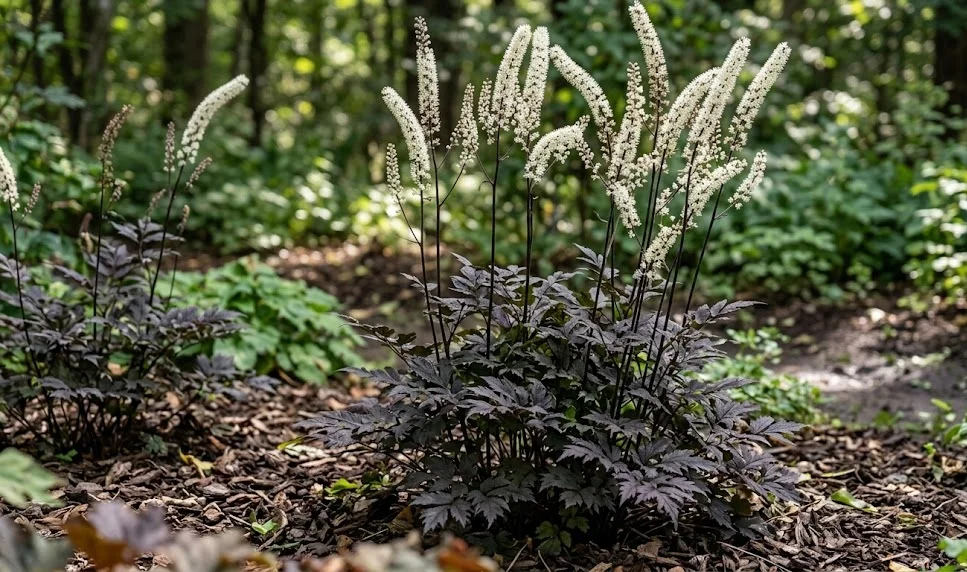
As the days begin to lengthen and the first signs of spring appear, you will need to keep a close eye on your overwintered perennials. You should resist the urge to remove the protective mulch too early, as late-season frosts can still damage the tender new growth. Gradually thinning the mulch as the weather warms up allows the soil to slowly absorb more heat and encourages the plant to wake up at a natural pace. Watching for the first purple-tinged shoots to break through the ground is one of the most rewarding moments for any gardener.
If you used evergreen boughs or other temporary covers, remove them as soon as the danger of extreme cold has passed. This allows for better air circulation and prevents moisture from building up around the crown, which could lead to early-season rot. You can then gently rake away any excess mulch that might be obstructing the new growth, leaving a thin layer to help suppress early weeds. This transition period is a great time to evaluate the health of the plant and plan your maintenance routine for the coming year.
Once the new shoots are a few inches tall, you can provide a light application of a balanced organic fertilizer to support the rapid growth phase. This initial feeding helps the plant replace the energy reserves it used during the winter and provides the building blocks for its massive foliage. You should also ensure that the plant is receiving adequate water, especially if the spring is unusually dry or windy. A strong start in the spring is the best guarantee of a spectacular floral display in the late summer and autumn.
Take a moment to inspect the crown for any signs of winter damage or pest activity that may have occurred while you weren’t looking. If you see any soft or rotten areas, carefully remove them with a clean knife and keep the area relatively dry to allow it to heal. Most established plants will recover quickly from minor setbacks and will soon be well on their way to another season of beauty. Your careful attention to the overwintering process has ensured that these magnificent plants remain a cornerstone of your garden for many years to come.